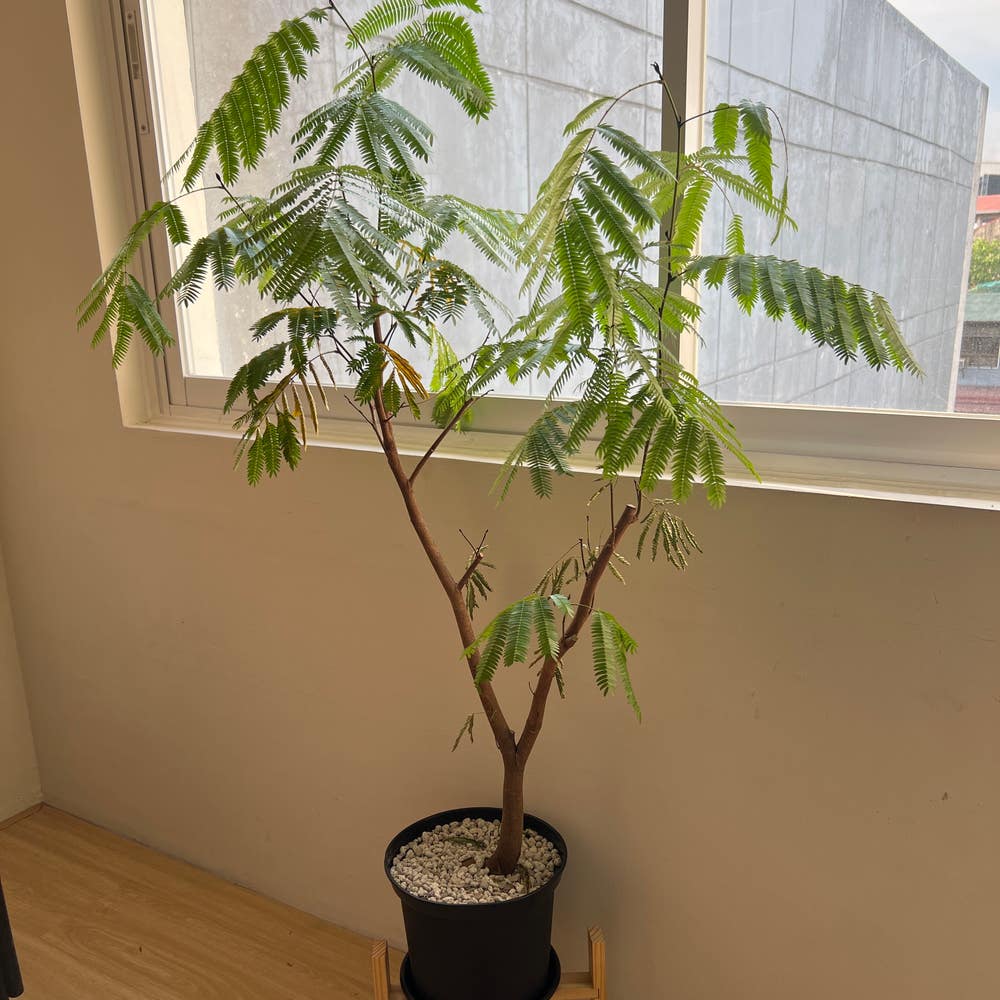
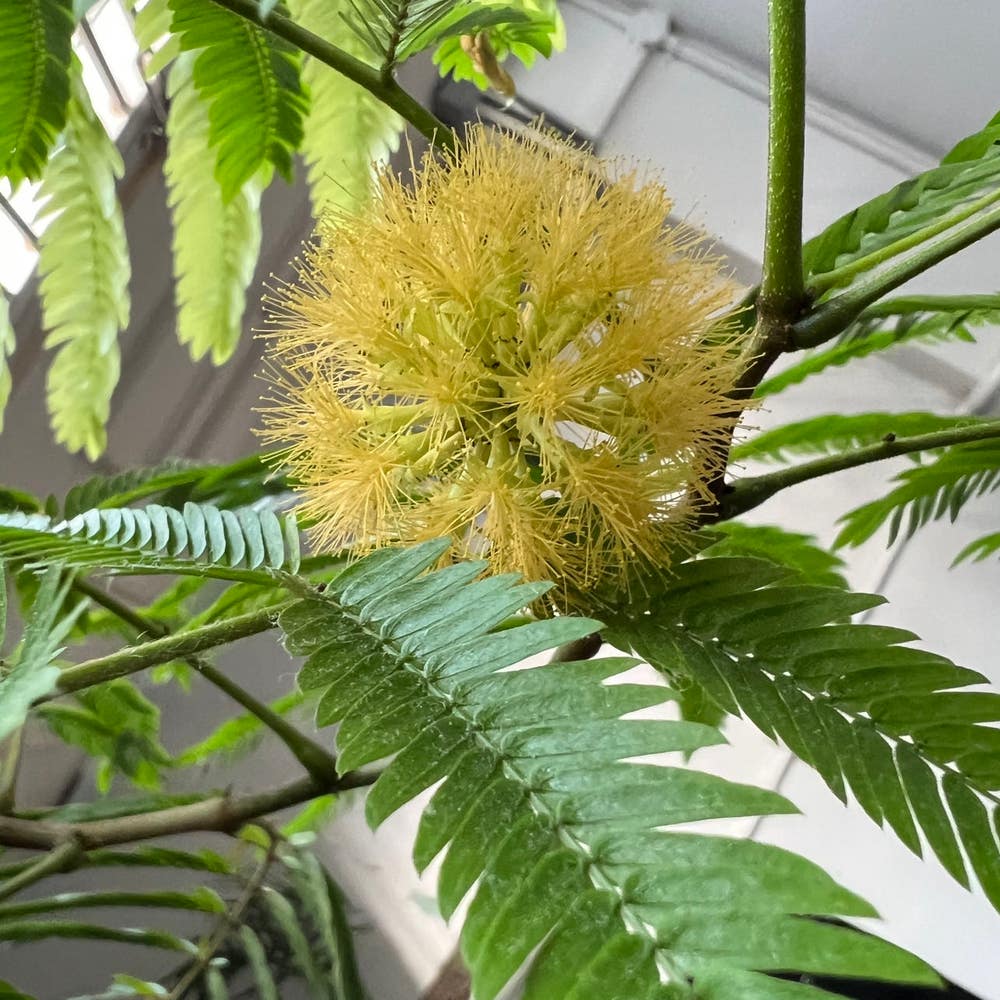
🌞 10 Secrets to Thriving Outdoor Acle
Albizia acle
By the Greg Editorial Team
Nov 08, 2024•8 min read
This article was created with the help of AI so we can cover more plants for you. May contain errors. See one? Report it here.
Transform your outdoor Acle into a thriving garden centerpiece with essential sunlight, watering, and soil tips! 🌞🌱
- ☀️ Outdoor Acle needs 6-8 hours of sunlight for optimal growth and health.
- 💧 Water deeply once a week to prevent wilting and root rot issues.
- 🌱 Use well-draining soil and organic mulch to enhance moisture retention and plant health.
Sunlight Needs
Ideal Sunlight Exposure 🌞
For thriving outdoor Acle, aim for 6-8 hours of direct sunlight daily. While they can tolerate partial shade, prolonged exposure to dappled sunlight may hinder their growth.
Signs of Insufficient Light 🚨
Watch for stunted growth, characterized by smaller leaves and a leggy appearance. Additionally, leaf discoloration, such as yellowing or pale leaves, can indicate that your Acle is stressed from lack of light.
Adjusting Light Conditions 🔧
To optimize growth, position your plants in areas that receive ample sunlight. You can also use reflective surfaces to enhance light availability in shaded spots, giving your Acle the boost it needs.
Understanding sunlight needs is crucial for your Acle's health. Next, we’ll explore their watering requirements to ensure they thrive in your outdoor space.
Watering Requirements
💧 Watering Frequency
To keep your outdoor Acle thriving, aim to water deeply once a week. Adjust this schedule based on rainfall; if it rains, you might not need to water at all.
Before watering, always check the soil moisture. Ensure the top 1-2 inches of soil are dry to avoid overwatering.
🚨 Signs of Overwatering and Underwatering
Recognizing the signs of overwatering is crucial. Look for yellowing leaves and symptoms of root rot, which indicate too much water.
On the flip side, underwatering shows up as wilting and crispy leaf edges. Both conditions can stress your plants, so stay vigilant.
🌊 Watering Techniques
- Deep watering: Make sure water penetrates at least 12 inches into the soil. This encourages deep root growth and resilience.
- Drip irrigation: Consider installing a drip system for consistent moisture. It’s efficient and helps prevent overwatering.
- Mulching: Apply a layer of mulch around your plants. This helps retain soil moisture and regulates temperature.
By mastering these watering techniques, you’ll set your Acle up for success. Next, let’s explore the soil preferences that will further enhance its growth.
Soil Preferences
Ideal Soil Composition 🌱
For thriving outdoor Acle, well-draining soil is essential. Sandy loam or loamy soil is preferred, providing the right balance of drainage and moisture retention.
Soil pH also plays a crucial role in plant health. Aim for a slightly acidic to neutral pH, ideally between 6.0 and 7.0, to ensure optimal nutrient availability.
Soil Amendments 🧑🌾
To enhance soil quality, incorporating organic matter is key. Adding compost not only boosts fertility but also improves drainage, creating a healthier environment for roots.
If your soil is heavy, consider mixing in perlite or sand. These amendments will help enhance drainage, preventing waterlogging and promoting robust growth.
Soil Testing 🔬
Regular soil testing is vital for understanding your soil's health. It helps assess pH and nutrient levels, ensuring your Acle receives the best possible care.
For best results, test your soil every 2-3 years. This practice allows you to make informed adjustments, keeping your plants thriving through changing conditions.
With a solid understanding of soil preferences, you can create an optimal environment for your Acle. Next, let's explore the various planting options available to maximize growth and health.
Planting Options
🌱 Container Planting
Benefits
Container planting offers remarkable mobility. You can easily relocate your plants based on sunlight and weather conditions, ensuring they thrive.
Another advantage is soil control. With containers, you can customize the soil mix to meet the specific needs of your plants, optimizing their growth potential.
Drawbacks
However, container planting has its downsides. The limited root space can restrict growth and development, making it crucial to choose the right size container.
Additionally, containers tend to dry out faster than ground soil, leading to an increased watering frequency. This means you’ll need to be more attentive to your plants’ moisture needs.
🌍 Ground Planting
Benefits
Ground planting allows for enhanced root growth. With more space for roots to expand, your plants can establish a stronger foundation.
Moreover, ground soil naturally retains moisture better, providing natural moisture retention. This can be a significant advantage during hot, dry spells.
Drawbacks
On the flip side, ground planting offers less control over soil conditions. You may need to amend the soil to ensure it meets your plants' needs.
Additionally, ground plants can be more vulnerable to pests. This vulnerability to pests means you'll need to be proactive in monitoring and managing potential infestations.
In summary, both container and ground planting have unique benefits and challenges. Choosing the right option depends on your gardening goals and the specific needs of your plants. Next, let’s explore effective protection strategies to keep your outdoor Acle thriving.
Protection Strategies
🌧️ Weather Protection Techniques
Protecting your outdoor Acle from the elements is crucial for its health. Start by applying organic mulch around the base of your plants; this helps insulate roots and retain moisture.
Additionally, consider using windbreaks. Barriers like fences or strategically placed shrubs can shield your Acle from strong winds, reducing stress on the plants.
🐛 Common Outdoor Pests
Outdoor pests can pose a significant threat to your Acle. Being proactive in identifying and managing these pests will help ensure your plants thrive.
Aphids
Aphids are notorious for their rapid reproduction and can wreak havoc on your plants. Look for signs of infestation, such as curling leaves and a sticky residue on the surface.
To control aphids, neem oil or insecticidal soap can be effective. These treatments disrupt their life cycle and help protect your Acle from further damage.
Slugs and Snails
Slugs and snails can also be problematic, leaving behind holes in leaves and slimy trails. Regularly inspect your plants for these signs of damage.
To manage slugs and snails, handpicking is a simple yet effective method. You can also set traps or use diatomaceous earth to deter them from your garden.
🦠 Diseases
Keeping an eye out for diseases is just as important as pest management. Early detection can save your Acle from severe damage.
Root Rot
Root rot is a common issue that can lead to wilting, yellowing leaves, and mushy roots. To prevent this, ensure your soil is well-draining and avoid overwatering.
Powdery Mildew
Another disease to watch for is powdery mildew, which appears as white powdery spots on leaves. Improving air circulation around your plants can help, and fungicides may be necessary if the problem persists.
By implementing these protection strategies, you can create a healthier environment for your Acle, allowing it to flourish despite the challenges of outdoor gardening. Next, let’s explore the seasonal care needed to keep your plants thriving throughout the year.
Seasonal Care
🌱 Seasonal Changes and Their Impact
Understanding the growth patterns of Acle is crucial for successful gardening. Each season brings unique challenges and opportunities that can significantly affect plant health and productivity.
❄️ Winter Care
During winter, protecting your Acle is essential. Covering plants with frost cloth or a layer of mulch helps insulate roots against freezing temperatures.
Watering needs also change; reduce frequency as the plants enter dormancy. This helps prevent root rot and other moisture-related issues.
🌸 Spring Growth Tips
As spring arrives, Acle begins to awaken from its winter slumber. This is the perfect time to apply a balanced fertilizer to support new growth.
Pruning is also beneficial; remove any dead or damaged growth to encourage fresh shoots. This simple act can lead to a more vibrant and healthy plant.
☀️ Summer Maintenance
Summer demands consistent care to keep Acle thriving. Regular watering is crucial during hot months to maintain soil moisture.
Increased vigilance for pests is necessary as well. Monitor your plants closely, as summer often brings a surge in pest activity.
🍂 Fall Preparation
As fall approaches, it's time to prepare Acle for dormancy. Begin reducing watering and stop fertilizing to help the plants transition smoothly.
Applying mulch in the fall is a smart move. It protects roots from frost and helps retain moisture during the colder months.
With these seasonal care tips, you can ensure your Acle not only survives but thrives throughout the year. Next, we’ll explore climate considerations to further enhance your gardening success.
Climate Considerations
🌍 Care in Different Climate Zones
Understanding USDA hardiness zones is crucial for successful Acle growth. These zones indicate the minimum temperatures a plant can withstand, helping you identify suitable climates for your outdoor Acle.
Adjusting care practices based on your local climate is essential. Tailor your watering and fertilization routines to match seasonal changes and temperature fluctuations in your area.
🔄 Adapting Care Practices
Monitoring local weather patterns can significantly impact your Acle's health. Stay alert to changes in temperature and precipitation to adjust your care routines accordingly.
Seasonal adjustments are vital for preparing your plants for extreme weather conditions. Whether it’s protecting them from frost in winter or ensuring adequate moisture during summer heat, being proactive can make all the difference in thriving outdoor Acle.
⚠️ Safety First
This content is for general information and may contain errors, omissions, or outdated details. It is not medical, veterinary advice, or an endorsement of therapeutic claims.
Always consult a qualified healthcare professional before using any plant as food, medicine, or supplement.
Never eat any plant (or feed one to pets) without confirming its identity with at least two trusted sources.
If you suspect poisoning, call Poison Control (800) 222-1222, the Pet Poison Helpline (800) 213-6680, or your local emergency service immediately.
Spotted an error? Please report it here.
Unlock your outdoor Acle's full potential 🌞 with Greg's tailored care reminders and expert tips, ensuring they bask in sunlight and receive just the right amount of water for thriving growth!