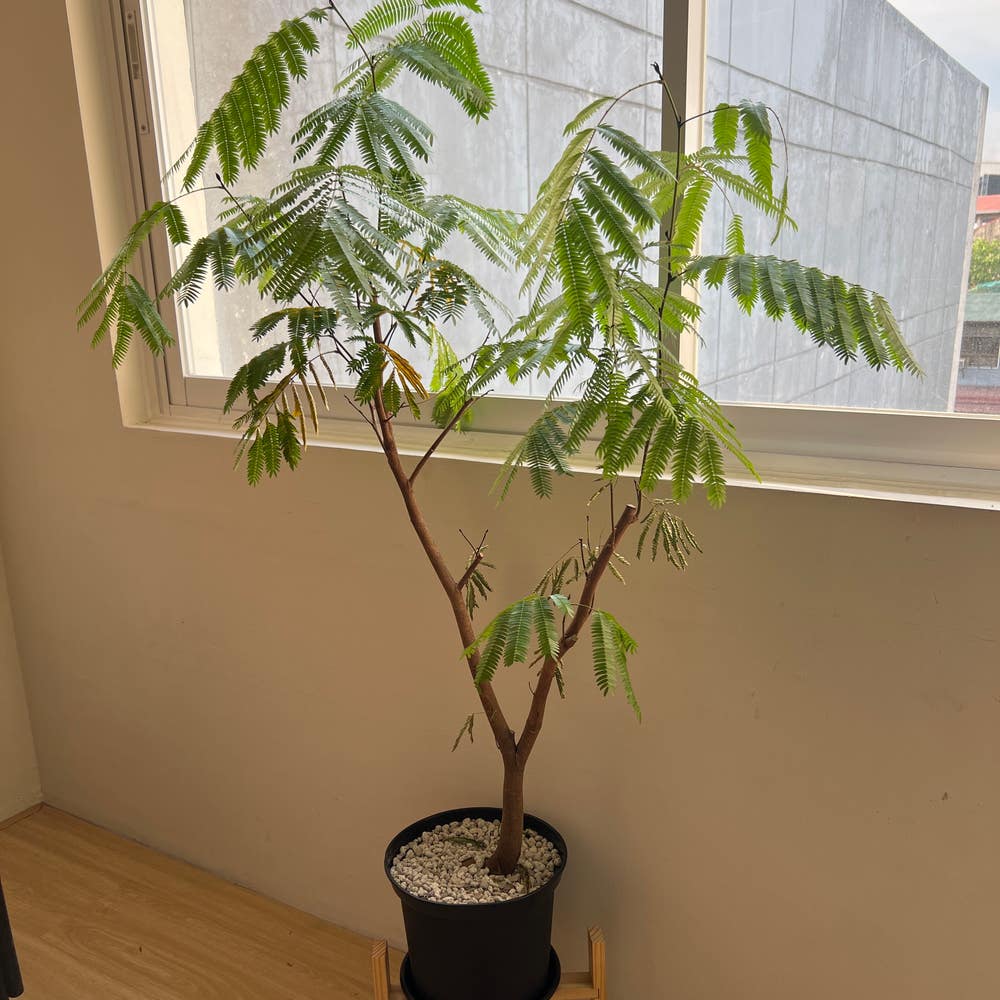
🌡 Best Temperature Conditions for Acle
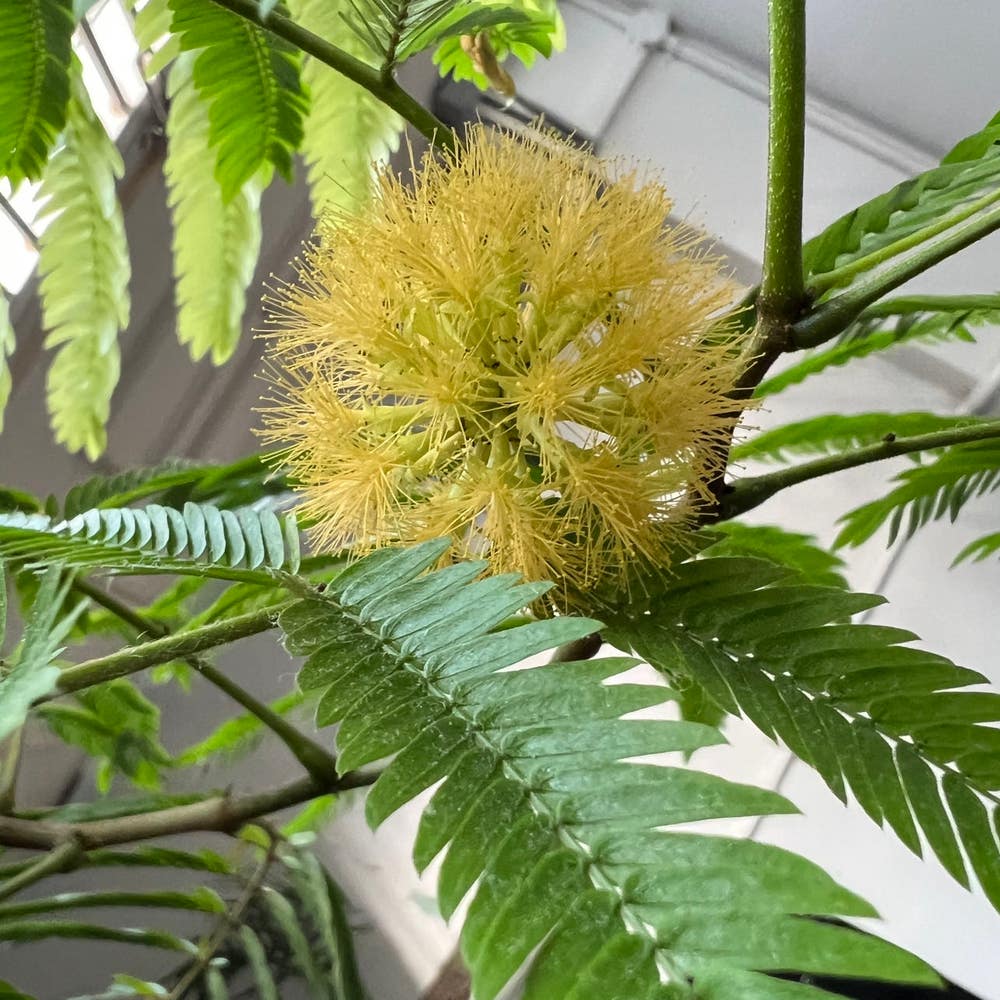
Albizia acle
By the Greg Editorial Team
Nov 08, 2024•2 min read
This article was created with the help of AI so we can cover more plants for you. May contain errors. See one? Report it here.
Ensure your Acle thrives 🌱 by keeping it in its ideal temperature zone for vibrant growth!
- 🌡️ Acle thrives between 65°F and 85°F; extremes hinder growth.
- 🌿 Cold stress shows as yellowing leaves, while heat stress causes browning edges.
- 🏡 Gradual temperature changes help Acle acclimate and thrive in new environments.
Temperature Requirements for Acle
Ideal Temperature Range 🌡️
To thrive, Acle plants prefer a cozy temperature range of 65°F to 85°F (18°C to 29°C). Staying within this optimal zone is crucial for their growth, as temperatures below 50°F (10°C) or above 90°F (32°C) can hinder their development.
Maintaining these temperature thresholds is essential for healthy growth. When Acle is kept in its ideal range, it flourishes, showcasing vibrant foliage and robust health.
Signs and Causes of Temperature Stress ❄️🔥
Temperature stress can manifest in various ways. Cold stress often leads to yellowing leaves and slowed growth, signaling that your Acle is feeling chilly.
On the flip side, heat stress presents itself through browning leaf edges and drooping foliage. Both conditions can arise from sudden temperature fluctuations or prolonged exposure to unsuitable temperatures.
Recovery Strategies for Temperature-Stressed Acle 🚑
If you notice signs of stress, immediate action is key. Relocating your Acle to a more suitable temperature environment can help it bounce back quickly.
For long-term health, consider gradual exposure to temperature changes. This acclimatization process helps your plant adapt without the shock of sudden shifts.
Geographic and Environmental Factors 🌍
Different climates can significantly impact Acle's growth. Understanding how your local environment affects temperature is vital for successful cultivation.
If you're growing Acle in a non-native environment, be mindful of the unique challenges it may face. Adjusting your care practices can make all the difference.
Temperature Adaptation Strategies 🛠️
Acle plants have physiological adaptations that help them cope with temperature stress. Implementing best practices, such as using greenhouses or temperature-controlled environments, can further shield them from extremes.
Regular monitoring and adjusting care practices are crucial for maintaining optimal conditions. This proactive approach ensures your Acle remains healthy and vibrant, no matter the external challenges.
With these strategies in mind, you can create an ideal environment for your Acle, setting the stage for its thriving growth.
⚠️ Safety First
This content is for general information and may contain errors, omissions, or outdated details. It is not medical, veterinary advice, or an endorsement of therapeutic claims.
Always consult a qualified healthcare professional before using any plant as food, medicine, or supplement.
Never eat any plant (or feed one to pets) without confirming its identity with at least two trusted sources.
If you suspect poisoning, call Poison Control (800) 222-1222, the Pet Poison Helpline (800) 213-6680, or your local emergency service immediately.
Spotted an error? Please report it here.
Keep your Acle's foliage vibrant and healthy 🌿 by using Greg's tailored reminders to maintain the perfect temperature range for thriving growth!