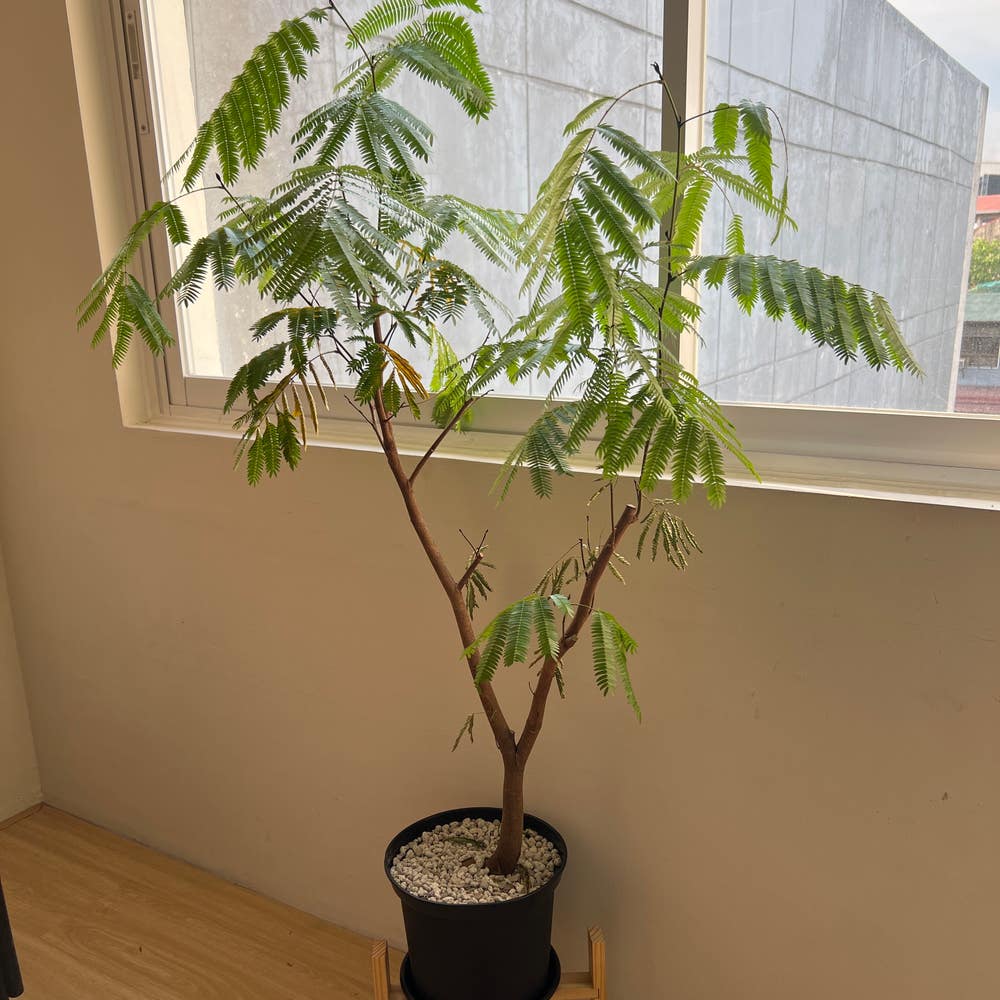
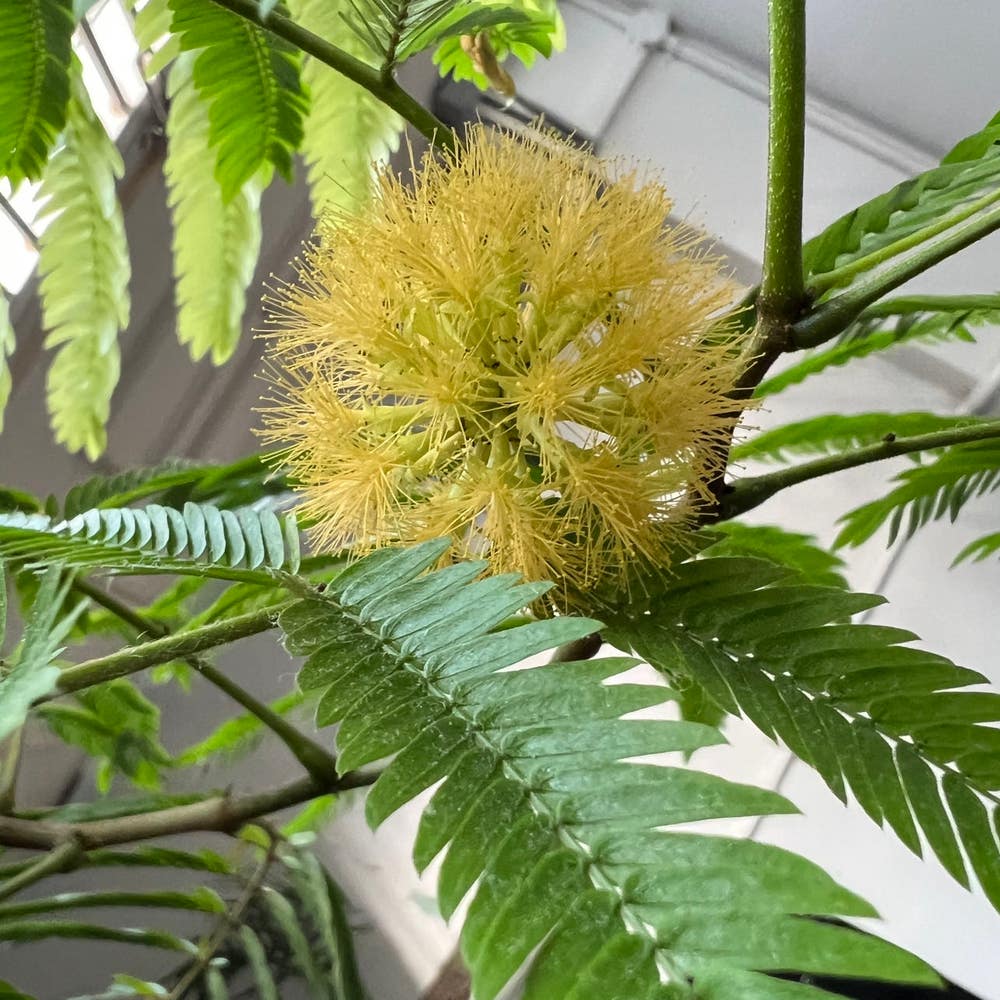
📏 5 Facts About Acle Height and Width
Albizia acle
By the Greg Editorial Team
Nov 08, 2024•6 min read
This article was created with the help of AI so we can cover more plants for you. May contain errors. See one? Report it here.
Transform your garden with Acle plants by mastering their ideal height and width! 🌳✨
- 🌱 Acle plants grow 3 to 6 feet tall, with dwarf varieties at 1 to 2 feet.
- ☀️ Full sun and nutrient-rich soil maximize Acle's growth and health.
- ✂️ Pruning and care are essential for controlling Acle's size and shape.
Mature Height and Width
🌱 Height
Acle typically reaches a height range of 3 to 6 feet. This variability largely depends on two main factors: the selection of variety and the growing conditions.
Variety Selection
Choosing between dwarf and giant varieties can significantly influence the height of your Acle. Dwarf varieties will naturally stay on the shorter side, while giant varieties can soar above 6 feet.
Growing Conditions
The conditions in which Acle is grown also play a crucial role. Factors like soil quality, moisture levels, and light exposure can either promote or hinder growth, affecting overall height.
📏 Width
When it comes to width, Acle generally spans 2 to 4 feet. However, this spread can vary based on several factors.
Spread Variability
Pruning and maintenance practices greatly influence how wide Acle can grow. Regular trimming can encourage a more compact shape, while the presence of surrounding plants can lead to competition for resources, impacting its overall spread.
Understanding these dimensions is essential for planning your garden layout effectively. With the right variety and care, you can achieve the desired height and width for your Acle, enhancing your landscape beautifully.
Next, we’ll explore the growth rate of Acle, including how quickly it can reach its mature size and the factors that influence this process.
Growth Rate
🌱 Rate Classification
Acle plants typically exhibit a growth rate classified as moderate to fast. This means you can expect noticeable growth in a relatively short period, making them a popular choice for gardeners looking for quick results.
Several factors influence this growth rate. Nutrient-rich soils significantly promote faster growth, while sunlight exposure plays a crucial role as well. Full sun conditions can accelerate growth, whereas partial shade may slow it down.
⏳ Time to Reach Full Size
On average, Acle plants take about 3 to 5 years to reach their mature dimensions. This timeframe can vary based on several factors, including environmental conditions and care practices.
Optimal growth environments, such as those with ideal soil and light conditions, can lead to quicker maturation. Additionally, regular fertilization and consistent watering can further accelerate growth, ensuring your Acle thrives beautifully in your garden.
As you consider the growth rate of Acle, remember that the right conditions and care can make all the difference in achieving a lush, full plant. Next, let’s explore how various environmental factors can influence the size of your Acle.
Size Variability Based on Conditions
🌍 Environmental Factors
The size of Acle plants can vary significantly based on environmental conditions. Understanding these factors is crucial for achieving the desired height and width.
🌱 Soil Type and Its Impact on Growth
Soil quality plays a pivotal role in plant growth. Well-draining, nutrient-rich soils promote robust growth, while poor-quality soils can stunt development.
- Nutrient Availability: Nutrient-rich soils provide essential elements for healthy growth.
- pH Levels: The soil's pH affects nutrient availability, with most plants thriving in a slightly acidic to neutral range.
💡 Light Requirements and Size Correlation
Light exposure is another critical factor influencing Acle size.
- Full Sun: Plants receiving 6-8 hours of sunlight daily tend to grow taller and wider.
- Partial Shade: Limited sunlight can lead to reduced growth, impacting both height and spread.
🚰 Watering Practices and Their Effect on Dimensions
Watering consistency is vital for Acle plants.
- Consistent Moisture: Regular watering supports healthy growth and size.
- Drought Conditions: Insufficient water can lead to stunted growth, while overwatering risks root health and can cause rot.
🌡️ Climate Influence on Size
Climate conditions also affect Acle size.
- Temperature Ranges: Ideal temperatures promote optimal growth patterns, while extreme temperatures can hinder development.
- Seasonal Changes: Seasonal variations can impact growth rates, leading to fluctuations in size throughout the year.
By considering these environmental factors, you can better manage the growth of Acle plants, ensuring they reach their full potential. Next, we’ll explore the different varieties of Acle and how their characteristics influence size.
Varieties
Dwarf Varieties 🌱
Dwarf varieties of Acle typically reach a height of just 1 to 2 feet. These compact plants are perfect for small gardens or container planting, allowing you to maximize space without sacrificing beauty.
Giant Varieties 🌳
On the other end of the spectrum, giant varieties can exceed 6 feet in height. These towering plants create dramatic focal points in landscapes, making them ideal for those looking to make a bold statement in their outdoor spaces.
Size Comparison 📏
When comparing dwarf and giant varieties, the differences in height and width become clear. Dwarf varieties are suited for intimate settings, while giant varieties thrive in larger landscapes, each with unique growth habits and care requirements.
Understanding these distinctions helps gardeners choose the right Acle variety for their specific needs, ensuring a thriving garden that reflects their personal style.
As we explore the next section, we'll delve into size control techniques to help you manage your Acle plants effectively.
Size Control Techniques
✂️ Pruning Methods
Effective pruning is essential for maintaining the desired size and shape of Acle plants. One technique is pinching back the tips, which encourages bushier growth and a fuller appearance.
Additionally, removing dead or overcrowded branches helps maintain the plant's shape and promotes healthy growth. This practice not only enhances aesthetics but also improves air circulation, reducing the risk of disease.
⏰ Timing for Effective Pruning
Timing is crucial when it comes to pruning Acle. The best time to prune is early spring, just before new growth begins, allowing the plant to thrive as it enters its active growing season.
Late summer is another ideal time for shaping and size control. Pruning during this period helps manage growth before the plant enters dormancy, ensuring a well-structured appearance.
📏 Other Control Methods
In addition to pruning, other methods can help control the size of Acle. The use of growth regulators offers chemical options for size management, allowing for more precise control over plant dimensions.
Planting strategies also play a significant role. Proper spacing and companion planting can influence growth patterns, ensuring that Acle has enough room to thrive without becoming overgrown.
These techniques collectively empower gardeners to maintain Acle plants at their desired size while promoting overall health and vitality. With the right approach, you can create a stunning landscape that showcases the beauty of Acle without overwhelming your space.
As we explore the next section, let's dive into the fascinating world of Acle varieties and their unique characteristics.
⚠️ Safety First
This content is for general information and may contain errors, omissions, or outdated details. It is not medical, veterinary advice, or an endorsement of therapeutic claims.
Always consult a qualified healthcare professional before using any plant as food, medicine, or supplement.
Never eat any plant (or feed one to pets) without confirming its identity with at least two trusted sources.
If you suspect poisoning, call Poison Control (800) 222-1222, the Pet Poison Helpline (800) 213-6680, or your local emergency service immediately.
Spotted an error? Please report it here.
Unlock the full potential of your Acle plants 🌿 with Greg's tailored care tips and watering reminders, ensuring they thrive in your garden for years to come!