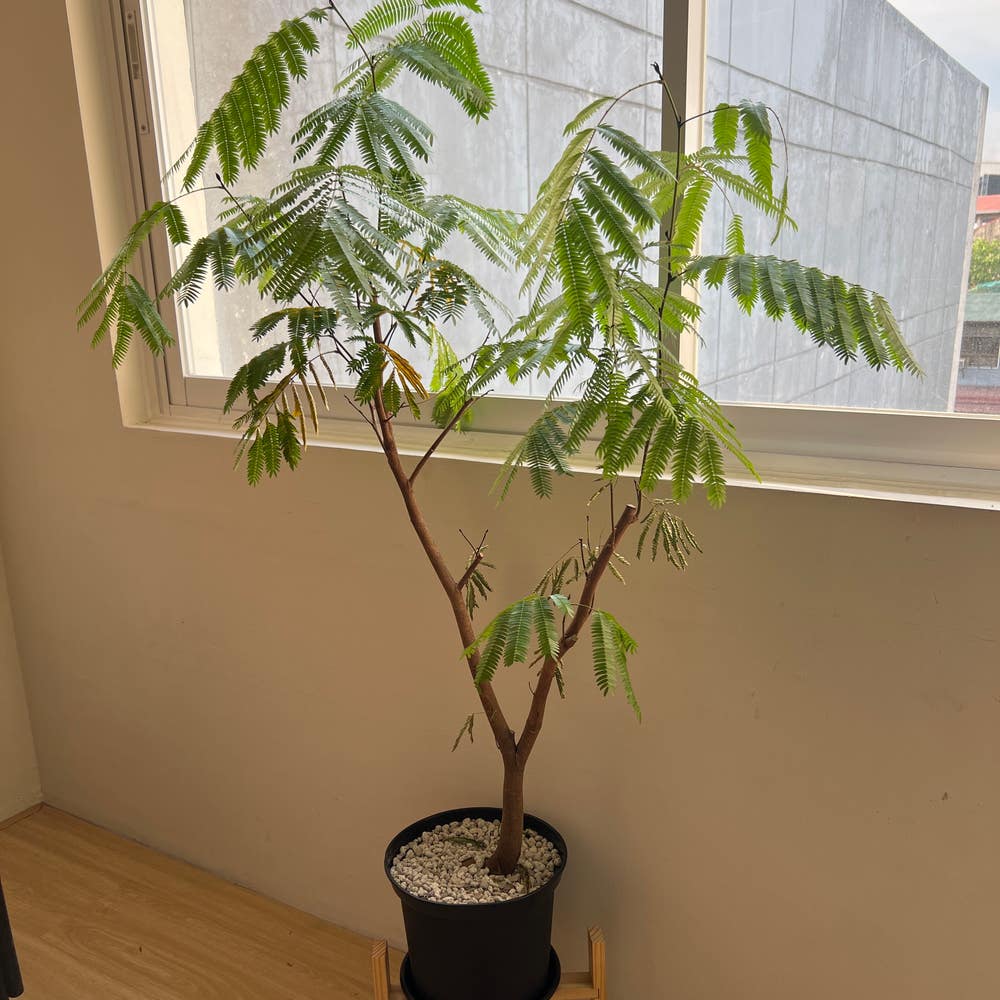
5 Tips for Healing Leaves Falling Over on Your Acle
Albizia acle
By the Greg Editorial Team
Nov 08, 2024•5 min read
This article was created with the help of AI so we can cover more plants for you. May contain errors. See one? Report it here.
Transform your drooping Acle into a thriving beauty 🌿 with these essential care tips and insights!
- 🌱 Leaf droop in Acle often signals environmental stress needing immediate attention.
- 💧 Overwatering vs. underwatering: Check for soggy soil or dry, crispy edges.
- 🌡️ Humidity and temperature are crucial for Acle health; monitor them closely.
Causes of Leaf Droop
🌪️ Environmental Stress Factors
Leaf droop can often be traced back to environmental stressors. Understanding these factors is crucial for maintaining the health of your Acle.
🌡️ Temperature Fluctuations and Humidity Levels
Temperature swings can shock your plant, leading to drooping leaves. Aim for a stable environment with consistent temperatures and humidity levels to keep your Acle thriving.
💧 Overwatering vs. Underwatering: Signs of Each
Both overwatering and underwatering can cause leaf droop, but they manifest differently. Overwatered plants often have soggy soil and yellowing leaves, while underwatered plants may show dry, crispy edges.
🏞️ Soil Compaction and Drainage Issues
Soil compaction can restrict root growth and water drainage. Ensure your soil is loose and well-draining to prevent waterlogging, which can exacerbate drooping.
By recognizing these environmental stress factors, you can take proactive steps to support your Acle's health. Next, let’s explore how to identify the symptoms of leaf droop to better understand your plant’s needs.
Symptoms of Leaf Droop
🌿 Identifying Symptoms
Leaf droop can be a distressing sight for any plant lover. It often manifests as a noticeable sagging of the leaves, which can occur suddenly or develop over time.
Pay attention to the timing of the droop. If it happens during a hot spell or after a watering session, it may indicate environmental stress.
🎨 Color Changes
Color changes in the leaves are another critical symptom to watch for. Yellowing leaves can signal overwatering or nutrient deficiencies, while browning edges often indicate underwatering or excessive heat.
These color shifts are not just cosmetic; they reflect the plant's overall health and its ability to thrive.
💧 Wilting
Wilting is a clear sign that your plant is struggling. When leaves appear limp and lose their firmness, it suggests that the plant is not receiving enough water or is dealing with root issues.
Ignoring wilting can lead to more severe problems, so it's essential to act quickly to restore your plant's vitality.
Recognizing these symptoms early can make all the difference in your plant's recovery. Next, let’s explore how to manage pests and diseases that could be contributing to these issues.
Pest and Disease Management
🐜 Common Pests
Pests can wreak havoc on your Acle, causing leaves to droop and overall plant health to decline. Understanding how to identify these pests is crucial for effective management.
Spider Mites: Identification and Signs
Spider mites are tiny, often invisible to the naked eye, but their damage is unmistakable. Look for fine webbing on the undersides of leaves and tiny yellow or white speckles, which indicate feeding.
Aphids: Spotting and Impact on Leaves
Aphids are small, soft-bodied insects that cluster on new growth. They suck sap from the leaves, leading to curling, yellowing, and stunted growth.
Control Methods: Organic and Chemical Options
To combat these pests, consider both organic and chemical solutions. Neem oil and insecticidal soap are effective organic options, while chemical insecticides can provide a quick fix for severe infestations.
🦠 Identifying and Treating Diseases
Diseases can also contribute to leaf droop, often manifesting through visible symptoms. Recognizing these signs early can save your plant from further damage.
Common Diseases: Root Rot and Leaf Spot
Root rot occurs when the roots sit in waterlogged soil, leading to decay. Leaf spot, on the other hand, presents as dark, water-soaked spots on leaves, often caused by fungal infections.
Symptoms: Discoloration, Wilting, and Mold
Watch for discoloration, wilting, and mold growth as key indicators of disease. These symptoms suggest that your plant is struggling and needs immediate attention.
Treatment Options: Fungicides and Cultural Practices
For treatment, fungicides can be effective against fungal diseases. Additionally, adopting good cultural practices, like ensuring proper drainage and avoiding overcrowding, can help prevent future outbreaks.
By staying vigilant against pests and diseases, you can keep your Acle healthy and thriving. Next, let’s explore preventive measures and recovery tips to ensure your plant remains in top shape.
Preventive Measures and Recovery Tips
Best Practices 🌱
Regular monitoring is crucial for keeping your Acle healthy. Check for pests and environmental changes frequently to catch issues early.
Proper watering techniques can make a significant difference. Use the finger test: stick your finger into the soil to gauge moisture levels before watering.
Seasonal adjustments to care are also important. As the seasons change, so do your plant's needs, so stay attuned to its requirements.
Steps to Take When Leaves Start to Droop 🥺
Assess watering needs: Start by checking the soil moisture. If it's too dry or too wet, adjust your watering schedule accordingly.
Evaluate light conditions: Ensure your Acle is getting adequate light. If it's too dim, consider moving it to a brighter spot.
Inspect for pests: Look closely for any signs of infestation. If you spot pests, treat them immediately to prevent further damage.
Adjust humidity levels: If the air is too dry, increase humidity around your plant. This can be done with a humidifier or by placing a tray of water nearby.
Fertilize appropriately: If you suspect nutrient deficiencies, provide the right fertilizer. This will help your plant regain its strength and vitality.
By following these preventive measures and recovery tips, you can ensure your Acle thrives and remains vibrant. Next, let’s dive into pest and disease management to further safeguard your plant's health.
⚠️ Safety First
This content is for general information and may contain errors, omissions, or outdated details. It is not medical, veterinary advice, or an endorsement of therapeutic claims.
Always consult a qualified healthcare professional before using any plant as food, medicine, or supplement.
Never eat any plant (or feed one to pets) without confirming its identity with at least two trusted sources.
If you suspect poisoning, call Poison Control (800) 222-1222, the Pet Poison Helpline (800) 213-6680, or your local emergency service immediately.
Spotted an error? Please report it here.
Revive your drooping Acle leaves by identifying their needs and tackling stressors, and let Greg's custom watering reminders 🌿 guide you to a thriving, vibrant plant!