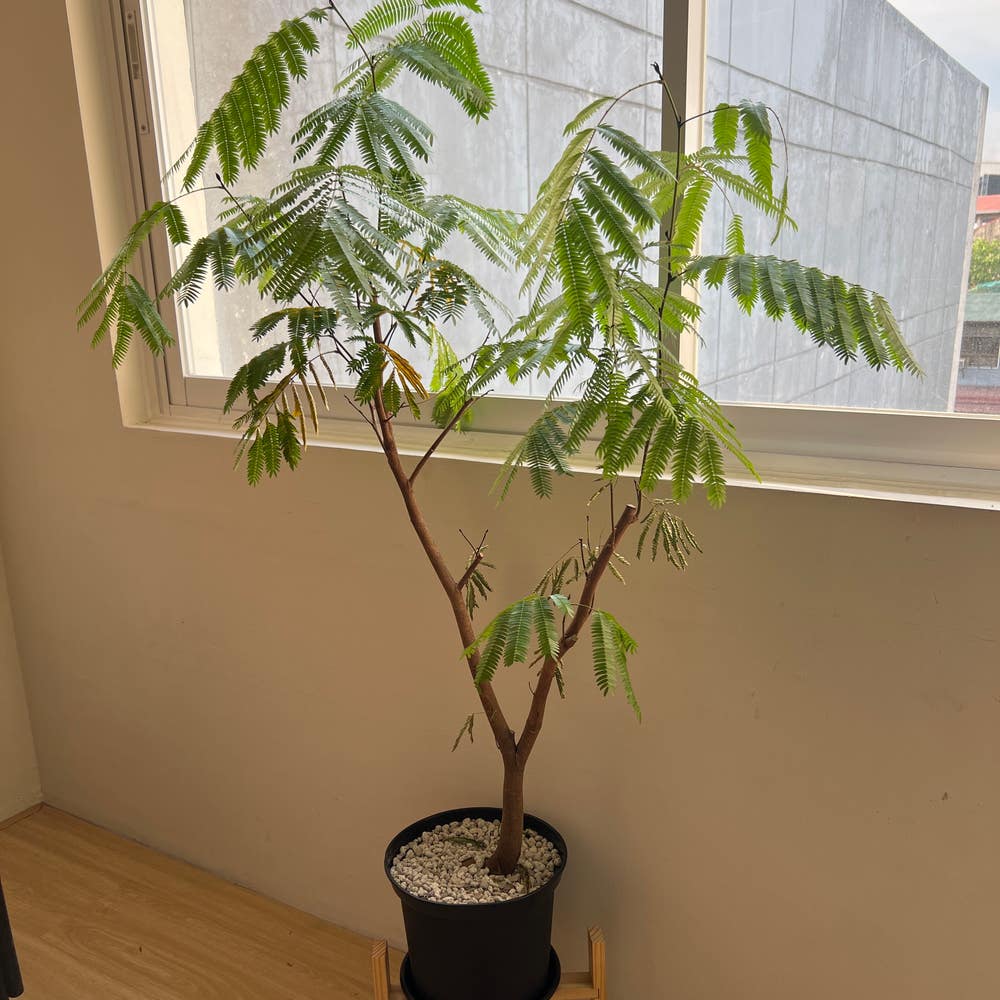
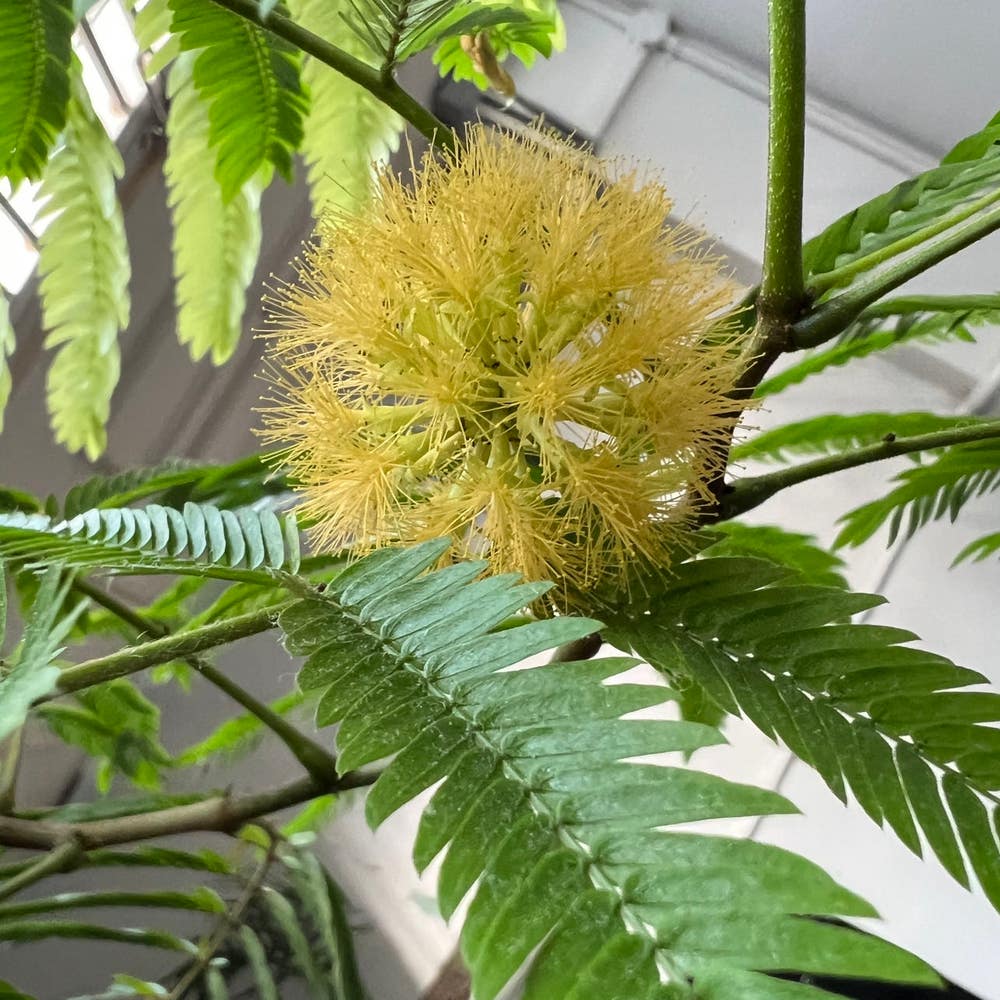
🪴 Step-by-Step Guide to Choosing Soil for Acle
Albizia acle
By the Greg Editorial Team
Nov 08, 2024•4 min read
This article was created with the help of AI so we can cover more plants for you. May contain errors. See one? Report it here.
Revitalize your Acle plants by uncovering the secrets to healthy soil! 🌿
- 🌱 Recognize unhealthy soil by checking for mold, compaction, and poor drainage.
- 🛠️ Improve soil health with aeration and a custom mix of potting soil, perlite, and compost.
- 🔄 Regular amendments every 6-12 months keep Acle plants thriving and nutrient-rich.
Identifying Unhealthy Soil
🚨 Signs of Unhealthy Soil
Recognizing unhealthy soil is crucial for the health of your Acle plants. Here are some key indicators to watch for:
Mold Growth
If you notice white or gray fuzzy patches on the soil surface, this is a sign of mold growth. Mold can indicate overwatering or poor air circulation, both of which can harm your plants.
Compaction
Compacted soil presents a hard, crusty surface that makes it difficult to insert a finger into the soil. This compaction restricts root growth and water absorption, leading to unhealthy plants.
Poor Drainage
Water pooling on the surface after watering is a clear symptom of poor drainage. This can suffocate roots and create an environment conducive to root rot.
⚠️ Effects of Unhealthy Soil on Acle Growth
Unhealthy soil can severely impact the growth of your Acle plants.
Impact on Root Health
Excess moisture can lead to root rot, which is detrimental to root health. Stunted growth and poor overall health are common outcomes when roots cannot access the nutrients they need.
🛠️ Common Soil Problems and Their Solutions
Identifying soil problems is just the first step; addressing them is essential for your plants' success.
Moldy Soil Solutions
To combat moldy soil, start by removing the affected top layer and replacing it with fresh soil. Improving air circulation and reducing watering frequency can also help prevent mold from returning.
Compaction Solutions
For compacted soil, aerate it using a garden fork or an aerator tool. Incorporating organic matter can improve soil structure, making it more conducive to healthy root growth.
By understanding these signs and solutions, you can ensure your Acle plants thrive in a healthy environment. Next, we’ll explore how to create a homemade soil mix that supports optimal growth.
Creating a Homemade Soil Mix
🛠️ Step-by-Step Guide to Making a Soil Mix for Acle
Creating the perfect soil mix for Acle is essential for healthy growth. Start by gathering your materials: potting soil, perlite, compost, and worm castings.
Next, focus on the right proportions. Aim for 50% potting soil, 30% perlite for drainage, and 20% compost or worm castings for nutrients.
Once you have your ingredients, blend them thoroughly to ensure even distribution. This step is crucial for creating a balanced environment for your plants.
🌱 Recommended Ingredients for Optimal Soil Health
Choosing the right ingredients can make all the difference.
- Potting soil serves as the base, providing moisture retention.
- Perlite enhances drainage and aeration, preventing waterlogging.
- Compost is packed with essential nutrients and improves soil structure.
- Worm castings boost microbial activity and nutrient availability, giving your plants a healthy start.
🔧 Tips for Adjusting Soil Texture and Drainage
Sometimes, your soil may need a little tweaking.
- Adding sand can significantly improve drainage in heavy soils, allowing roots to breathe.
- Incorporating peat moss increases moisture retention in sandy soils, ensuring your plants stay hydrated.
With these tips, you can create a customized soil mix that meets the specific needs of your Acle. This foundation will set your plants up for success, leading to vibrant growth and flourishing health.
Next, let’s explore soil amendments and enhancements to further boost your Acle’s vitality.
Soil Amendments and Enhancements
🌱 Types of Amendments Beneficial for Acle
When it comes to enriching your soil for Acle, both organic and inorganic amendments play crucial roles.
Organic Amendments
- Compost: This is a powerhouse for enhancing soil fertility and structure. It not only provides essential nutrients but also improves moisture retention.
- Worm Castings: These little gems boost nutrient availability and promote microbial life, making your soil a thriving ecosystem.
Inorganic Amendments
- Perlite or Pumice: These materials are fantastic for improving drainage and aeration. They help prevent soil compaction, ensuring your Acle roots have room to breathe.
🛠️ How to Incorporate Amendments into Existing Soil
Incorporating amendments into your existing soil is straightforward and rewarding. Follow these easy steps:
- Remove the Top Layer: Start by taking off the top 2-3 inches of soil.
- Mix in Amendments: Combine your chosen amendments at a ratio of 1 part amendment to 3 parts existing soil.
- Replace and Water: Put the top layer back and give it a thorough watering to help the amendments settle in.
⏰ Timing and Frequency of Soil Amendments
Knowing when to amend your soil is key to keeping your Acle healthy.
Recommended Schedule
- Aim to amend your soil every 6-12 months during the growing season. This keeps nutrients fresh and available.
Signs That Amendments Are Needed
- Watch for decreased growth rates or signs of nutrient deficiency, like yellowing leaves. These indicators suggest it’s time to refresh your soil.
Incorporating the right amendments at the right time can make a world of difference for your Acle. With a little effort, you’ll create a thriving environment that supports robust growth and vibrant health. Next, let’s explore how to create a homemade soil mix tailored specifically for Acle.
⚠️ Safety First
This content is for general information and may contain errors, omissions, or outdated details. It is not medical, veterinary advice, or an endorsement of therapeutic claims.
Always consult a qualified healthcare professional before using any plant as food, medicine, or supplement.
Never eat any plant (or feed one to pets) without confirming its identity with at least two trusted sources.
If you suspect poisoning, call Poison Control (800) 222-1222, the Pet Poison Helpline (800) 213-6680, or your local emergency service immediately.
Spotted an error? Please report it here.
Create a thriving environment for your Acle 🌱 by using Greg's tailored soil tips and reminders to keep your plants healthy and happy!