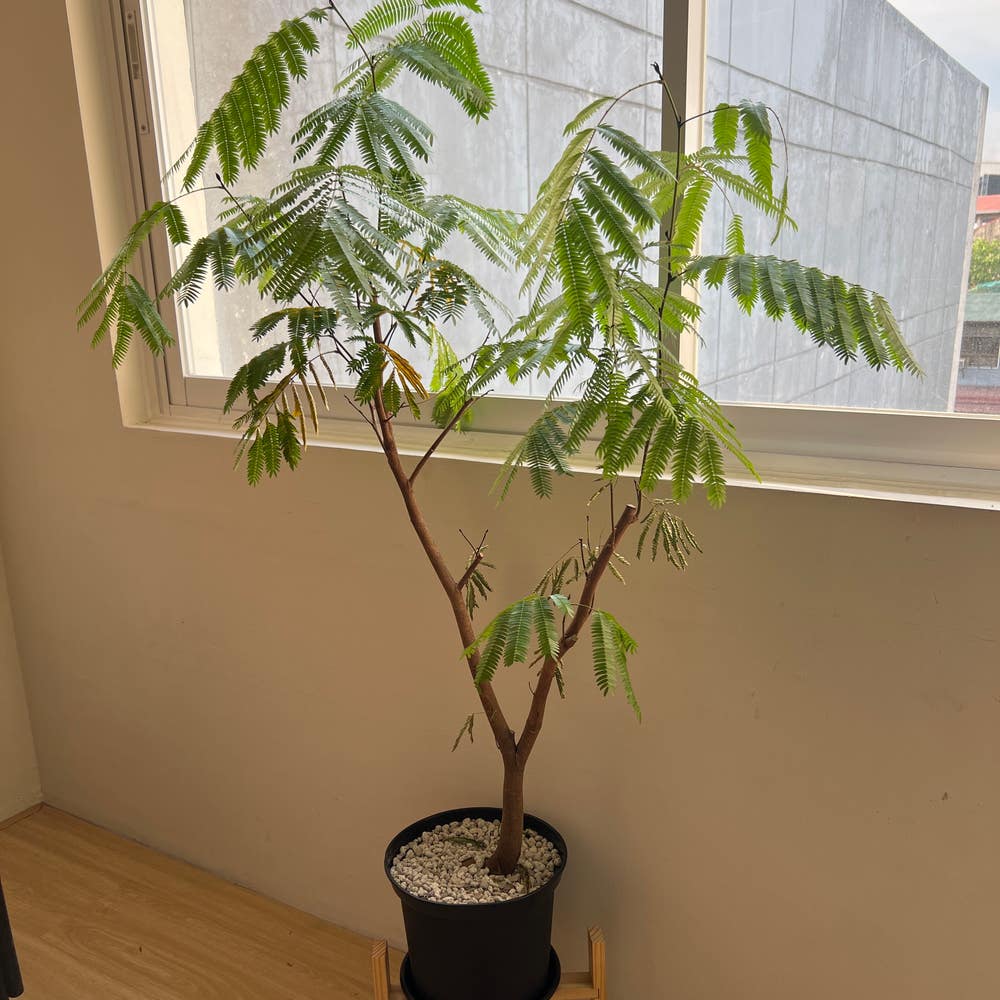
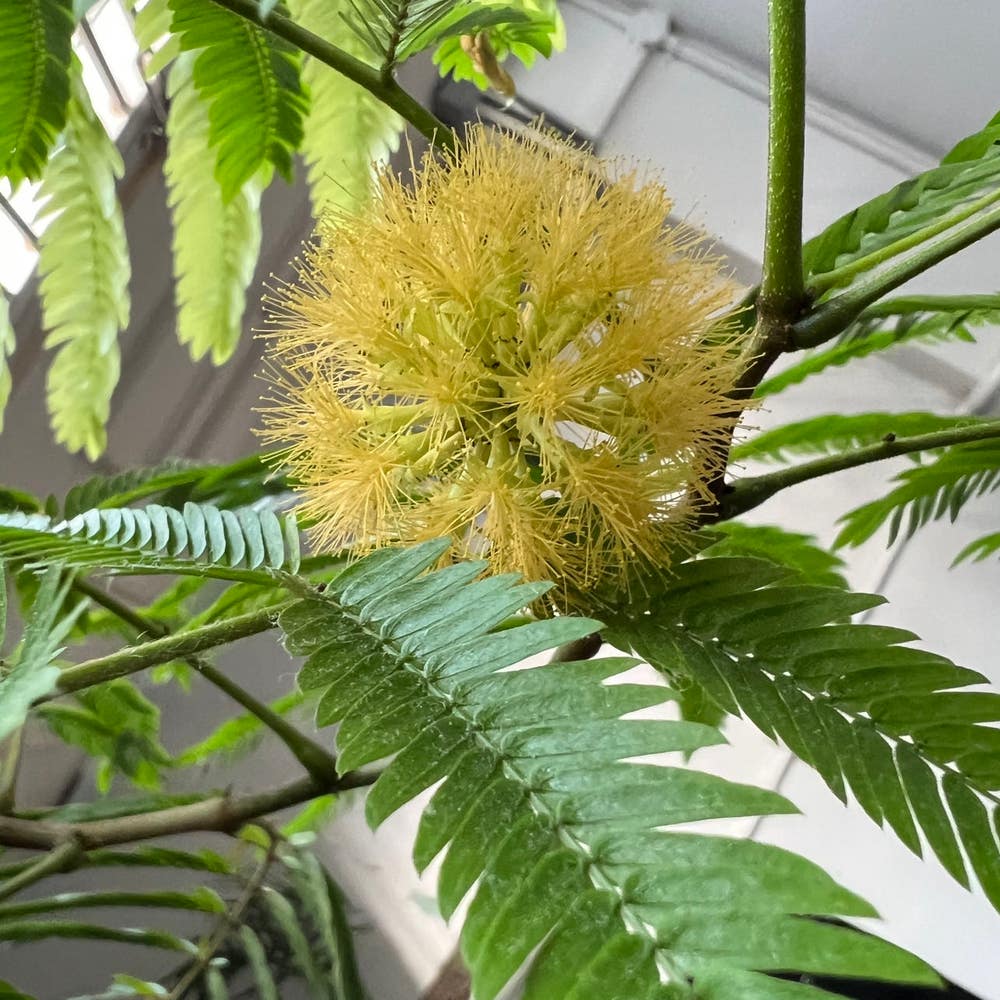
🌸 7 Factors Affecting Acle Flowering
Albizia acle
By the Greg Editorial Team
Nov 08, 2024•5 min read
This article was created with the help of AI so we can cover more plants for you. May contain errors. See one? Report it here.
Master light, nutrients, and pruning for vibrant Acle blooms 🌸 and transform your garden into a floral paradise!
- 🌞 Acle flowers need 6-8 hours of sunlight daily for optimal blooming.
- 🌱 Nutrient balance is crucial; nitrogen, phosphorus, and potassium enhance growth and blooms.
- ✂️ Prune after flowering to encourage new growth and prevent premature flower drop.
Light Requirements and Flowering
🌞 Importance of Sunlight for Blooming
Acle flowers thrive on full sun exposure, needing at least 6-8 hours of direct sunlight daily. This sunlight is crucial as it stimulates photosynthesis, which fuels energy production and supports vibrant flower development.
💡 Effects of Too Much or Too Little Light
☀️ Too Much Light
Excessive sunlight can lead to leaf scorch and faded flower colors. To combat this, provide partial shade during the hottest parts of the day to protect your plants.
🌑 Too Little Light
On the flip side, insufficient light results in weak stems, reduced flowering, and elongated growth. If your Acle isn’t getting enough light, consider relocating it to a brighter spot or using grow lights indoors.
Understanding the light requirements of Acle is essential for promoting healthy blooms. With the right balance, you can ensure your plants flourish beautifully.
Nutritional Needs and Flowering
🌱 Essential Nutrients for Flower Development
Acle flowers thrive on a balanced diet of essential nutrients.
- Nitrogen is vital for promoting lush, leafy growth, which supports overall plant health.
- Phosphorus plays a crucial role in flower development and root health, ensuring robust blooms.
- Potassium enhances the plant's vigor and improves the quality of the flowers, making them more vibrant.
🚫 Impact of Nutrient Deficiencies on Blooming
Nutrient deficiencies can significantly hinder the blooming process.
- A nitrogen deficiency often leads to poor growth and fewer blooms, leaving your Acle looking lackluster.
- Conversely, a phosphorus deficiency can delay flowering and result in smaller, less impressive flowers.
To combat these issues, regularly test your soil to understand its nutrient profile.
- Amend the soil with balanced fertilizers, focusing on NPK ratios that are specifically suitable for flowering plants.
By ensuring your Acle receives the right nutrients, you can enjoy a flourishing display of beautiful blooms.
Next, we’ll explore effective pruning techniques that can further enhance flowering potential.
Pruning Techniques and Flowering
🌿 Best Practices for Pruning Acle
Pruning is essential for maintaining the health and vibrancy of your Acle plants. Start by removing any dead or damaged stems; this not only encourages new growth but also helps the plant focus its energy on producing beautiful blooms.
Additionally, don't forget to remove spent flowers. This practice prevents energy loss and promotes further blooming, ensuring your Acle remains lush and colorful throughout the growing season.
⏰ Timing of Pruning to Encourage Blooms
Timing is everything when it comes to pruning Acle. The ideal time to prune is just after the flowering season, as this prepares the plant for its next bloom cycle.
Be cautious during the active growth phase; heavy pruning at this time can stress the plant and lead to bud drop. By following these timing guidelines, you can help your Acle thrive and produce an abundance of flowers.
With proper pruning techniques and timing, your Acle can flourish beautifully. Next, let’s explore common flowering problems that may arise and how to address them effectively.
Common Flowering Problems
🌸 Failure to Bloom
Potential Causes
Acle plants can struggle to bloom for several reasons. Insufficient light is a primary culprit; without adequate sunlight, flowering may be stunted.
Nutritional stress also plays a significant role. A lack of essential nutrients can hinder flower production, while environmental stress from extreme temperatures or humidity can further complicate blooming.
Solutions and Adjustments
- Assess light exposure: If your Acle isn’t getting enough sun, consider relocating it to a brighter spot.
- Implement a fertilization schedule: Focus on bloom-enhancing nutrients to support flower development.
- Monitor environmental conditions: Make adjustments to maintain ideal growth conditions, ensuring your plant thrives.
🌼 Premature Flower Drop
Identifying Causes
Premature flower drop can be frustrating for any gardener. Environmental stress, such as fluctuations in temperature or humidity, can lead to bud drop.
Additionally, pest infestations from critters like aphids or spider mites can weaken your plants, causing flowers to fall off before they fully develop.
Remedies to Prevent Bud Drop
- Maintain consistent watering: Ensure your Acle has stable humidity levels to reduce stress.
- Inspect for pests regularly: Treat any infestations promptly with appropriate organic or chemical controls.
- Use mulch: This helps retain soil moisture and regulate temperature, creating a more stable environment for your plants.
🌺 Abnormal Flower Development
Causes of Deformities in Flowers
Sometimes, Acle flowers may develop abnormally. Genetic factors can lead to irregular flowers in certain cultivars.
Nutrient imbalances, whether from excess or deficiency, can also cause deformities, impacting the overall appearance and health of your blooms.
Solutions to Encourage Healthy Flower Growth
- Ensure balanced fertilization: Tailor your fertilization approach to meet Acle's specific needs.
- Remove deformed flowers: This helps redirect energy to healthier blooms, promoting better growth.
- Monitor for environmental stressors: Adjust care practices as needed to create a more favorable growing environment.
By addressing these common flowering problems, you can help your Acle thrive and enjoy a vibrant display of blooms. Next, let’s explore the best practices for pruning Acle to encourage even more flowers.
⚠️ Safety First
This content is for general information and may contain errors, omissions, or outdated details. It is not medical, veterinary advice, or an endorsement of therapeutic claims.
Always consult a qualified healthcare professional before using any plant as food, medicine, or supplement.
Never eat any plant (or feed one to pets) without confirming its identity with at least two trusted sources.
If you suspect poisoning, call Poison Control (800) 222-1222, the Pet Poison Helpline (800) 213-6680, or your local emergency service immediately.
Spotted an error? Please report it here.
Unlock vibrant Acle blooms 🌼 by using Greg's tailored care reminders and nutrient tracking to create the ideal environment for your plants to flourish!