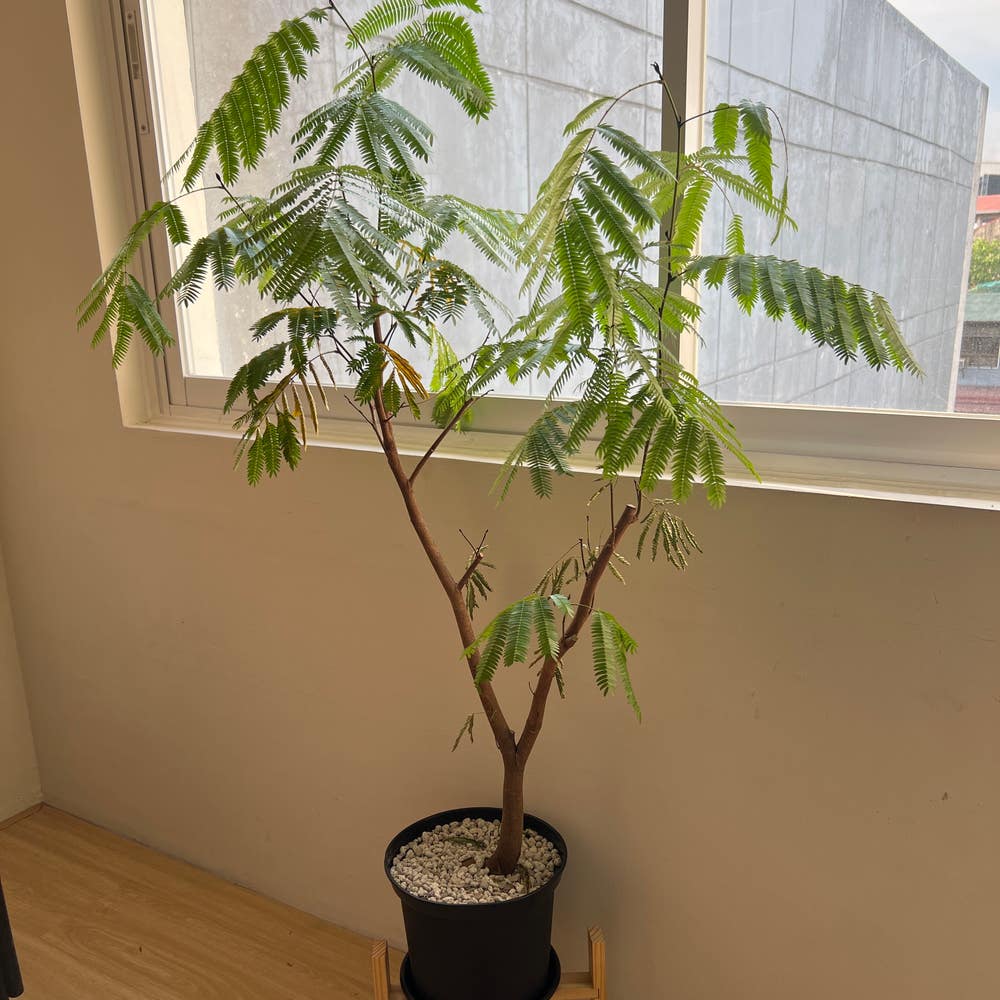
Acle: Not an Invasive Plant
Albizia acle
By the Greg Editorial Team
Nov 08, 2024•6 min read
This article was created with the help of AI so we can cover more plants for you. May contain errors. See one? Report it here.
Transform your garden with Acle 🌼—a beautiful, non-invasive plant that boosts biodiversity and supports local ecosystems!
- 🌱 Acle is a non-invasive plant, ensuring safe gardening without ecosystem disruption.
- 🐝 It attracts beneficial insects, enhancing biodiversity and supporting local wildlife.
- 🌿 Acle's manageable growth makes it versatile for various garden designs and settings.
Plant Classification
🌱 Definition of Invasive Plants
Invasive plants are species that exhibit certain aggressive traits. They typically grow rapidly, spread uncontrollably, and can displace native flora, leading to negative impacts on local ecosystems.
These characteristics make invasive plants a significant concern for gardeners and ecologists alike. Their ability to dominate landscapes can disrupt the balance of local habitats, threatening biodiversity.
🌿 Characteristics that Differentiate Acle from Invasive Species
Acle stands out due to its controlled growth patterns. Unlike invasive species, Acle does not exhibit aggressive spreading behavior, making it a more manageable addition to gardens.
Moreover, Acle's growth is self-regulating. This natural limitation prevents it from overtaking other plants, allowing for a harmonious coexistence in diverse plantings.
In summary, Acle's growth habits and ecological role make it a valuable, non-invasive choice for gardeners looking to enhance their landscapes without the risk of disruption. This sets the stage for exploring Acle's growth habits in the next section.
Growth Habits
Typical Growth Patterns of Acle 🌱
Acle exhibits a moderate growth rate, with noticeable seasonal variations. Typically, it reaches heights of 2-3 feet and spreads about 1-2 feet wide, making it a manageable addition to any garden.
Natural Limits to Acle's Growth 🌍
Acle thrives in various soil types but shows a preference for well-drained conditions. It enters a dormant phase during winter, with active growth resuming in spring and summer, ensuring it doesn’t overwhelm its surroundings.
Spread Potential in Gardens and Natural Settings 🌼
The spread of Acle is limited, making it an excellent choice for mixed plantings. It pairs well with native plants, enhancing garden diversity and creating a vibrant ecosystem.
Incorporating Acle into your garden not only adds beauty but also supports local wildlife and promotes a balanced environment. Its manageable growth habits ensure that it remains a delightful and non-invasive presence in your outdoor space.
Ecological Role
🌼 Benefits of Acle in Garden Ecosystems
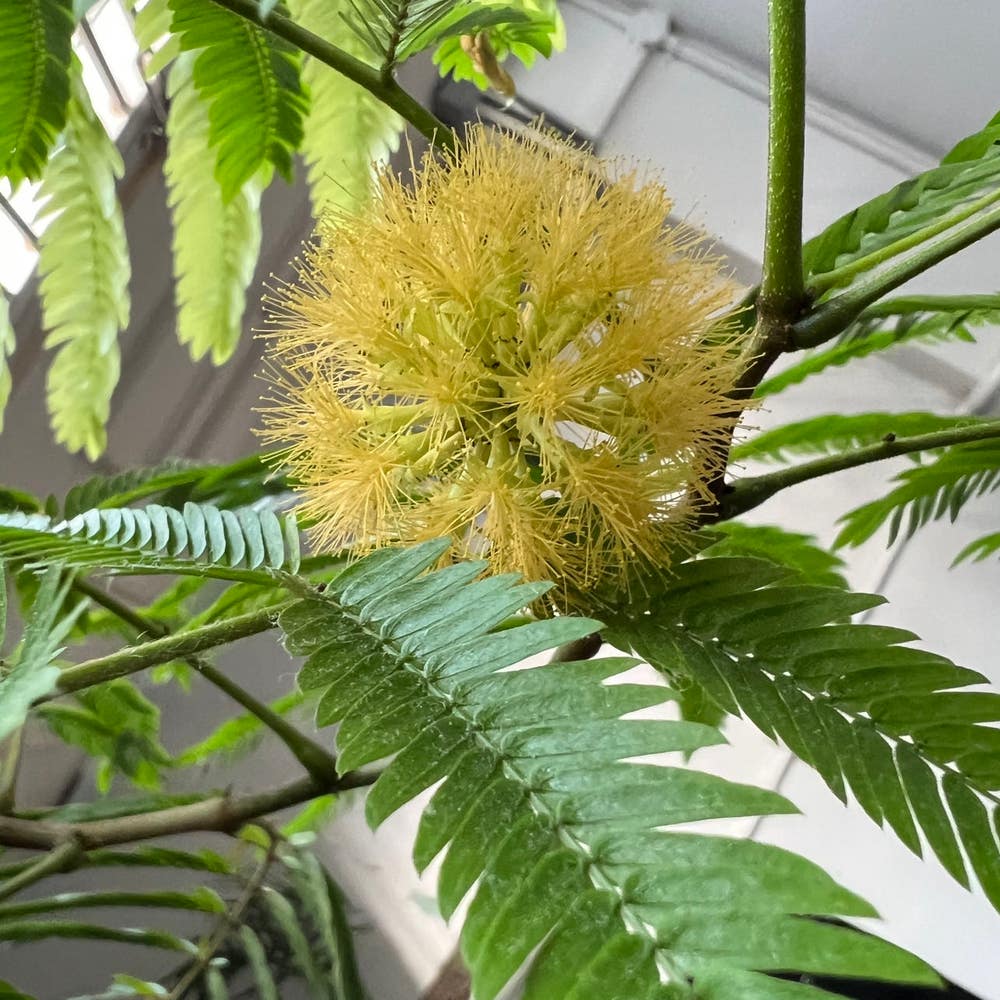
Acle plays a vital role in garden ecosystems by attracting beneficial insects. Pollinators like bees and butterflies are naturally drawn to its blooms, enhancing the overall health of your garden.
Additionally, Acle supports local wildlife by providing essential habitat and food sources. This makes it a valuable addition to any garden, fostering a thriving environment for various species.
🦋 Positive Interactions with Local Wildlife
One of Acle's standout features is its ability to encourage biodiversity. By supporting multiple species, it contributes to a balanced ecosystem that benefits all plants and animals involved.
Moreover, Acle enhances soil health through its robust root system. This not only improves soil structure but also increases nutrient availability, creating a more fertile ground for other plants to flourish.
Incorporating Acle into your garden not only beautifies the space but also promotes a healthier ecosystem. As we explore further, we’ll look at effective ways to manage Acle's growth while maximizing its ecological benefits.
Garden Management
Effective Incorporation of Acle into Garden Designs 🌼
Incorporating Acle into your garden can be a game-changer. Consider using it as a focal point or in mixed borders alongside complementary plants to create a vibrant display.
When planning your layout, remember to space Acle appropriately. This allows it to grow naturally without competing too much with its neighbors.
Practical Methods for Managing Acle's Growth ✂️
To keep Acle looking its best, regular pruning is essential. This practice helps maintain its desired shape and size while promoting healthy growth.
Additionally, monitoring Acle's spread is crucial. Keeping an eye on its growth patterns will prevent overcrowding and ensure a balanced garden environment.
With these management strategies, Acle can thrive beautifully in your garden, enhancing both aesthetics and ecological health. Next, let’s explore how Acle compares to other plants in terms of growth habits and benefits.
Comparison to Other Plants
🌱 Similar Non-Invasive Plants for Comparison
When considering non-invasive plants, Acle stands out alongside popular choices like Echinacea and Rudbeckia. Both Echinacea and Rudbeckia are celebrated for their vibrant blooms and ability to attract pollinators, but they differ in growth habits and ecological contributions.
- Echinacea typically grows taller, reaching heights of 3-4 feet, and has a more aggressive growth pattern compared to Acle.
- Rudbeckia, on the other hand, can spread more widely, often covering larger areas in gardens.
While Acle maintains a moderate growth rate and a more contained spread, it complements these plants beautifully in mixed borders.
🌟 Unique Qualities of Acle in Relation to Other Plants
Acle possesses distinctive features that set it apart from its non-invasive counterparts. Its unique botanical characteristics include a self-regulating growth pattern, which prevents it from becoming a nuisance in gardens.
Moreover, Acle's adaptability is remarkable. It thrives in various soil types and environmental conditions, making it a versatile choice for gardeners looking to enhance biodiversity.
This adaptability not only allows Acle to coexist with other plants but also supports a healthy ecosystem. By choosing Acle, gardeners can enjoy a beautiful, low-maintenance plant that contributes positively to their garden's ecology.
In summary, Acle's moderate growth, unique traits, and compatibility with other non-invasive plants make it an excellent addition to any garden. As we explore the next section, we'll delve into the legal and environmental considerations surrounding Acle's cultivation.
Legal and Environmental Considerations
📜 Relevant Classifications and Guidelines for Acle
When considering planting Acle, it's essential to check local regulations. Some areas may have specific guidelines regarding the introduction of non-native plants, even if they are not classified as invasive.
Understanding environmental assessments is also crucial. These evaluations help gauge the ecological impact of introducing Acle to new areas, ensuring that it won't disrupt local ecosystems.
🌱 Acle's Role in Sustainable Gardening Practices
Acle plays a significant role in supporting biodiversity. By promoting native species, it contributes to healthier, more sustainable ecosystems.
Additionally, Acle is low maintenance, requiring minimal intervention. This quality aligns perfectly with sustainable gardening principles, making it an excellent choice for eco-conscious gardeners.
Incorporating Acle into your garden not only enhances its beauty but also supports a thriving environment. As you plan your garden, consider how Acle can fit into your vision for a sustainable landscape.
With its manageable growth and ecological benefits, Acle stands out as a plant that enriches both gardens and the surrounding ecosystem.
⚠️ Safety First
This content is for general information and may contain errors, omissions, or outdated details. It is not medical, veterinary advice, or an endorsement of therapeutic claims.
Always consult a qualified healthcare professional before using any plant as food, medicine, or supplement.
Never eat any plant (or feed one to pets) without confirming its identity with at least two trusted sources.
If you suspect poisoning, call Poison Control (800) 222-1222, the Pet Poison Helpline (800) 213-6680, or your local emergency service immediately.
Spotted an error? Please report it here.
Enhance your garden's beauty and biodiversity with Acle 🌿, and let Greg guide you with tailored care tips to ensure your plant thrives while supporting a balanced ecosystem!