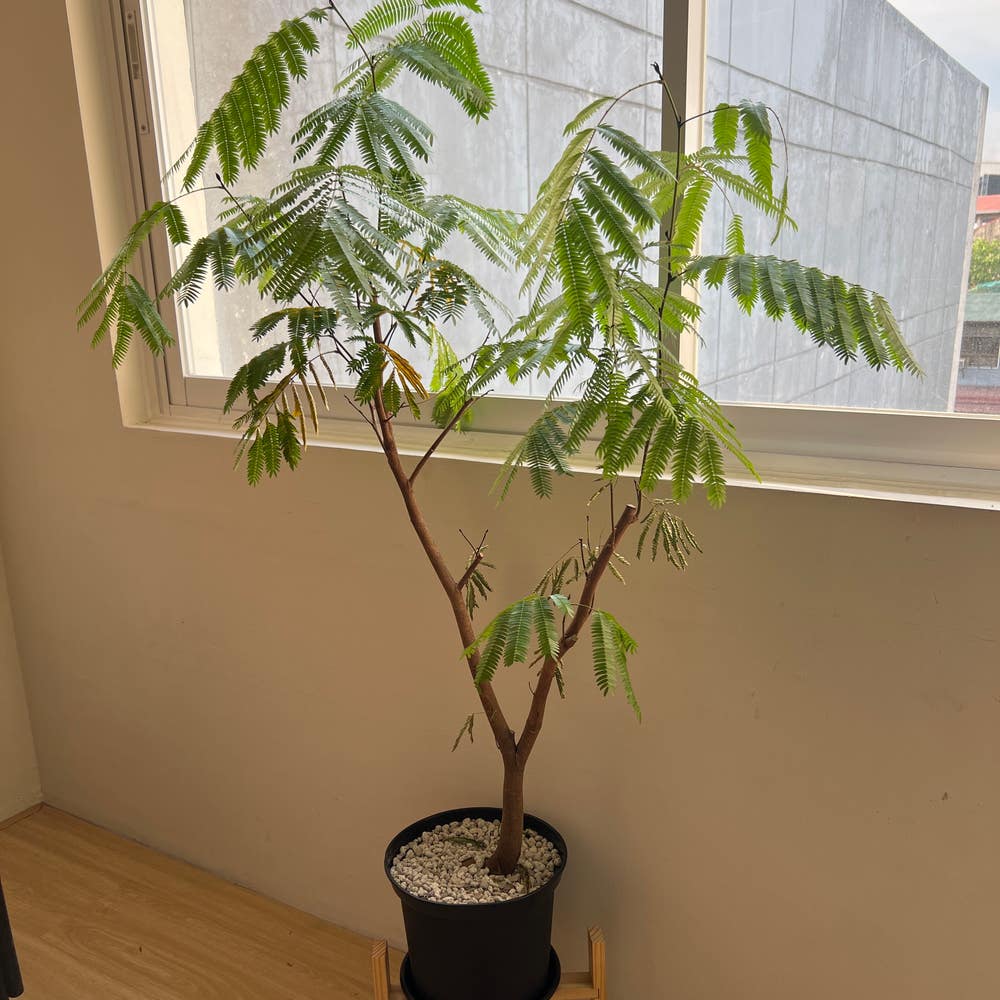
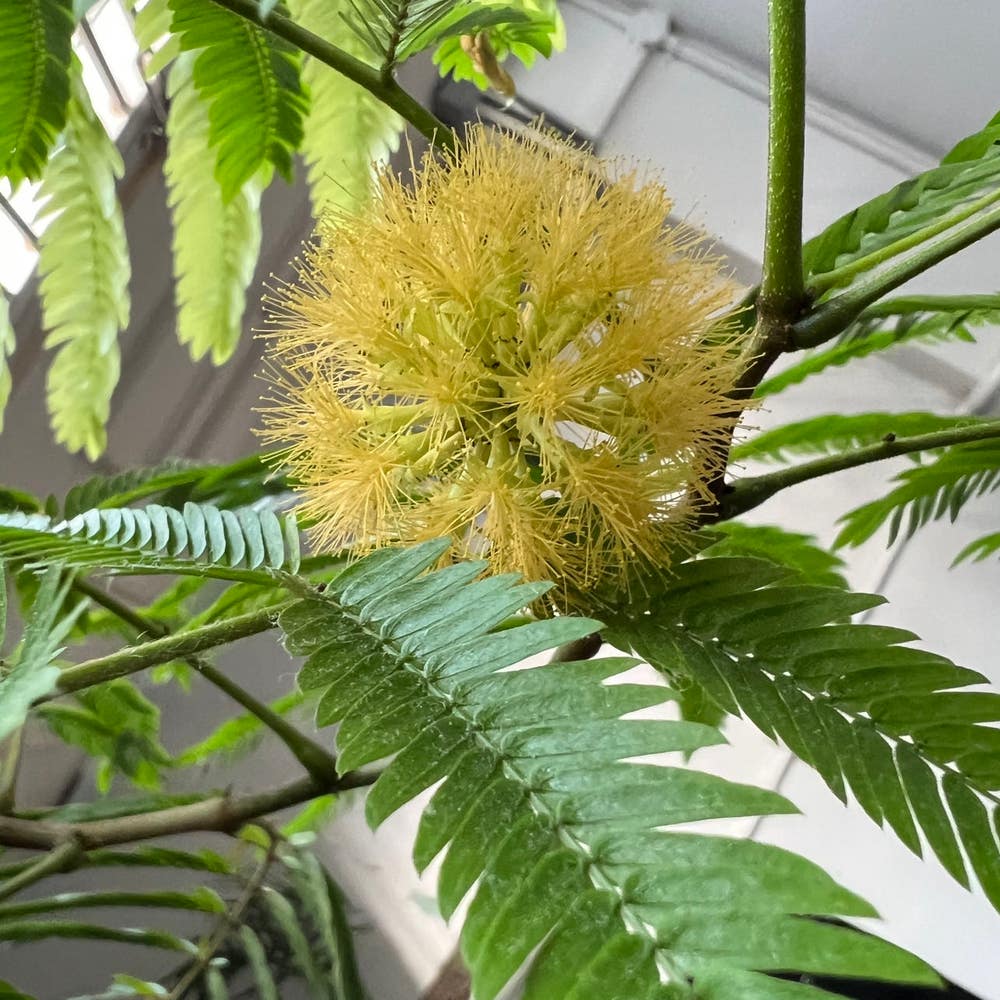
💡 4 Factors Influencing Acle Growth
Albizia acle
By the Greg Editorial Team
Nov 08, 2024•6 min read
This article was created with the help of AI so we can cover more plants for you. May contain errors. See one? Report it here.
Master Acle's life cycle 🌱 and watch your plants thrive from germination to flowering! 🌼
- 🌱 Optimal temperatures (20-25°C) are crucial for Acle seed germination success.
- 💧 Consistent soil moisture without waterlogging supports healthy Acle growth.
- ☀️ Acle needs 6-8 hours of sunlight daily for optimal vegetative growth.
Germination Stage
🌱 Conditions for Successful Germination
For Acle seeds to thrive, they need specific conditions. The optimal temperature range is between 20°C to 25°C (68°F to 77°F), which creates a warm environment for growth.
Soil moisture is equally important; it should be consistently moist but never waterlogged. Additionally, light requirements can vary; some cultivars may need light for germination, while others can sprout in darkness.
⏳ Duration of Germination Period
Typically, Acle seeds germinate within 7 to 14 days. However, several factors can influence this speed, including soil temperature, moisture levels, and the overall quality of the seeds.
Understanding these conditions and timelines is crucial for successful cultivation. By ensuring the right environment, you can set the stage for healthy growth in the next stages of Acle's life cycle.
Seedling Stage
🌱 Characteristics of Acle Seedlings
Acle seedlings showcase a fascinating transformation as they emerge from the soil. Initially, they develop cotyledons, which are the first leaves that provide essential nutrients, followed by true leaves that signify healthy growth.
These seedlings exhibit a compact and upright growth habit, characterized by rapid leaf development. Their bright green coloration is a clear indicator of vitality, suggesting that they are thriving in their environment.
⏳ Duration of the Seedling Stage
The seedling stage lasts approximately 3 to 4 weeks, a critical period for establishing strong plants. During this time, you can observe key transition indicators, such as the development of multiple true leaves and noticeable increases in height.
Understanding these characteristics and the duration of the seedling stage is vital for successful cultivation. It sets the foundation for the next phases of growth, ensuring that your Acle plants are well-prepared for the challenges ahead.
As we move forward, let’s explore the vegetative growth phase, where Acle plants truly begin to flourish.
Vegetative Growth
🌱 Description of Vegetative Growth Phase
The vegetative growth phase is a thrilling time for Acle plants. During this stage, you’ll witness rapid leaf expansion, stem elongation, and robust root development.
Morphological changes are striking; leaves grow larger and may even change shape as the plant matures. This transformation is essential for the plant's overall health and future productivity.
⏳ Duration and Environmental Factors Affecting Growth
Typically, the vegetative growth phase lasts between 4 to 8 weeks, but this can vary based on environmental conditions.
Several key factors influence this growth:
Light
Acle thrives in full sun, requiring 6 to 8 hours of sunlight daily. This exposure is crucial for maximizing photosynthesis and promoting vigorous growth.
Water
Consistent moisture is vital. Acle plants prefer their soil to remain moist but not soggy, as this balance supports optimal growth.
Nutrients
Fertile, well-draining soil is a game changer. It enhances the growth rate and ensures that the plant has access to the nutrients it needs to flourish.
Understanding these elements can significantly impact your cultivation success. By providing the right conditions, you can help your Acle plants reach their full potential, setting the stage for the next exciting phases of their life cycle.
Flowering Stage
Timing and Conditions for Flowering 🌱
The flowering stage of Acle typically occurs 8 to 12 weeks after germination. This period is crucial as it marks the transition from growth to reproduction.
Environmental factors play a significant role in triggering flowering. Changes in day length and temperature can signal the plant to start producing flowers, making it essential to monitor these conditions for optimal results.
Changes in Plant Structure During Flowering 🌼
As Acle enters the flowering stage, you'll notice the development of flower buds. This shift indicates a move from vegetative growth to the formation of reproductive structures.
During this time, the plant also undergoes alterations in leaf production. Energy that was once focused on growing leaves is now redirected towards developing flowers and seeds, showcasing the plant's commitment to reproduction.
Understanding these changes is vital for anyone looking to cultivate Acle successfully. It helps in predicting growth patterns and managing care effectively, ensuring a thriving plant ready for the next stages of its life cycle.
With flowering underway, the excitement builds as we look forward to the next phase: seed production and maturation.
Seed Production and Maturation
🌱 Process of Seed Production
Seed production in Acle plants can occur through two primary methods: self-pollination and cross-pollination. The method used often depends on the specific cultivar, which can influence the genetic diversity of the seeds produced.
Once pollination is successful, seeds begin to develop within the flower. This process is crucial, as it sets the stage for the next generation of plants.
⏳ Duration of the Reproductive Cycle
The reproductive cycle of Acle typically spans 4 to 6 weeks from the onset of flowering to seed maturity. This timeframe can vary based on several factors, including environmental conditions, pollinator activity, and the overall health of the plant.
Optimal conditions can significantly enhance seed production. For instance, a thriving ecosystem with active pollinators can lead to a more abundant seed yield.
🌳 Overall Lifespan of Acle and Factors Influencing It
Under ideal conditions, Acle plants can live between 2 to 5 years. However, their lifespan is influenced by various factors, including soil quality, water availability, and light exposure.
Different cultivars may also exhibit distinct growth rates and lifespans. Understanding these variations can help gardeners and farmers select the best Acle types for their specific environments.
In summary, the seed production and maturation phase is a critical part of the Acle life cycle. By recognizing the factors that influence this process, you can better manage and cultivate these plants for optimal growth and longevity.
Next, we will explore the notable changes throughout Acle's life cycle, highlighting the significant transformations from seedling to maturity.
Notable Changes Throughout Acle's Life Cycle
The life cycle of Acle is marked by significant morphological changes as it progresses from seedling to maturity. One of the most noticeable transformations occurs in leaf size and structure, where initial leaves give way to larger, more complex foliage.
🌱 Transition from Vegetative Growth to Flowering
The shift from vegetative growth to flowering is a critical phase in Acle's reproductive cycle. During this time, the plant redirects its energy from growing leaves to developing flowers, signaling a major change in its life stage.
📈 Importance of Understanding Growth Patterns
Recognizing these changes is essential for predicting growth patterns and effectively managing cultivation. By understanding the life cycle of Acle, growers can optimize conditions to support healthy development and maximize yield.
This knowledge not only enhances cultivation strategies but also fosters a deeper appreciation for the intricate processes that govern plant life. As we move forward, let’s explore the fascinating details of Acle's flowering stage and its implications for seed production.
⚠️ Safety First
This content is for general information and may contain errors, omissions, or outdated details. It is not medical, veterinary advice, or an endorsement of therapeutic claims.
Always consult a qualified healthcare professional before using any plant as food, medicine, or supplement.
Never eat any plant (or feed one to pets) without confirming its identity with at least two trusted sources.
If you suspect poisoning, call Poison Control (800) 222-1222, the Pet Poison Helpline (800) 213-6680, or your local emergency service immediately.
Spotted an error? Please report it here.
Cultivating thriving Acle plants 🌱 is easy with Greg's tailored watering reminders and care tips that ensure your seeds and seedlings get the optimal conditions they need to flourish!