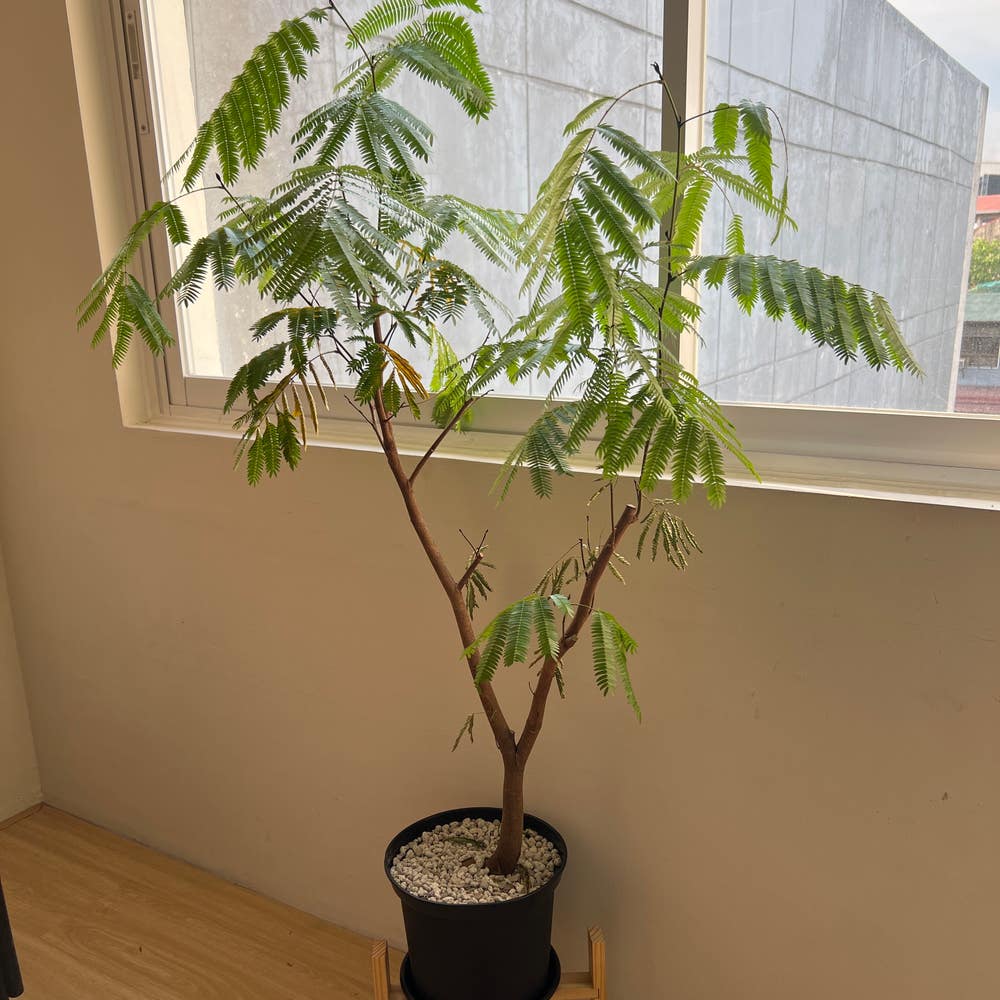
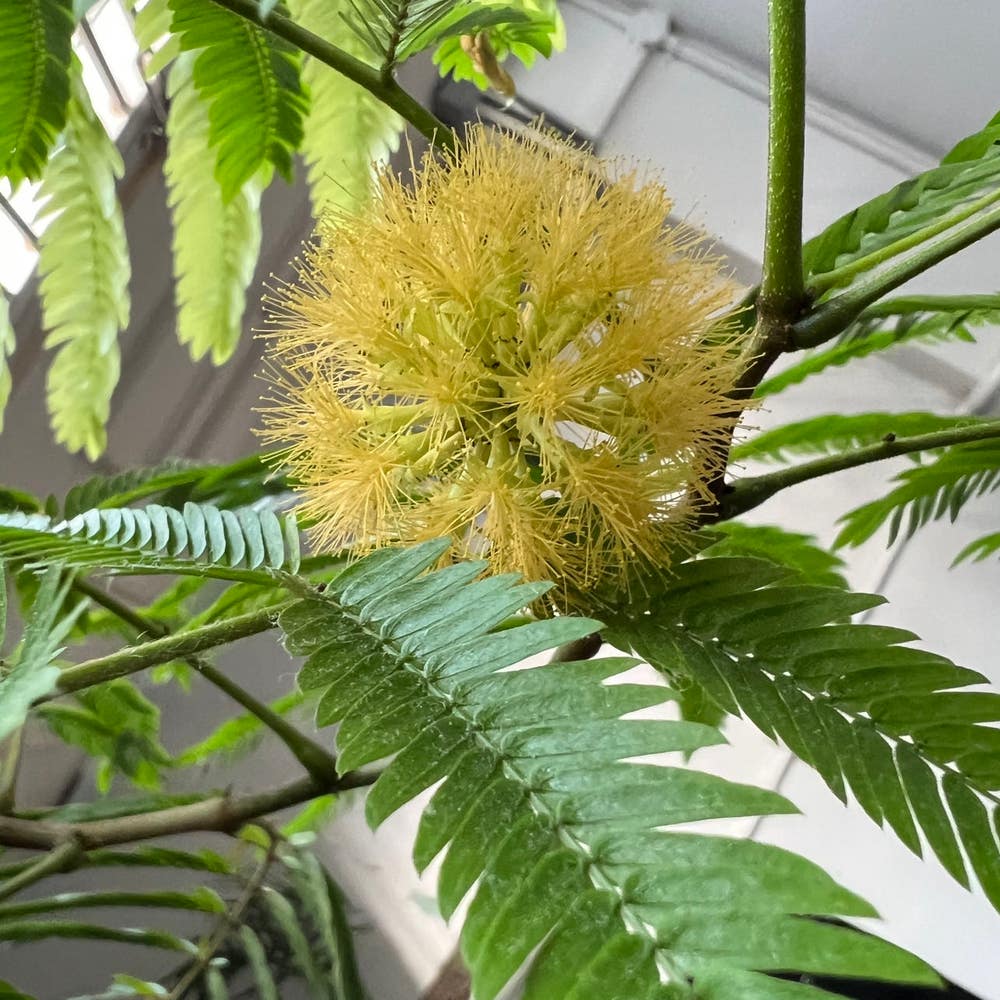
Best Size and Type of Pot for Acle 🪴
Albizia acle
By the Greg Editorial Team
Nov 08, 2024•6 min read
This article was created with the help of AI so we can cover more plants for you. May contain errors. See one? Report it here.
Unlock your Acle's full potential 🌱 by mastering the art of pot selection for vibrant growth and health!
- 🌱 Use 4-6 inch pots for seeds; larger pots support growth as plants mature.
- 🏺 Clay pots promote healthy Acle growth due to breathability and moisture retention.
- 🚫 Avoid root binding by repotting every 1-2 years and ensuring proper drainage.
Pot Size for Acle
Appropriate Sizes for Seedlings 🌱
When starting Acle from seeds, choose pots that are 4-6 inches in diameter. This size is crucial as it encourages robust root development while preventing excess moisture that can harm young plants.
As seedlings grow and reach about 4-6 inches in height, it's time to transition them to larger pots. This gradual increase in size supports their continued growth and health.
Recommended Sizes for Mature Acle Plants 🌳
For mature Acle plants, an ideal pot size ranges from 10-14 inches in diameter. As Acle can grow significantly, selecting larger pots is essential to accommodate their expanding root systems.
Ensure there is at least 2-4 inches of space around the root ball in the pot. This extra space promotes healthy growth and prevents the roots from becoming cramped.
Impact of Size on Acle Growth and Health 📏
Using pots that are too small can lead to root binding, stunted growth, and poor nutrient uptake. It's vital to recognize these signs early to avoid compromising your plant's health.
On the other hand, overly large pots can create a risk of waterlogging and root rot. A gradual increase in pot size is key to promoting healthy root expansion and overall vigor in your Acle plants.
Understanding the right pot size is fundamental for nurturing Acle effectively. With the right choices, you can ensure your plants thrive and flourish beautifully.
Pot Materials for Acle
🌱 Benefits of Clay Pots
Clay pots are a popular choice for Acle due to their breathability. This feature allows for better air circulation to the roots, promoting healthier growth.
Additionally, clay pots excel in moisture retention. They help maintain consistent moisture levels, which is crucial for Acle's development, especially in fluctuating indoor conditions.
🪴 Advantages of Plastic Pots
Plastic pots offer several practical benefits for Acle gardeners. They are lightweight and easy to handle, making them ideal for indoor gardening and frequent repotting.
Moreover, plastic pots are cost-effective. They are generally more affordable than clay options and come in a variety of sizes and colors, providing flexibility in design and functionality.
🏺 Comparison of Other Materials
Ceramic pots are another option, known for their attractive appearance. However, they can be heavy and prone to cracking, which may not suit all gardeners.
Biodegradable pots present an eco-friendly alternative. While they are great for the environment, they may lack long-term durability, making them less ideal for permanent use.
When choosing a pot, consider factors like weight, drainage capabilities, and your aesthetic preferences. Each material has its pros and cons, so select one that aligns with your gardening goals.
As you explore pot materials, remember that the right choice can significantly impact your Acle's health and growth. Transitioning to the next section, we'll delve into the importance of drainage and how it affects your plant's well-being.
Importance of Drainage
🌧️ Role of Drainage Holes in Pot Selection
Drainage holes are crucial for preventing waterlogging, which can lead to root rot in sensitive Acle plants. Aim for holes that are at least 1/4 inch in diameter, and ensure there are a minimum of 3-5 holes for optimal water flow.
🌱 How Drainage Affects Acle Root Health
Poor drainage can severely impact Acle root health, often resulting in root rot and other serious issues. Healthy drainage is indicated by quick water absorption and minimal standing water, while well-draining soil further enhances drainage and supports robust root health.
🚨 Signs of Poor Drainage in Pots
Watch for symptoms like yellowing leaves, wilting, and stunted growth, which signal poor drainage. To assess drainage, check how much water remains after watering; if it lingers, you may need to improve your potting mix by adding perlite or sand.
Understanding the importance of drainage not only helps maintain Acle health but also sets the stage for effective repotting practices. Next, we’ll explore when and how to repot your Acle for optimal growth.
Repotting Acle
🕒 When to Repot
Repotting Acle is essential for its health and growth. Look for indicators like roots growing out of drainage holes or visible root binding, which signal that your plant needs more space.
The best time to repot is during the growing season, specifically from spring to early summer. Generally, you should repot every 1-2 years, depending on how quickly your Acle is growing.
🪴 How to Choose the Right Pot When Repotting
Selecting the right pot is crucial for your Acle's continued success. Consider size first; follow the guidelines for appropriate pot size based on your plant's growth stage.
Material selection also matters. Choose a pot that meets drainage needs while aligning with your aesthetic preferences. Don’t forget to ensure that new pots are sterilized to prevent disease.
📋 Step-by-Step Guide to Repotting Acle
Repotting may seem daunting, but it’s straightforward. Follow these steps for a successful transition:
- Prepare the new pot: Ensure it has adequate drainage holes and is clean.
- Remove the Acle from its current pot: Gently loosen the soil and roots.
- Inspect the roots: Trim any damaged or rotting roots.
- Place Acle in the new pot: Center the plant and fill with fresh potting mix.
- Water thoroughly: Ensure the soil is moist but not waterlogged.
- Monitor for stress: Watch for signs of transplant shock in the following weeks.
By following these steps, you’ll help your Acle thrive in its new environment. Proper repotting not only supports growth but also enhances the overall health of your plant. Next, let’s explore how pot choice can influence Acle health.
Pot Choice and Acle Health
🌱 How Pot Choice Influences Growth
The size and type of pot you choose for your Acle can significantly impact its growth. Larger pots provide more soil, which means more nutrients for your plant, promoting healthier development.
Material also plays a crucial role in temperature regulation. Clay pots tend to retain heat better than plastic ones, which can affect root health depending on your environment.
⚠️ Common Issues Related to Pot Selection
Choosing the wrong pot can lead to serious issues for your Acle. Poor drainage can cause root rot, a common problem that arises when water accumulates at the bottom of the pot.
On the other hand, small pots can lead to stunted growth due to root binding. If you notice your plant struggling to thrive, it might be time to reassess its pot size.
🧹 Tips for Maintaining Optimal Pot Conditions
To keep your Acle healthy, regularly check the drainage holes to ensure they remain clear. Clogged holes can lead to water retention, which is detrimental to root health.
Monitoring soil moisture is also essential. Using a moisture meter can help you avoid overwatering, a common mistake among plant enthusiasts.
Lastly, consider rotating your pots occasionally. This practice ensures even light exposure, promoting balanced growth and preventing any one side from becoming too leggy.
By making informed choices about pot size and material, you can create an ideal environment for your Acle to flourish. Next, we’ll explore the importance of drainage in more detail.
⚠️ Safety First
This content is for general information and may contain errors, omissions, or outdated details. It is not medical, veterinary advice, or an endorsement of therapeutic claims.
Always consult a qualified healthcare professional before using any plant as food, medicine, or supplement.
Never eat any plant (or feed one to pets) without confirming its identity with at least two trusted sources.
If you suspect poisoning, call Poison Control (800) 222-1222, the Pet Poison Helpline (800) 213-6680, or your local emergency service immediately.
Spotted an error? Please report it here.
Give your Acle the perfect pot 🪴 for thriving growth with Greg's tailored care tips and watering reminders that keep your plant happy and healthy!