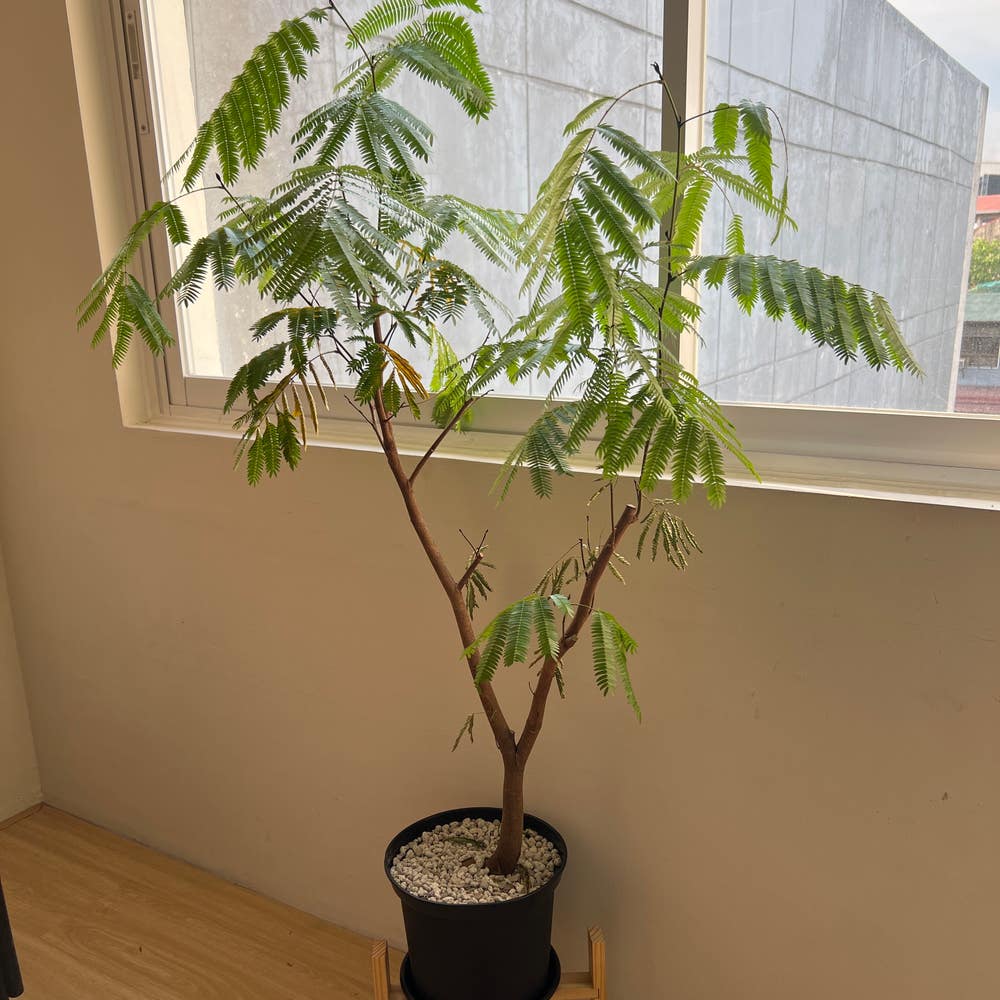
How to Fix Brown Spots on Your Acle
Albizia acle
By the Greg Editorial Team
Nov 08, 2024•5 min read
This article was created with the help of AI so we can cover more plants for you. May contain errors. See one? Report it here.
Revive your Acle from brown spots 🌱 with expert tips on diagnosis and treatment for thriving plants!
- 🌧️💧 Brown spots arise from overwatering, underwatering, pests, or infections.
- ✂️ Prune affected leaves to prevent further spread of brown spots.
- 🌱 Adjust watering and light for effective recovery of your Acle.
Diagnosing Brown Spots
🕵️♂️ Common Causes of Brown Spots
Brown spots on your Acle can stem from various issues. Understanding these common causes is crucial for effective treatment.
- Overwatering: Excess moisture can lead to root rot, a serious condition that affects your plant's health.
- Underwatering: Insufficient water results in leaf dehydration, causing brown spots to appear.
- Pest infestations: Spider mites and aphids can wreak havoc, damaging leaves and leading to discoloration.
- Fungal infections: Recognizing signs of fungal diseases is essential for prompt intervention.
- Bacterial infections: These can manifest as symptoms that severely impact leaf health.
🚰 Identifying Symptoms of Overwatering
Recognizing the signs of overwatering is the first step in diagnosing brown spots.
- Leaf characteristics: Look for yellowing, wilting, and browning at the tips of the leaves.
- Soil conditions: Consistently soggy or waterlogged soil indicates excessive moisture.
- Root health: Inspect the roots for signs of rot, which can be a telltale sign of overwatering.
💧 Recognizing Signs of Underwatering
Underwatering can be just as damaging, so it's important to identify its symptoms.
- Leaf characteristics: Watch for crispy, dry edges and browning spots on the leaves.
- Soil conditions: Dry, compacted soil that pulls away from the pot suggests a lack of moisture.
- Plant behavior: Drooping leaves and stunted growth are clear indicators that your plant needs water.
🦠 Differentiating Between Fungal and Bacterial Infections
Understanding the differences between fungal and bacterial infections can help you take the right action.
- Fungal infections: These often present as dark, water-soaked spots that may spread across the leaves.
- Bacterial infections: Look for irregular, often wet-looking spots accompanied by yellow halos.
- Diagnostic methods: A visual inspection can provide initial clues, but lab testing may be necessary for a definitive diagnosis.
By diagnosing the underlying causes of brown spots, you can take the necessary steps to restore your Acle to its vibrant self. Next, we’ll explore effective treatment options to tackle these issues head-on.
Treating Brown Spots
Step-by-Step Guide to Treating Brown Spots 🌱
Treating brown spots on your Acle starts with identifying the cause. Assess your watering practices, check for pest presence, and evaluate environmental conditions.
Next, remove any affected leaves. Pruning damaged foliage helps prevent the spread of issues to healthy parts of the plant.
Finally, adjust your care routine. Modify your watering habits and light exposure based on your findings to promote recovery.
Recommended Fungicides and Treatments 🧪
When it comes to chemical options, specific fungicides can effectively combat common Acle fungal infections. Look for products labeled for use on houseplants to ensure safety and effectiveness.
Proper application methods are crucial. Follow the instructions carefully to minimize damage to your plant while maximizing the treatment's efficacy.
Natural Remedies for Brown Spots 🌿
For those who prefer natural solutions, neem oil is a fantastic option. It not only helps control pests but also has antifungal properties. Mix it with water and apply it directly to affected areas.
Another effective remedy is a baking soda solution. Combine one tablespoon of baking soda with a quart of water, and spray it on the leaves to treat fungal issues. This simple recipe can be a game-changer for your Acle's health.
With these treatment options, you can tackle brown spots effectively and keep your Acle thriving. Next, let’s explore how to prevent these issues from occurring in the first place.
Preventing Brown Spots
🌱 Best Practices for Acle Care
Maintaining a consistent care routine is crucial for preventing brown spots on your Acle. Regular maintenance not only promotes healthy growth but also helps you catch potential issues before they escalate.
Monitoring environmental conditions is equally important. Keep an eye on humidity and temperature levels to create an optimal environment for your plant.
💧 Importance of Proper Watering Techniques
Understanding the right watering frequency can make all the difference. During the growing season, your Acle may need more frequent watering, while in the dormant season, you can reduce it.
Employing proper watering techniques is essential. Deep watering encourages strong root growth, while surface watering can lead to shallow roots and increased susceptibility to stress.
🔍 Regular Inspection for Pests and Diseases
Conducting weekly inspections is a proactive way to catch pests and diseases early. Regular checks can help you identify any discoloration, webbing, or unusual leaf textures that signal trouble.
Look for specific signs during your inspections. Discoloration, webbing from spider mites, and unusual leaf textures can indicate underlying issues that need immediate attention.
By implementing these preventive measures, you can keep your Acle healthy and vibrant, reducing the risk of brown spots and other complications. Now, let’s explore the environmental factors that can affect your Acle’s health.
Environmental Factors Affecting Acle
🌱 Soil Composition and Drainage Considerations
The right soil mix is crucial for your Acle's health. A well-draining potting mix enriched with organic matter promotes strong root growth and prevents waterlogging.
Proper drainage is essential to avoid root rot. Ensure your pot has drainage holes and consider adding perlite or sand to improve soil aeration.
🌡️ Temperature and Humidity Requirements
Acle thrives in temperatures between 65°F to 80°F (18°C to 27°C). Keeping your plant within this range helps maintain its vibrant foliage and overall vitality.
Humidity is another key factor. Acle prefers higher humidity levels, so consider misting the leaves or using a humidifier to create a tropical environment.
🌬️ Effects of Drafts and Sudden Temperature Changes
Drafts can be detrimental to your Acle's health. Avoid placing your plant near open windows or air conditioning vents to prevent stress.
To mitigate temperature fluctuations, choose a stable location. Consistent conditions help your Acle flourish and reduce the risk of brown spots.
With these environmental factors in check, your Acle will be better equipped to thrive. Next, let’s explore best practices for preventing brown spots through proper care and maintenance.
⚠️ Safety First
This content is for general information and may contain errors, omissions, or outdated details. It is not medical, veterinary advice, or an endorsement of therapeutic claims.
Always consult a qualified healthcare professional before using any plant as food, medicine, or supplement.
Never eat any plant (or feed one to pets) without confirming its identity with at least two trusted sources.
If you suspect poisoning, call Poison Control (800) 222-1222, the Pet Poison Helpline (800) 213-6680, or your local emergency service immediately.
Spotted an error? Please report it here.
Keep your Acle spot-free 🌿 by using Greg's tailored watering reminders and expert tips to ensure it thrives in your home environment!