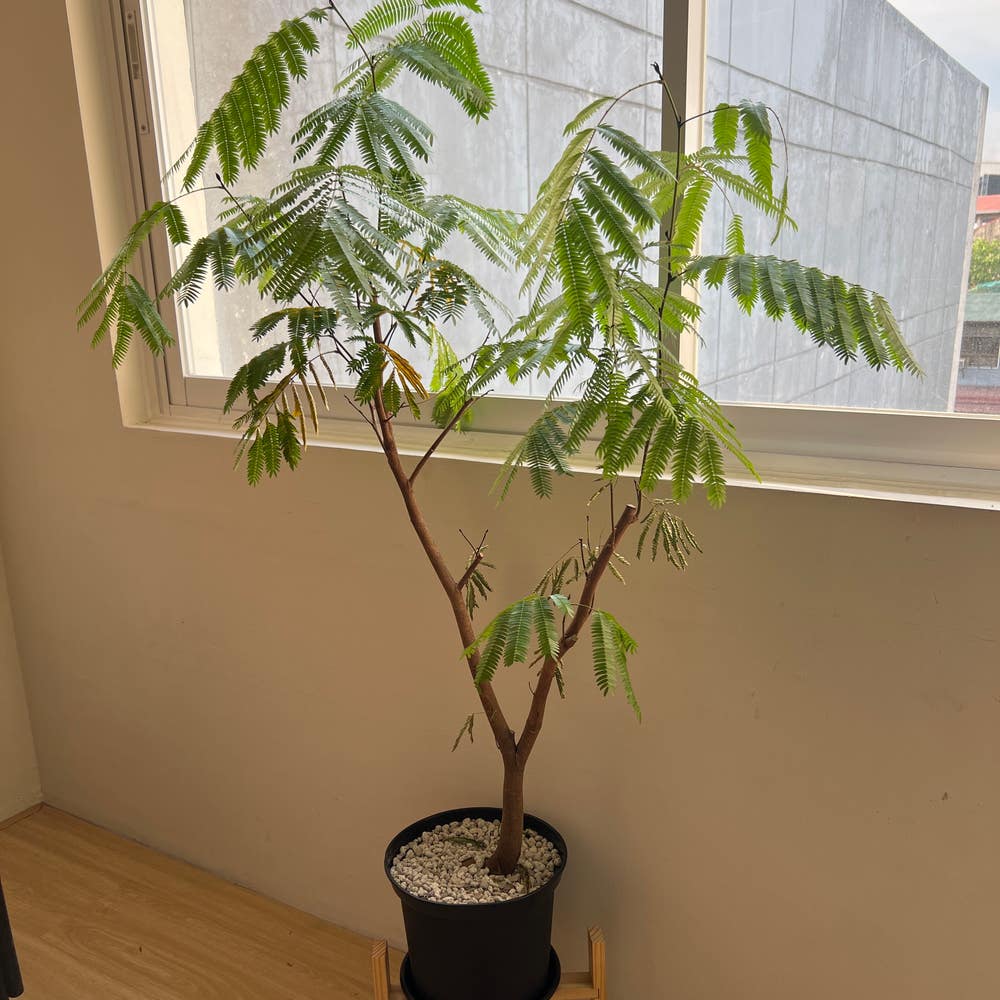
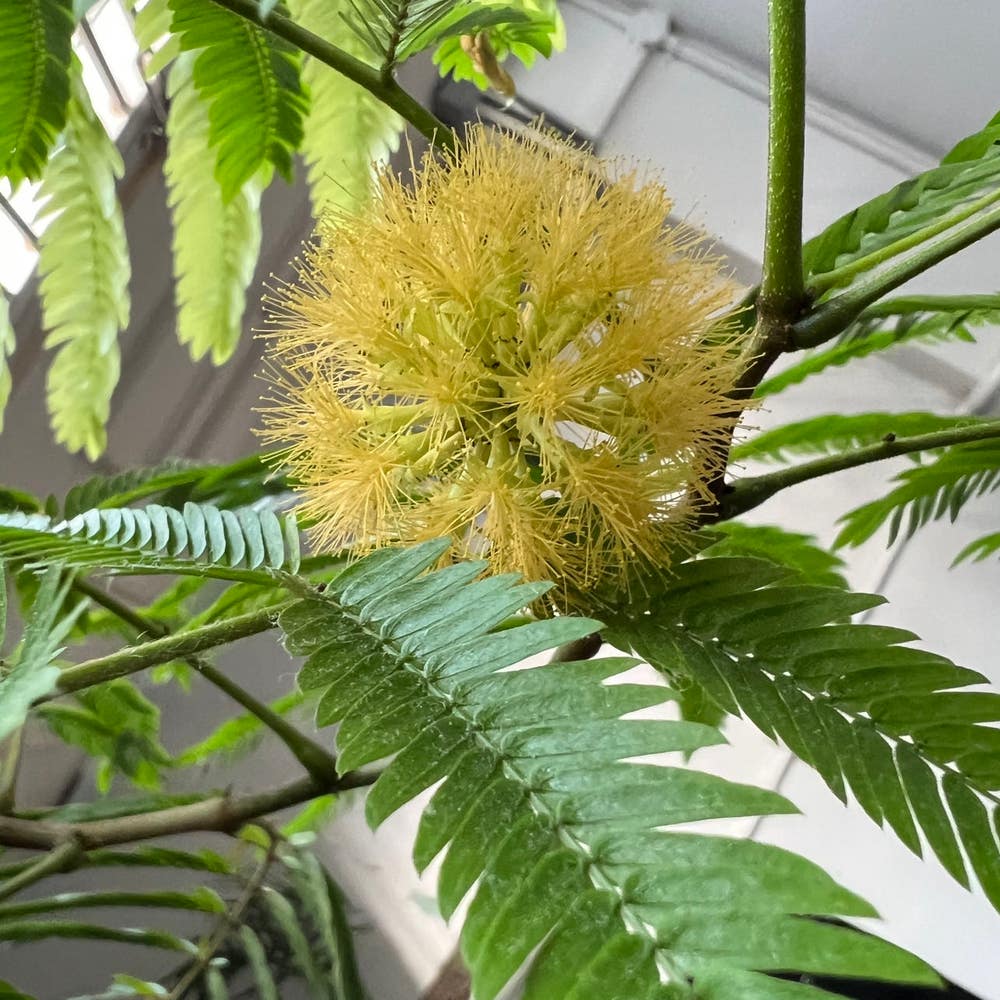
✂️ Step-by-Step Guide to Trimming Acle
Albizia acle
By the Greg Editorial Team
Nov 08, 2024•5 min read
This article was created with the help of AI so we can cover more plants for you. May contain errors. See one? Report it here.
Revitalize your Acle 🌱 with expert pruning tips for vibrant growth and stunning blooms all season long!
- 🌱 Prune Acle in early spring and late summer for optimal growth and health.
- ✂️ Signs of needed pruning include dense foliage and reduced flowering; act promptly!
- 🛠️ Essential tools: sharp shears, gloves, and disinfectant ensure effective and safe pruning.
When to Prune Acle
Best Seasons for Pruning Acle 🌱
Pruning Acle at the right time is crucial for its health and growth. The ideal times for pruning are early spring, just before new growth begins, and late summer, after the flowering has finished.
Signs That Acle Needs Pruning ✂️
Recognizing when Acle needs pruning can save you from potential issues. Look for dense foliage that blocks light to the lower leaves and signs of reduced flowering or leggy growth, which indicate that it's time to trim.
Timing Considerations Based on Climate 🌍
Climate plays a significant role in determining the best pruning time. In warmer climates, you may need to prune earlier in the spring, while cooler climates might require you to wait until after the last frost to ensure the plant's safety.
Understanding these factors will help you maintain a healthy and vibrant Acle, setting the stage for effective pruning techniques that follow.
How to Prune Acle
Step-by-Step Guide to Pruning Acle 🌿
Pruning Acle is a straightforward process that can enhance its health and appearance. Start by gathering your tools: sharp pruning shears, gloves, and disinfectant to keep everything clean.
Next, assess your plant for areas that need attention. Look for dead or damaged growth, which should be your first target.
- Remove Dead or Damaged Growth: Begin by cutting away any brown, brittle stems or leaves. This helps the plant focus its energy on healthy growth.
- Shape the Plant: Trim back overgrown branches to maintain a balanced shape. This not only improves aesthetics but also encourages better air circulation.
- Make Clean Cuts: Always cut at a 45-degree angle. This technique promotes optimal healing and reduces the risk of disease.
Techniques for Shaping Acle ✂️
To keep your Acle looking its best, consider these shaping techniques:
- Thin Crowded Areas: Remove excess foliage to improve air circulation. This prevents fungal issues and promotes healthy growth.
- Cut Back to a Leaf Node: This encourages bushier growth and helps the plant maintain a fuller appearance.
How to Remove Dead or Damaged Growth 🪴
Identifying dead or damaged branches is crucial for effective pruning. Look for signs like brown, brittle stems or leaves that have lost their vitality.
When you find these areas, cut back to healthy tissue. Ensure your cuts are clean to prevent introducing diseases that could harm your plant.
By following these steps, you'll not only enhance the health of your Acle but also enjoy a more vibrant garden. Ready to learn about deadheading next?
Deadheading Acle
🌼 What is Deadheading and Why It’s Important for Acle
Deadheading is the practice of removing spent flowers from your Acle plants. This simple act encourages further blooming and prevents the plant from diverting energy into seed formation, allowing it to focus on producing new growth.
✂️ Step-by-Step Instructions for Deadheading Acle
- Start by identifying spent flowers that have wilted or faded.
- Grab your clean pruning shears and cut the flower stem back to the nearest leaf node.
- Dispose of the removed flowers to keep pests and diseases at bay.
🌸 Benefits of Deadheading for Flowering and Plant Health
Deadheading not only encourages more blooms throughout the growing season but also helps maintain your plant's aesthetic appeal. By preventing a scraggly appearance, you ensure your Acle remains vibrant and healthy.
Incorporating deadheading into your regular care routine will enhance your Acle's beauty and vitality, setting the stage for a flourishing garden. Next, let’s explore common pruning mistakes to avoid for optimal plant health.
Common Pruning Mistakes
🚫 Mistakes to Avoid When Pruning Acle
Pruning Acle can be a rewarding task, but it’s easy to make mistakes that can harm your plant. One of the most common pitfalls is over-pruning, which involves removing too much foliage and can stress the plant, leading to reduced flowering.
Another mistake is incorrect timing. Pruning at the wrong season can damage new growth, leaving your Acle vulnerable and less vibrant.
🔍 How to Recognize Over-Pruning
Recognizing the signs of over-pruning is crucial for maintaining a healthy plant. Look out for yellowing leaves, stunted growth, or a noticeable reduction in flowering.
These indicators signal that your Acle may be struggling due to excessive pruning, so it’s essential to adjust your approach.
⚖️ Tips for Maintaining Balance in Acle’s Shape
To keep your Acle looking its best, regularly assess its shape and adjust your pruning techniques accordingly. Aim for a balanced approach by removing no more than one-third of the plant at a time.
This strategy helps maintain the plant's health while promoting a fuller, more attractive appearance.
By avoiding these common mistakes and following these tips, you can ensure your Acle thrives and flourishes beautifully. Next, let’s explore how to care for Acle after pruning to support its recovery and growth.
Post-Pruning Care for Acle
How to Care for Acle After Pruning 🌱
After pruning, it's crucial to give your Acle the care it needs to bounce back. Start by watering the plant thoroughly; this helps reduce stress and supports recovery.
Signs of Stress in Acle Post-Pruning 😟
Keep an eye out for signs that your Acle may be struggling. Indicators of stress include wilting, yellowing leaves, or a noticeable lack of new growth.
Fertilization and Watering After Pruning 🌿
To promote healthy regrowth, fertilize your Acle with a balanced fertilizer about 2-4 weeks after pruning. Additionally, maintain consistent watering; the soil should be moist but not waterlogged to ensure optimal conditions for recovery.
By following these post-pruning care tips, you'll set your Acle up for a thriving growing season. Next, let’s explore common pruning mistakes to avoid, ensuring your plant remains healthy and vibrant.
⚠️ Safety First
This content is for general information and may contain errors, omissions, or outdated details. It is not medical, veterinary advice, or an endorsement of therapeutic claims.
Always consult a qualified healthcare professional before using any plant as food, medicine, or supplement.
Never eat any plant (or feed one to pets) without confirming its identity with at least two trusted sources.
If you suspect poisoning, call Poison Control (800) 222-1222, the Pet Poison Helpline (800) 213-6680, or your local emergency service immediately.
Spotted an error? Please report it here.
Keep your Acle thriving 🌿 by using Greg's tailored reminders and expert tips to master the art of pruning for vibrant growth all year long!