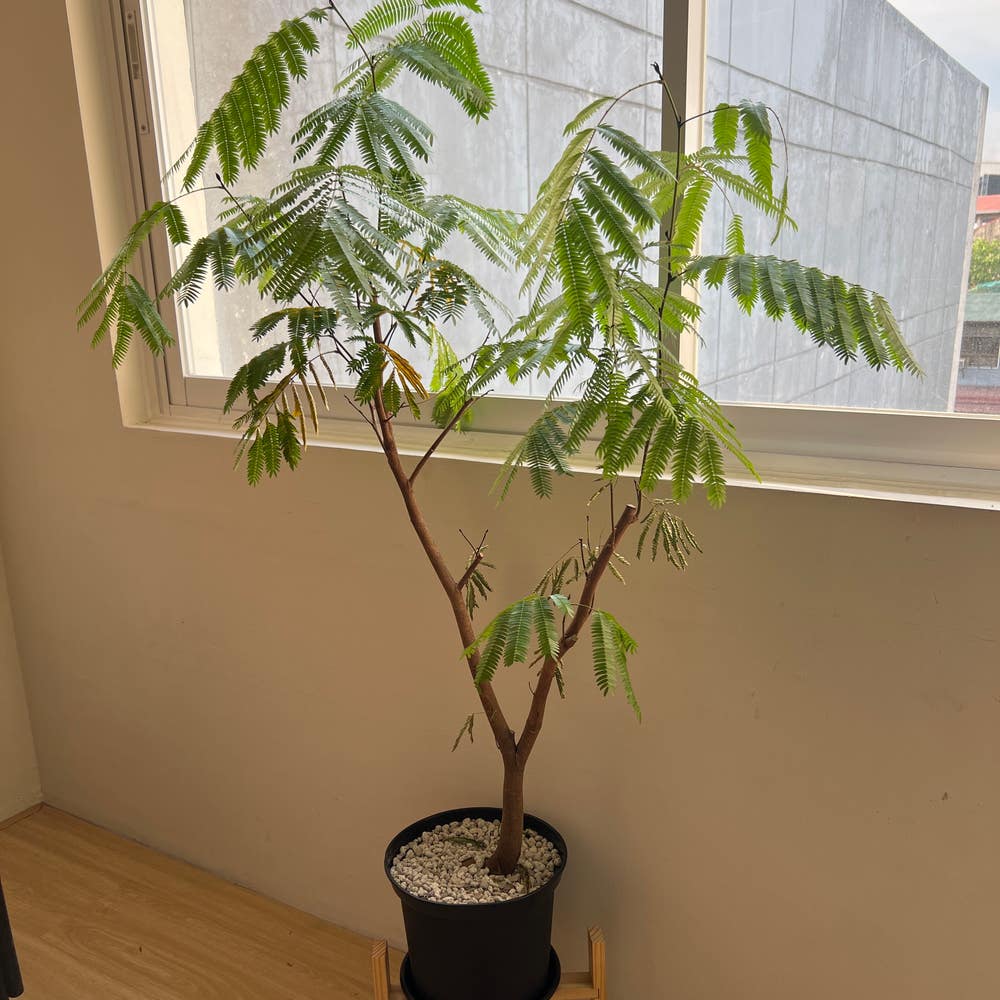
🐝 How and When to Pollinate Acle
Albizia acle
By the Greg Editorial Team
Nov 08, 2024•7 min read
This article was created with the help of AI so we can cover more plants for you. May contain errors. See one? Report it here.
Discover Acle's pollination secrets 🌱 to cultivate resilient plants and boost your garden's health!
- 🌼 Acle thrives on self-pollination, ensuring reproduction even without pollinators.
- 🐝 Cross-pollination boosts genetic diversity, leading to stronger Acle plants.
- 🌿 Hand pollination enhances fruit production, especially when timed correctly.
Pollination Requirements of Acle
Self-Pollination vs. Cross-Pollination 🌱
Acle exhibits a fascinating approach to pollination, primarily leaning towards self-pollination. This means that the plant can fertilize itself, which is a handy trait for ensuring reproduction even in isolated conditions.
However, cross-pollination plays a crucial role in enhancing genetic diversity. When Acle engages in cross-pollination, it mixes genetic material with other plants, leading to stronger offspring that can adapt better to environmental changes.
Understanding these pollination methods is vital for anyone looking to cultivate Acle successfully. Knowledge of whether your plants are self-pollinating or require a partner can significantly impact their health and reproductive success.
In essence, while self-pollination ensures a reliable reproduction method, cross-pollination enriches the genetic pool, making Acle more resilient. This duality highlights the importance of pollination in maintaining a thriving Acle population.
As we delve deeper into the flower structure, we will see how these characteristics further facilitate both self and cross-pollination.
Flower Structure
🌸 Description of Flower Structure
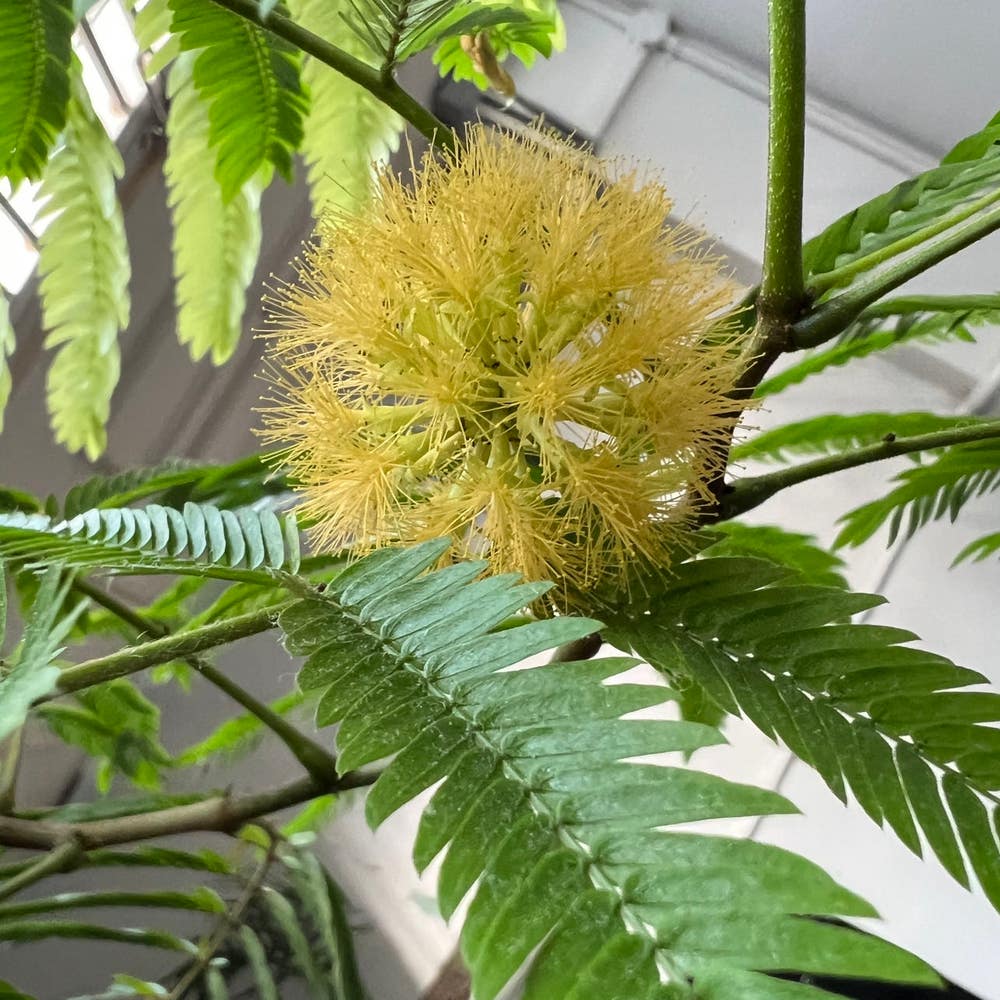
Acle flowers exhibit a distinctive tubular shape, which is not only visually appealing but also functional. This design helps facilitate the pollination process by allowing easy access for pollinators.
Color variations in Acle flowers range from vibrant yellows to soft pastels, each hue playing a crucial role in attracting pollinators. Bright colors signal to bees and butterflies, guiding them to the nectar-rich blooms.
The arrangement of petals, sepals, stamens, and pistils is meticulously structured. Petals often form a protective layer around the reproductive parts, while the stamens and pistils are strategically positioned to maximize pollen transfer.
🐝 Role of Flower Characteristics in Facilitating Pollination
The unique flower structure of Acle is essential for both self-pollination and attracting pollinators for cross-pollination. For instance, the tubular shape can encourage self-pollination by allowing pollen to fall directly onto the pistil.
Moreover, the vibrant colors and sweet scents of Acle flowers serve as powerful attractants for various pollinators. These characteristics not only enhance the chances of successful pollination but also contribute to the overall health and genetic diversity of the Acle population.
Understanding these flower traits is vital for anyone looking to cultivate Acle effectively. By appreciating how flower characteristics influence pollination, gardeners can create optimal conditions for Acle's growth and reproduction.
As we delve deeper into the pollination process, we’ll explore how Acle self-pollinates and the key pollinators that contribute to its success.
Pollination Process
🌼 Explanation of Self-Pollination Process
Acle has a fascinating self-pollination mechanism. The flower structure allows pollen to transfer from the stamens to the pistils within the same flower, ensuring reproduction even in the absence of external pollinators.
While self-pollination is effective, introducing additional pollination methods can significantly enhance fruit and seed production. This can lead to a more robust genetic diversity, which is crucial for the plant's resilience.
🐝 Identification of Primary Pollinators
Several key pollinator species play a vital role in Acle's pollination success.
- Bees: These industrious insects are attracted to Acle's nectar and help transfer pollen as they move from flower to flower.
- Butterflies: Their colorful presence not only adds beauty but also aids in cross-pollination, increasing genetic diversity.
- Moths: Active during twilight, moths are drawn to Acle's scent, contributing to its reproductive success.
- Hummingbirds: Their rapid movements and preference for nectar-rich flowers make them excellent pollinators for Acle.
Each of these pollinators interacts uniquely with Acle, ensuring effective pollination and a thriving ecosystem.
🎯 Attraction Mechanisms for Pollinators
Acle employs several features to attract its pollinators.
- Scent: The sweet fragrance of Acle flowers draws in bees and moths, signaling the availability of nectar.
- Nectar: A rich nectar supply serves as a reward for pollinators, encouraging them to visit multiple flowers.
- Visual Cues: Bright colors and distinct shapes of the flowers catch the eye of pollinators, guiding them toward the reproductive parts.
These attraction mechanisms are essential for Acle's pollination process, ensuring that both self-pollination and cross-pollination can occur effectively.
As we delve deeper into the world of Acle, understanding these processes will empower gardeners to support and enhance pollination efforts.
Hand Pollination
Hand pollination can be a rewarding process, especially for Acle enthusiasts. Here’s a straightforward guide to ensure your efforts yield fruitful results.
🌸 Identifying Male and Female Flower Parts
To begin, it's crucial to recognize the male and female parts of the Acle flower. The stamens are the male components, typically featuring slender filaments topped with pollen-filled anthers. In contrast, the pistils are the female parts, characterized by a bulbous ovary at the base and a slender style leading to the stigma.
🌾 Collecting Pollen
Once you've identified the male flowers, it's time to gather pollen. Gently shake or tap the anthers to release the pollen grains. Alternatively, you can use a small brush or cotton swab to collect pollen directly from the anthers, ensuring you have enough for effective transfer.
🐝 Transferring Pollen
Now, transfer the collected pollen to the female flowers. Carefully apply the pollen to the stigma of the pistil using the same brush or swab. Make sure to cover the stigma thoroughly for optimal fertilization chances.
⏰ Timing for Successful Fertilization
Timing is key for successful hand pollination. Aim to pollinate during the early morning or late afternoon when flowers are most receptive. This is typically when the flowers are fully open and the humidity levels are higher, enhancing the likelihood of successful fertilization.
Hand pollination can significantly boost your Acle's fruit and seed production. With these steps, you can take an active role in your plant's reproductive success, ensuring a bountiful harvest. Next, let’s explore how to create a pollinator-friendly environment to support your Acle and its pollinators.
Supporting Pollinators
🌼 Creating a Pollinator-Friendly Environment
Designing a garden that attracts and supports pollinators is essential for the health of Acle and its ecosystem. Start by incorporating a variety of flowering plants that bloom at different times, ensuring a continuous food source throughout the growing season.
Diverse plantings not only provide nectar and pollen but also create habitats for various pollinators. Minimize pesticide use, as these chemicals can harm beneficial insects. Instead, opt for organic pest control methods to maintain a thriving pollinator population.
🌿 Companion Plants that Attract Beneficial Pollinators
Companion planting can significantly enhance pollinator activity around Acle. Consider adding plants like lavender, echinacea, and marigolds, which are known to attract bees, butterflies, and other helpful insects.
These companion plants not only draw in pollinators but also contribute to a supportive ecosystem for Acle. By fostering a diverse garden, you create a vibrant environment that encourages pollination and boosts the overall health of your plants.
Incorporating these strategies will not only benefit Acle but also promote a flourishing garden that supports the vital role of pollinators. As we move forward, let’s explore the challenges that can arise in the pollination process and how to overcome them.
Pollination Challenges
🌪️ Common Obstacles to Successful Pollination
Pollination can be significantly affected by environmental factors. Temperature fluctuations and high humidity levels can disrupt the delicate balance needed for effective pollination.
Additionally, habitat loss poses a serious threat to pollinator populations. As natural spaces shrink, the diversity of pollinators diminishes, leading to challenges in Acle's reproduction.
🛠️ Solutions for Overcoming Pollination Challenges
Gardeners can take proactive steps to enhance pollination success. Creating a diverse planting scheme can attract a variety of pollinators, ensuring that Acle receives the attention it needs.
Adjusting care practices based on environmental conditions is also crucial. For instance, providing shade during extreme heat or ensuring adequate moisture can create a more favorable environment for pollinators.
By implementing these strategies, you can foster a thriving ecosystem that supports Acle and its pollination needs. This not only benefits your plants but also contributes to the overall health of the environment.
⚠️ Safety First
This content is for general information and may contain errors, omissions, or outdated details. It is not medical, veterinary advice, or an endorsement of therapeutic claims.
Always consult a qualified healthcare professional before using any plant as food, medicine, or supplement.
Never eat any plant (or feed one to pets) without confirming its identity with at least two trusted sources.
If you suspect poisoning, call Poison Control (800) 222-1222, the Pet Poison Helpline (800) 213-6680, or your local emergency service immediately.
Spotted an error? Please report it here.
Pollinating your Acle for vibrant blooms 🌼 is a breeze with Greg's personalized tips and reminders to foster a thriving garden environment!