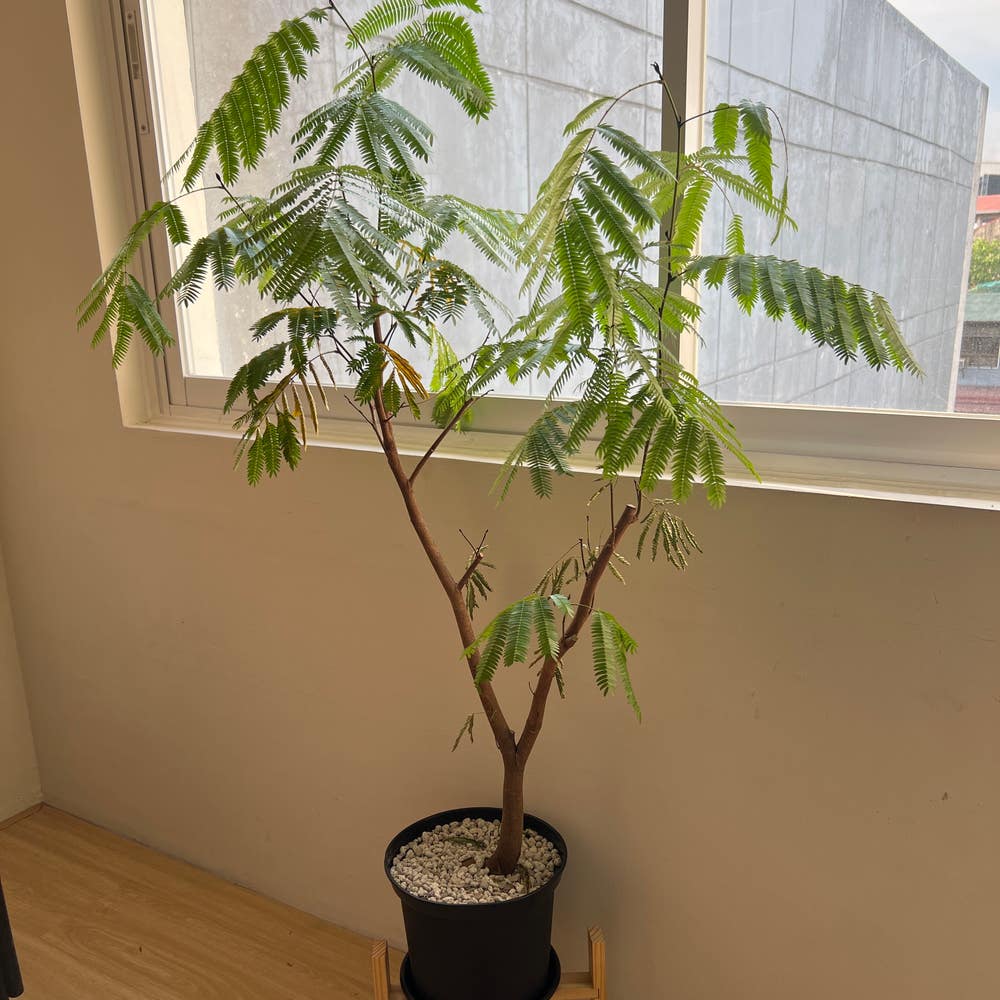
🍃 Managing Black Spots on Your Acle Leaves
Albizia acle
By the Greg Editorial Team
Nov 08, 2024•6 min read
This article was created with the help of AI so we can cover more plants for you. May contain errors. See one? Report it here.
Revive your Acle's vitality 🌿 by swiftly diagnosing and treating those pesky black spots for thriving growth!
- 🌡️ Maintain humidity between 50-70% to prevent black spots on Acle leaves.
- 🐜 Regularly inspect for pests like spider mites to catch infestations early.
- 🌱 Use well-draining soil and monitor moisture to avoid overwatering and black spots.
Diagnosing the Problem
🌍 Assessing Environmental Factors Contributing to Black Spots
Evaluating Humidity Levels
Humidity plays a crucial role in the health of your Acle. The ideal range is between 50-70% humidity, which helps prevent black spots on leaves.
To improve air circulation, consider using a fan or placing your plant in a more open area. This can help maintain the necessary humidity levels while reducing the risk of fungal infections.
Temperature Checks
Temperature is another vital factor for Acle health. The optimal range is between 20°C to 30°C (68°F to 86°F).
Extreme temperatures can stress your plant, leading to black spots and other issues. Ensure your Acle is kept in a stable environment to promote its well-being.
🐛 Checking for Pests That May Cause Leaf Damage
Common Pests Affecting Acle
Pests can wreak havoc on your Acle leaves. Common culprits include spider mites, which leave behind webbing and stippling on the leaves, and aphids, known for their sticky residue and distorted growth.
Identifying these pests early is essential for effective treatment. Regularly inspect your plant for signs of infestation.
Methods for Pest Identification
Visual inspection is your first line of defense against pests. Look closely at the leaves and stems for any unusual signs.
Using sticky traps can also help catch pests before they become a bigger problem. These traps are a simple yet effective way to monitor pest activity.
💧 Analyzing Watering Practices and Soil Conditions
Importance of Proper Watering Techniques
Watering practices significantly impact your Acle's health. It's crucial to allow the soil to dry out between waterings to prevent overwatering.
Signs of overwatering include soggy soil and root rot, which can lead to black spots on leaves. Adjust your watering schedule accordingly to keep your plant thriving.
Soil Conditions for Optimal Acle Health
The right soil is essential for your Acle's success. A well-draining potting mix is recommended to promote healthy root growth.
Additionally, maintaining a pH level between 6.0 to 7.0 will ensure your plant can absorb nutrients effectively. Regularly check your soil conditions to keep your Acle in top shape.
In summary, diagnosing the problem with black spots on your Acle leaves involves assessing environmental factors, checking for pests, and analyzing watering practices and soil conditions. By addressing these areas, you can set your plant up for success and transition smoothly into treatment options.
Treatment Options
Step-by-Step Guide to Treating Black Spots on Acle Leaves 🌱
Treating black spots on your Acle leaves requires a systematic approach. Start by identifying whether the infection is fungal or bacterial, as this will dictate your treatment method.
Next, remove any affected leaves using sterilized tools to prevent further spread. This step is crucial for maintaining the overall health of your plant.
Adjust your watering practices to avoid overwatering, which can exacerbate the problem. Ensure the soil dries out between waterings to promote healthy root growth.
Apply appropriate fungicides or natural remedies based on your diagnosis. Regularly monitor your plant's health for signs of improvement or any new symptoms.
Recommended Fungicides and Natural Remedies 🧪
When it comes to chemical treatments, specific fungicides are effective against Acle leaf diseases. Follow the application frequency and method recommended on the product label for the best results.
For those preferring natural remedies, neem oil is a powerful option against fungal infections. Additionally, a simple homemade solution of baking soda and water can help combat mild cases.
Importance of Pruning Affected Leaves ✂️
Pruning is a vital step in treating black spots. Use clean, sharp pruning shears to remove affected leaves, ensuring you minimize the risk of spreading the infection.
Timing is also important; prune during dry weather to reduce moisture that could encourage disease. This practice not only helps eliminate the problem but also encourages new growth and improves air circulation around your Acle.
By following these treatment options, you can effectively manage black spots and promote a healthier plant. Next, let’s explore preventive measures to keep your Acle thriving.
Preventive Measures
🌱 Best Practices for Acle Care to Prevent Black Spots
Regular maintenance is key to keeping your Acle healthy and free from black spots. Start by cleaning the leaves regularly to remove any fungal spores that may settle on them.
Ensure adequate spacing between plants to promote airflow. This simple step can significantly reduce the risk of fungal infections.
Healthy plant nutrition is also crucial. Follow a fertilization schedule using a balanced NPK fertilizer every 4-6 weeks to support robust growth.
💧 Ideal Watering Techniques and Soil Management
Watering practices play a vital role in Acle health. Employ deep watering techniques to encourage strong root growth, ensuring the water reaches the deeper soil layers.
Be vigilant for signs of underwatering, such as leaf droop and dryness. These indicators can help you adjust your watering routine promptly.
Soil management is equally important. Use a well-draining potting mix to prevent waterlogging, which can lead to root rot.
Regularly check soil moisture levels to maintain the right balance. This practice will help you avoid both overwatering and underwatering.
🌞 Environmental Conditions That Promote Healthy Acle Growth
Creating optimal growing conditions is essential for your Acle's well-being. Aim for bright, indirect sunlight, which is ideal for photosynthesis without causing leaf scorch.
Maintaining humidity levels is another critical factor. Consider using misting or pebble trays to keep the humidity within the ideal range for your plant.
By implementing these preventive measures, you can significantly reduce the chances of black spots developing on your Acle leaves. This proactive approach not only enhances plant health but also fosters a thriving indoor garden.
As you continue to care for your Acle, remember that regular monitoring and adjustments are key to long-term success.
Monitoring and Maintenance
🕵️♂️ Regular Inspection of Acle Leaves for Early Signs of Black Spots
To keep your Acle healthy, conduct weekly inspections for any new symptoms. Look closely for changes in leaf color, texture, and the presence of black spots.
🌦️ Seasonal Care Adjustments to Minimize Risk
Adjust your care practices with the changing seasons to minimize risks. In winter, reduce watering and keep an eye out for pests; during summer, increase humidity and ensure your Acle gets adequate light.
📓 Record-Keeping for Plant Health and Treatment Effectiveness
Maintaining a care journal is crucial for tracking your plant's health. Document your watering schedules, treatments, and any observed changes to analyze data for future care improvements.
By keeping a close watch on your Acle and adjusting your care routine seasonally, you can significantly reduce the risk of black spots and promote a thriving plant. This proactive approach not only enhances your Acle's health but also deepens your understanding of its needs.
⚠️ Safety First
This content is for general information and may contain errors, omissions, or outdated details. It is not medical, veterinary advice, or an endorsement of therapeutic claims.
Always consult a qualified healthcare professional before using any plant as food, medicine, or supplement.
Never eat any plant (or feed one to pets) without confirming its identity with at least two trusted sources.
If you suspect poisoning, call Poison Control (800) 222-1222, the Pet Poison Helpline (800) 213-6680, or your local emergency service immediately.
Spotted an error? Please report it here.
Keep your Acle spot-free 🌿 by using Greg's tailored care reminders to maintain optimal humidity and temperature while monitoring for pests!