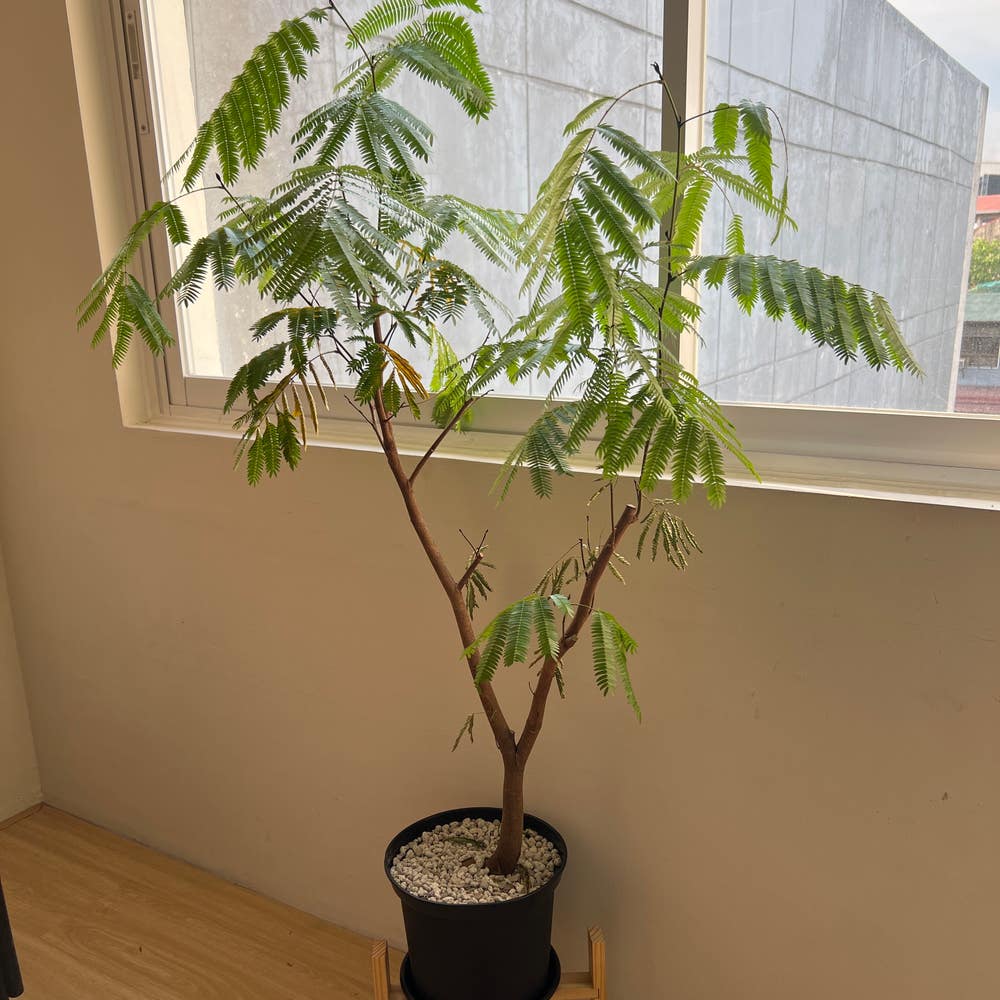
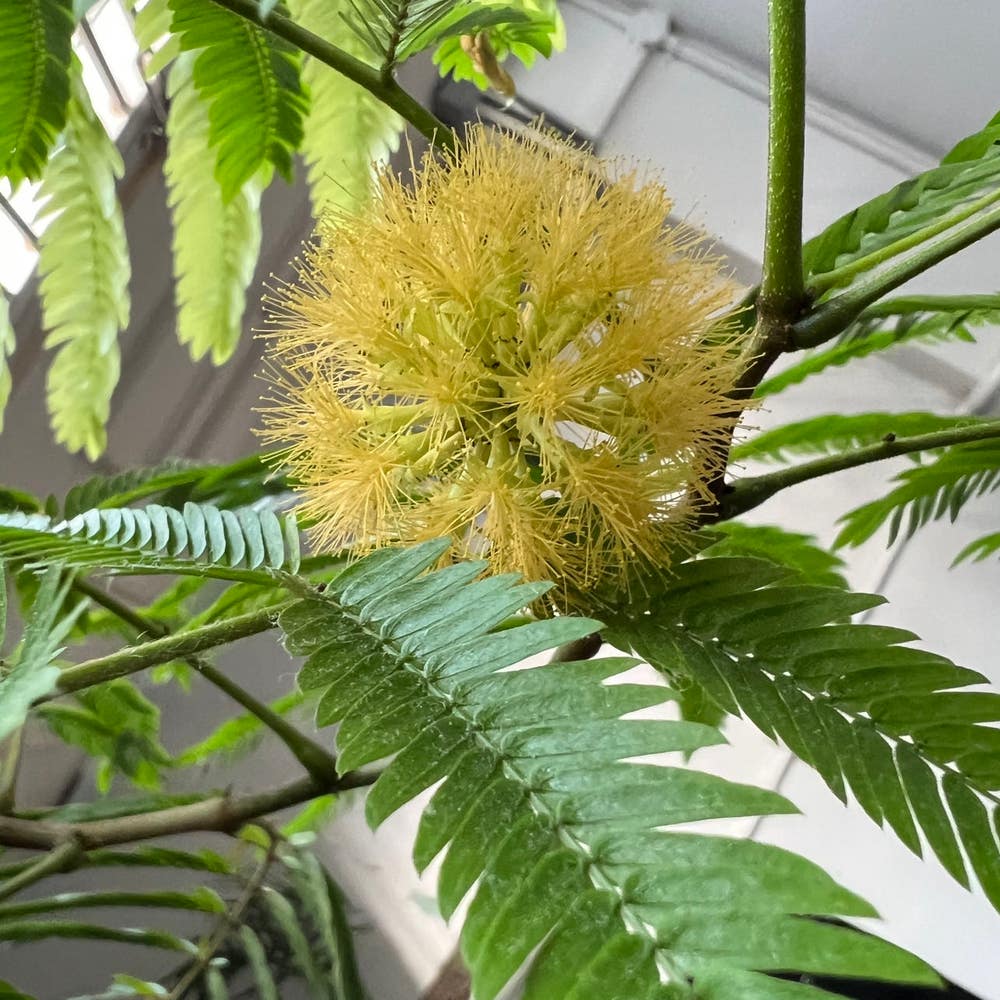
📅 Why Acle Is Not an Annual
Albizia acle
By the Greg Editorial Team
Nov 08, 2024•6 min read
This article was created with the help of AI so we can cover more plants for you. May contain errors. See one? Report it here.
Unlock the secret to a vibrant, resilient garden with Acle's enduring beauty and unique traits! 🌿
- 🌱 Acle is a perennial, thriving for years unlike short-lived annuals.
- 🌍 Adaptable genetics allow Acle to survive diverse environmental conditions.
- 🌼 Multiple flowering periods enhance garden aesthetics throughout the seasons.
Acle's Perennial Nature
🌱 Genetic Characteristics
Acle's genetic makeup is uniquely structured to support its perennial growth. This stability allows it to thrive year after year, unlike annuals that rely on genetic variability for quick life cycles.
Adaptations play a crucial role in Acle's survival across seasons. These traits enable it to withstand environmental changes that would typically challenge less resilient plants.
🌿 Physiological Traits
The root system of Acle is deep and extensive, allowing for efficient nutrient and water absorption. This robust foundation is essential for its long-term survival and growth.
Acle's leaf structure is specifically adapted for long-term photosynthesis. This adaptation ensures that it can harness sunlight effectively, even during less favorable conditions.
Additionally, Acle has the remarkable ability to enter dormancy during unfavorable conditions. This physiological trait allows it to conserve energy and resources until conditions improve.
⏳ Long-Term Lifecycle
Acle undergoes several growth phases, starting with initial establishment, followed by maturation and sustained growth. This gradual progression is a hallmark of its perennial nature.
With the potential to live for several years, Acle exhibits continuous growth and flowering. This longevity sets it apart from annuals, which complete their life cycle in a single season.
Seasonal behavior in Acle is dynamic, with noticeable changes in growth and flowering patterns throughout the year. This adaptability not only enhances its resilience but also adds visual interest to gardens across seasons.
As we delve deeper into Acle's growth and reproductive strategies, we will explore how its unique characteristics contribute to its success in various environments.
Growth and Reproductive Strategies
🌱 Growth Patterns Compared to Annuals
Acle exhibits a slower initial growth rate compared to annuals, but this is part of its strategy for long-term survival. While annuals rush to complete their life cycle in one season, Acle builds its strength over multiple years, establishing a robust foundation.
This perennial plant showcases remarkable resilience, bouncing back from seasonal stressors like drought or frost. Unlike annuals, which may falter under adverse conditions, Acle's deep-root system allows it to thrive even when the going gets tough.
🌼 Flowering Cycles
Acle's flowering cycles are a testament to its perennial nature. It boasts multiple flowering periods throughout its lifecycle, providing a feast for the eyes across seasons.
The blooming duration of Acle is significantly extended compared to annuals, ensuring that gardens remain vibrant for longer. Its clever pollination strategies attract a variety of pollinators year after year, fostering a healthy ecosystem.
🌾 Seed Production and Dispersal
One of Acle's standout features is its continuous seed production over multiple seasons. This ongoing process ensures that the plant can maintain its population and adapt to changing environments.
Acle employs various dispersal methods, including wind, water, and animal-mediated strategies, to spread its seeds far and wide. In contrast to annuals, which produce seeds once and die, Acle's seeds can remain viable for years, ready to sprout when conditions are favorable.
With its unique growth and reproductive strategies, Acle stands out as a resilient and enduring choice for any garden. As we delve deeper into misconceptions and exceptions, we'll explore how Acle's characteristics can sometimes lead to misunderstandings about its perennial nature.
Misconceptions and Exceptions
🧐 Situations Where Acle May Be Mistaken for an Annual
Acle can often be misidentified as an annual due to various environmental stressors. For instance, during periods of drought or extreme temperatures, its growth may slow significantly, leading observers to believe it has perished.
Improper care can also contribute to this misconception. Overwatering or nutrient deficiencies can stunt Acle's growth, making it appear lifeless when, in fact, it is simply struggling to thrive.
🌍 Regional Variations Affecting Classification
Climate plays a crucial role in how Acle is perceived. In harsher climates, its growth may be stunted, leading gardeners to mistakenly classify it as an annual.
Soil conditions further complicate this classification. Variability in soil quality can affect Acle's health, influencing its growth patterns and overall vitality.
Local gardening practices can also impact how Acle is treated. Trends in regional gardening may lead to misunderstandings about its perennial nature, causing gardeners to overlook its long-term potential.
Understanding these misconceptions is vital for appreciating Acle's true nature. By recognizing the factors that influence its growth, gardeners can better support this resilient perennial and enjoy its beauty for years to come.
Next, we will explore how to effectively integrate Acle into garden designs for maximum impact.
Garden Design and Planning
🌱 Advantages in Perennial Garden Designs
Planting perennials like Acle is a smart long-term investment. Unlike annuals, which require replanting each season, Acle establishes itself and continues to thrive year after year.
Biodiversity is another significant advantage. Acle's unique traits contribute to a richer ecosystem, attracting various pollinators and beneficial insects that enhance the overall health of your garden.
Additionally, Acle offers seasonal interest. With continuous blooms and vibrant foliage throughout the year, it ensures your garden remains lively and visually appealing, no matter the season.
🌼 Tips for Integrating Acle
When integrating Acle into your garden, consider companion planting. Pairing Acle with compatible plants can create a harmonious environment that benefits all species involved.
Spacing is crucial for optimal growth. Ensure adequate space between plants to promote air circulation and reduce competition for nutrients, allowing Acle to flourish.
Finally, think about design themes. Acle can fit beautifully into various garden styles, from charming cottage gardens to sleek modern landscapes, adding versatility to your design.
Incorporating Acle into your garden not only enhances its beauty but also supports a sustainable ecosystem. As you plan, keep these tips in mind to create a thriving, perennial paradise.
Maximizing Longevity
Best Practices for Management 🌱
Maintaining Acle's health starts with soil health. Nutrient-rich soil is essential for supporting robust growth and ensuring your plant thrives year after year.
Proper watering techniques are also crucial. Establish a consistent watering schedule that allows the soil to dry slightly between waterings, promoting deep root growth.
Pruning is another key practice. Regularly trim back dead or damaged growth to encourage new blooms and maintain a healthy structure.
Seasonal Care Considerations 🌸
In spring, focus on fertilization and supporting early growth. This is the time to give Acle a nutrient boost to kickstart its growing season.
During summer, prioritize watering and pest management. Keep an eye out for pests that may disrupt growth and ensure the plant receives adequate moisture.
As fall approaches, prepare Acle for dormancy. This involves reducing watering and providing protection against harsh winter conditions.
Common Challenges and Solutions 🐛
Pest issues can arise, so it's important to identify and manage common pests affecting Acle. Regular inspections can help catch problems early.
Disease prevention is vital for long-term health. Implement strategies to prevent fungal and bacterial diseases, such as ensuring good air circulation and avoiding overhead watering.
Lastly, be aware of environmental stressors. Develop solutions to mitigate the effects of drought or extreme weather conditions, ensuring Acle remains resilient through the seasons.
With these practices, you can maximize the longevity of Acle in your garden, ensuring it continues to flourish year after year. Next, let's explore how to integrate Acle into your garden design effectively.
⚠️ Safety First
This content is for general information and may contain errors, omissions, or outdated details. It is not medical, veterinary advice, or an endorsement of therapeutic claims.
Always consult a qualified healthcare professional before using any plant as food, medicine, or supplement.
Never eat any plant (or feed one to pets) without confirming its identity with at least two trusted sources.
If you suspect poisoning, call Poison Control (800) 222-1222, the Pet Poison Helpline (800) 213-6680, or your local emergency service immediately.
Spotted an error? Please report it here.
Embrace Acle's perennial beauty 🌼 by using Greg's personalized care reminders to keep your plant thriving through every season!