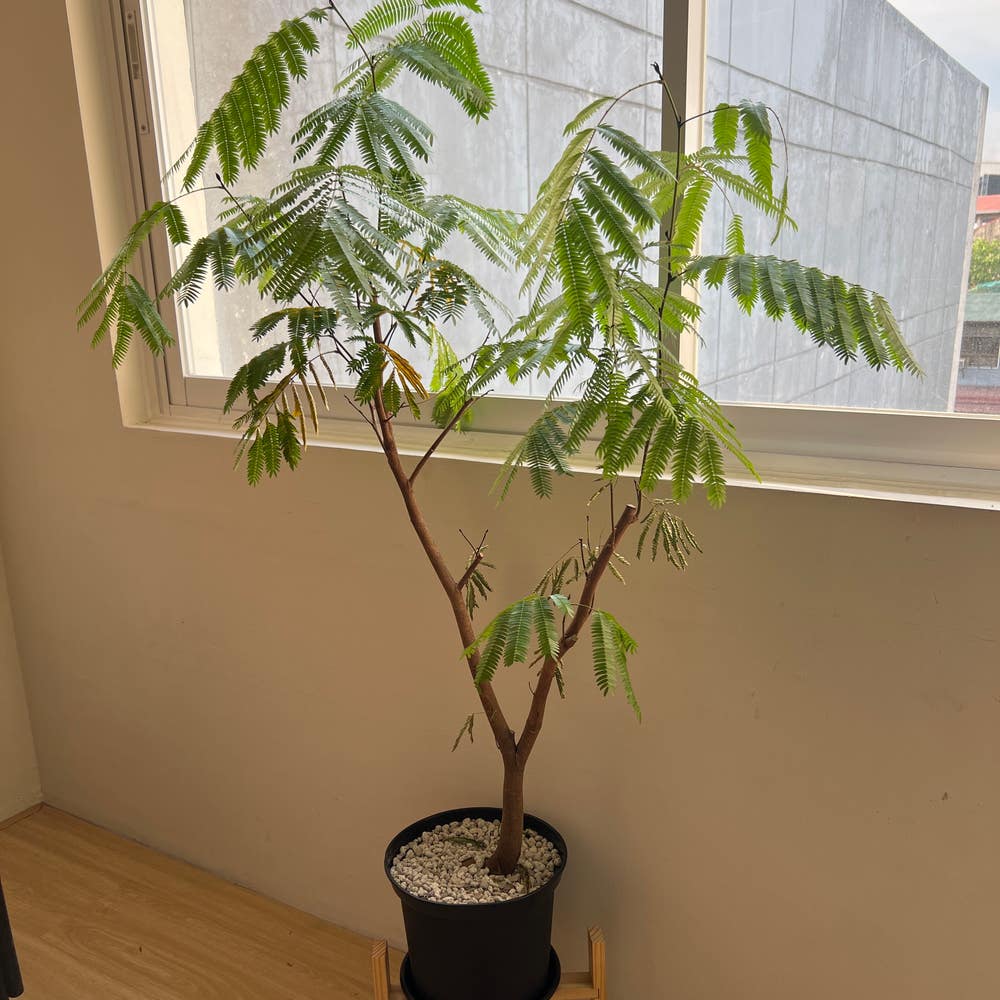
🌸 9 Tips for Blooming Your Acle
Albizia acle
By the Greg Editorial Team
Nov 08, 2024•5 min read
This article was created with the help of AI so we can cover more plants for you. May contain errors. See one? Report it here.
Unlock Acle's vibrant blooms or enjoy its stunning foliage, no matter the season! 🌸🌿
- 🌼 Acle's blooming potential varies by species and environmental conditions—know your type!
- ☀️ Ensure 6-8 hours of sunlight and nutrient-rich soil to encourage blooming.
- 🌿 Acle thrives in diverse conditions, offering beauty even without flowers.
Flowering Status of Acle
🌸 Clarification on Flower Production
Acle's flowering potential is not a one-size-fits-all scenario. It varies significantly depending on the species and the environmental conditions they thrive in.
Some Acle varieties are celebrated for their vibrant flowers, while others are primarily grown for their lush foliage. Understanding this distinction is key for any plant enthusiast.
🚫 Reasons for Non-Flowering
Not all Acle types are designed to bloom. Certain varieties focus their energy on producing stunning leaves instead of flowers, which can be a delightful feature in itself.
Environmental factors play a crucial role in flowering. Insufficient light, extreme temperatures, or poor soil quality can all inhibit the blooming process, leaving some plants without flowers altogether.
If Acle Does Flower
🌸 Flower Characteristics
Description of Flower Colors and Structure
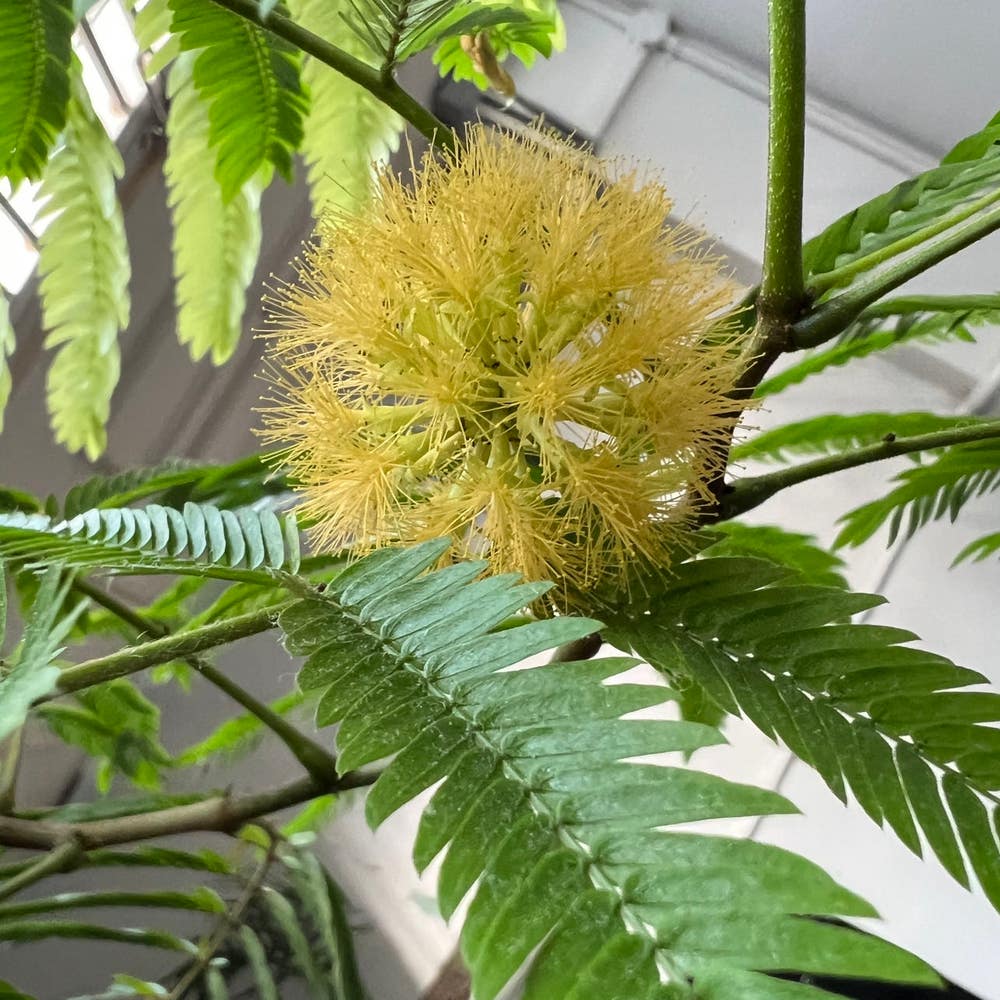
Acle flowers showcase a vibrant palette, ranging from delicate whites to sunny yellows and rich purples. The structure typically features striking flower spikes with a unique petal arrangement that adds visual interest to any garden.
Self-Pollination vs. External Pollination
Acle can be either self-pollinating or reliant on external pollinators, depending on the species. Understanding this is crucial, as effective pollination directly impacts fruit and seed production.
🌼 Blooming Process
Stages of Blooming and Typical Bloom Time
The blooming process unfolds in distinct stages: bud formation, opening, and reaching full bloom. Typically, Acle flowers bloom seasonally, with peak periods varying by species and environmental conditions.
Duration from Bud Formation to Full Bloom
From bud appearance to full bloom, Acle generally takes about 2 to 4 weeks. This timeframe can fluctuate based on specific growing conditions.
Lifespan of Flowers
Once in full bloom, Acle flowers usually remain vibrant for several days before wilting. Their lifespan can vary, but they often provide a delightful display for a significant period.
🌱 Encouraging Blooms
Tips for Encouraging Acle to Bloom
To encourage Acle to bloom, consider these essential tips:
- Optimal light exposure: Ensure your Acle receives 6-8 hours of sunlight daily.
- Soil quality: Use well-draining, nutrient-rich soil to support healthy growth.
- Fertilization: Apply a balanced fertilizer during the growing season to boost flowering.
- Watering practices: Maintain consistent moisture without waterlogging the roots.
Factors Influencing Flowering
Environmental conditions play a vital role in blooming. Factors like temperature, humidity, and seasonal changes can significantly affect flowering success. Additionally, proper care practices, such as pruning and deadheading, are crucial for promoting new blooms.
🌿 Post-Flowering
What Happens After the Flowering Period
After flowering, Acle may exhibit various behaviors, including leaf retention or entering a dormant phase. Adjusting care during this time is essential to support the plant's health and prepare it for future growth.
Discussion on Whether Acle Dies After Flowering
Most Acle varieties do not die after flowering; instead, they may enter a dormant phase. This resilience allows them to thrive and bloom again in the next growing season.
With these insights, you can better understand the blooming process of Acle and how to encourage its vibrant flowers. Next, we’ll explore what happens when Acle doesn’t flower, focusing on its ornamental features and reproductive strategies.
If Acle Doesn't Flower
Primary Ornamental or Functional Features 🌿
While some Acle varieties may not produce flowers, their foliage can be a stunning focal point in any garden. The leaves come in various shapes, from broad and lush to slender and delicate, showcasing a palette of colors that ranges from deep greens to vibrant variegated patterns.
These unique leaf textures and colors not only enhance visual appeal but also serve practical purposes. Acle plants can be used effectively in landscaping to create lush borders, provide ground cover, or even as indoor houseplants that brighten up any space.
Reproductive Strategies Without Flowers 🌱
Even without flowers, Acle has clever ways to reproduce. One of the primary methods is through vegetative propagation, where the plant can grow new individuals from cuttings or offsets, ensuring its survival and spread.
Foliage plays a crucial role in this process, as healthy leaves are vital for photosynthesis and overall plant vigor. This means that even without blooms, Acle can thrive and maintain its aesthetic charm, making it a resilient choice for gardeners.
Unique Aspects of Acle
🌼 Unusual Characteristics Related to Flowering or Non-Flowering Nature
Acle plants exhibit fascinating adaptations regarding their flowering capabilities. Some species have evolved to prioritize foliage over flowers, thriving in environments where flowering may not be advantageous.
Variations among Acle species can be striking. While some bloom vibrantly, others focus on lush leaves, showcasing a range of textures and colors that enhance their ornamental appeal.
📚 Interesting Facts or Trivia About Acle's Reproductive Strategy
Did you know that Acle can thrive in diverse environments? Its resilience allows it to adapt, whether in sunny gardens or shaded indoor spaces.
Culturally, Acle has been valued in landscaping for its unique aesthetic and practical uses. Historically, gardeners have appreciated its ability to maintain beauty even without flowers, making it a staple in many designs.
⚠️ Safety First
This content is for general information and may contain errors, omissions, or outdated details. It is not medical, veterinary advice, or an endorsement of therapeutic claims.
Always consult a qualified healthcare professional before using any plant as food, medicine, or supplement.
Never eat any plant (or feed one to pets) without confirming its identity with at least two trusted sources.
If you suspect poisoning, call Poison Control (800) 222-1222, the Pet Poison Helpline (800) 213-6680, or your local emergency service immediately.
Spotted an error? Please report it here.
Transform your Acle into a flowering masterpiece 🌸 with these tips, and let Greg provide tailored care reminders to help you nurture its vibrant blooms!