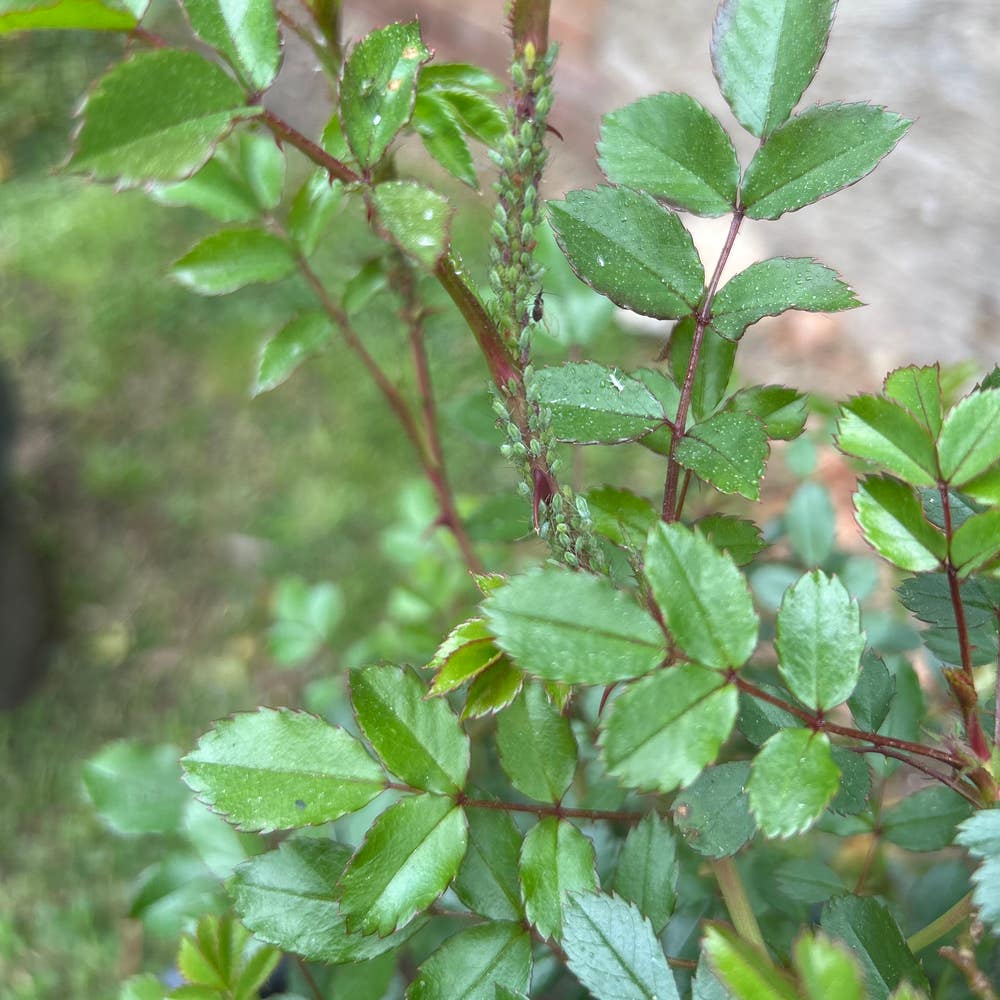
What It Means When Your Rambling Rose Wilts 🌹
Rosa spp.
By the Greg Editorial Team
Oct 18, 2024•5 min read
This article was created with the help of AI so we can cover more plants for you. May contain errors. See one? Report it here.
- 🌱 Wilting in rambling roses often results from water stress, heat, or diseases.
- 💧 Adjust watering practices to prevent drooping leaves from overwatering or underwatering.
- 🌞 Provide shade and mulch to manage heat stress and retain soil moisture.
Common Causes of Wilting Leaves
💧 Water Stress
Water stress is a leading cause of wilting in plants, and it can stem from both overwatering and underwatering. Overwatering suffocates roots, while underwatering deprives them of essential moisture.
Signs of water stress include drooping leaves and dry, crispy edges or yellowing. If your plant exhibits these symptoms, it’s time to reassess your watering habits.
🌡️ Heat Stress
High temperatures can also contribute to wilting. When the heat is intense, plants may struggle to maintain hydration.
Symptoms of heat stress often manifest as leaves wilting during the hottest part of the day, along with leaf scorch or browning tips. Providing shade during peak sun hours can help mitigate these effects.
🦠 Disease-Related Wilting
While less common, certain diseases can lead to wilting. These issues often arise suddenly, without the preceding signs of water stress.
Signs of disease-related wilting include sudden wilting and the presence of spots or discoloration on leaves. If you notice these symptoms, it’s crucial to investigate further to determine the underlying cause.
Understanding these common causes of wilting leaves can help you take proactive measures to keep your plants healthy and thriving. Next, we’ll explore how to diagnose wilting effectively.
Diagnosing Wilting
🌱 Step-by-Step Guide to Diagnose Wilting
Assess Soil Moisture
Start by checking the top inch of soil. If it feels dry, your plant may be thirsty; if it’s soggy, you might be overwatering.Observe Environmental Conditions
Take note of any recent temperature changes. Prolonged heat can stress your plant, leading to wilting.Inspect Leaves for Signs of Disease
Look for discoloration, spots, or unusual growth patterns on the leaves. These can indicate underlying health issues.Evaluate Watering Practices
Review how often and how much you water. Adjusting your routine can make a significant difference in your plant's health.
👀 Signs to Look For
Water Stress Indicators
- Drooping leaves and dry, crispy edges signal underwatering.
- Yellowing leaves can also indicate a lack of water.
Heat Stress Symptoms
- Leaves wilting during the hottest part of the day is a clear sign.
- Look for leaf scorch or browning tips as additional indicators.
Disease-Related Visual Cues
- Sudden wilting without prior signs of water stress can be alarming.
- Spots or discoloration on leaves often suggest a disease issue.
By carefully diagnosing the cause of wilting, you can take targeted action to revive your rambling rose. Understanding these signs will help you transition smoothly into finding effective solutions for wilting leaves.
Solutions for Wilting Leaves
🌊 Addressing Water Stress
Water stress is a common culprit behind wilting leaves. To correct overwatering, allow the soil to dry out before watering again.
Ensure proper drainage in pots or garden beds to prevent water from pooling. For underwatering, establish a consistent watering schedule to keep your plants hydrated.
Consider using bottom watering techniques to encourage deep root growth, which is an easy yet effective method.
☀️ Managing Heat Stress
High temperatures can also lead to wilting. To mitigate heat stress, provide afternoon shade or temporarily relocate your plants to cooler areas.
Mulching is another effective strategy; it helps retain soil moisture and keeps roots cool during hot spells.
🦠 Solutions for Disease-Related Wilting
While less common, diseases can cause wilting. If you suspect disease, consider using organic fungicides or bactericides as needed.
Pruning affected areas can also promote airflow and improve overall plant health, helping your rose recover.
🌹 Techniques for Reviving a Wilted Rose
Reviving a wilted rose requires a few straightforward steps. First, assess and adjust your watering practices to ensure the plant receives the right amount of moisture.
Next, prune any damaged or wilted leaves to encourage new growth. Relocate the plant to a cooler, shaded area temporarily to help it recover.
Finally, monitor for signs of recovery over the next few days, and be patient—your rose may surprise you with its resilience!
With these solutions, you can tackle wilting leaves effectively and keep your rambling rose thriving.
Preventive Measures
Best Practices to Minimize Wilting Risk 🌹
Establishing a consistent watering routine is crucial for your Rambling Rose. Adjust your watering schedule based on seasonal needs to ensure your plant thrives.
Regularly checking soil moisture levels can help you catch issues before they escalate. Use your finger to feel the top inch of soil; if it’s dry, it’s time to water.
Environmental Considerations 🌍
Choosing the right planting location is vital for preventing wilting. Ensure your rose gets adequate sunlight without being exposed to harsh afternoon heat.
Protecting your plants from sudden temperature fluctuations is equally important. Consider using shade cloths or relocating pots during extreme weather to keep your roses happy and healthy.
By implementing these preventive measures, you can significantly reduce the risk of wilting and enjoy a flourishing garden. Next, we’ll explore when it’s time to seek professional help for your plants.
When to Seek Help
🌱 Signs That Require Expert Assistance
Sometimes, despite your best efforts, your rambling rose may still struggle. If you notice persistent wilting even after making adjustments, it’s time to consider professional help.
Unusual growth patterns or severe leaf damage can also signal that something more serious is at play. Don’t hesitate to reach out if your plant shows these signs.
📚 Resources for Assistance
Local nurseries are a fantastic resource for plant care advice. They often have knowledgeable staff who can provide tailored guidance for your specific situation.
Additionally, consider joining Greg, the online plant care community. It's a supportive space where you can ask questions and share experiences with fellow plant enthusiasts.
By seeking help when needed, you can ensure your rambling rose gets the care it deserves.
⚠️ Safety First
This content is for general information and may contain errors, omissions, or outdated details. It is not medical, veterinary advice, or an endorsement of therapeutic claims.
Always consult a qualified healthcare professional before using any plant as food, medicine, or supplement.
Never eat any plant (or feed one to pets) without confirming its identity with at least two trusted sources.
If you suspect poisoning, call Poison Control (800) 222-1222, the Pet Poison Helpline (800) 213-6680, or your local emergency service immediately.
Spotted an error? Please report it here.
Revive your rambling rose and watch it flourish 🌹 by using Greg's tailored watering plans and community insights to meet its unique needs!