Reasons Rambling Rose Leaves Turn Yellow 🍂
Rosa spp.
By the Greg Editorial Team
Oct 18, 2024•5 min read
This article was created with the help of AI so we can cover more plants for you. May contain errors. See one? Report it here.
- 🌱 Yellow leaves indicate nutrient deficiencies, especially nitrogen and iron in Rambling Roses.
- 💧 Overwatering and underwatering both cause yellowing; adjust watering practices accordingly.
- 🐛 Pests and diseases like aphids and powdery mildew can also lead to yellowing leaves.
Causes of Yellowing Leaves
🌱 Nutrient Deficiencies
Nitrogen Deficiency
Nitrogen deficiency is a common issue in Rambling Roses. You’ll notice pale green to yellow leaves, especially on the older foliage, signaling that your plant is lacking this essential nutrient.
Nitrogen plays a crucial role in leaf growth and overall plant vigor. Without it, your roses may struggle to thrive, leading to stunted growth and poor flowering.
Iron Chlorosis
Iron chlorosis manifests as yellowing between the veins of new leaves, while the veins themselves remain green. This condition indicates that your plant is not producing enough chlorophyll, which is vital for photosynthesis.
Iron is essential for the health of your roses, and addressing this deficiency can significantly improve their vitality.
💧 Watering Issues
Overwatering Symptoms
Overwatering can lead to yellowing leaves, wilting, and even root rot. When the soil is too saturated, it suffocates the roots and creates a breeding ground for fungal diseases.
Understanding the importance of proper watering is key. Excess moisture can be detrimental, so always ensure your roses have well-draining soil.
Underwatering Symptoms
On the flip side, underwatering shows signs like yellowing leaves with dry, crispy edges. Insufficient water stresses the plant and hinders its ability to absorb nutrients.
Finding the right balance in watering is essential for maintaining healthy roses. Both extremes can lead to yellowing leaves, so keep an eye on your watering habits.
🐞 Pest Infestations
Common Pests Affecting Roses
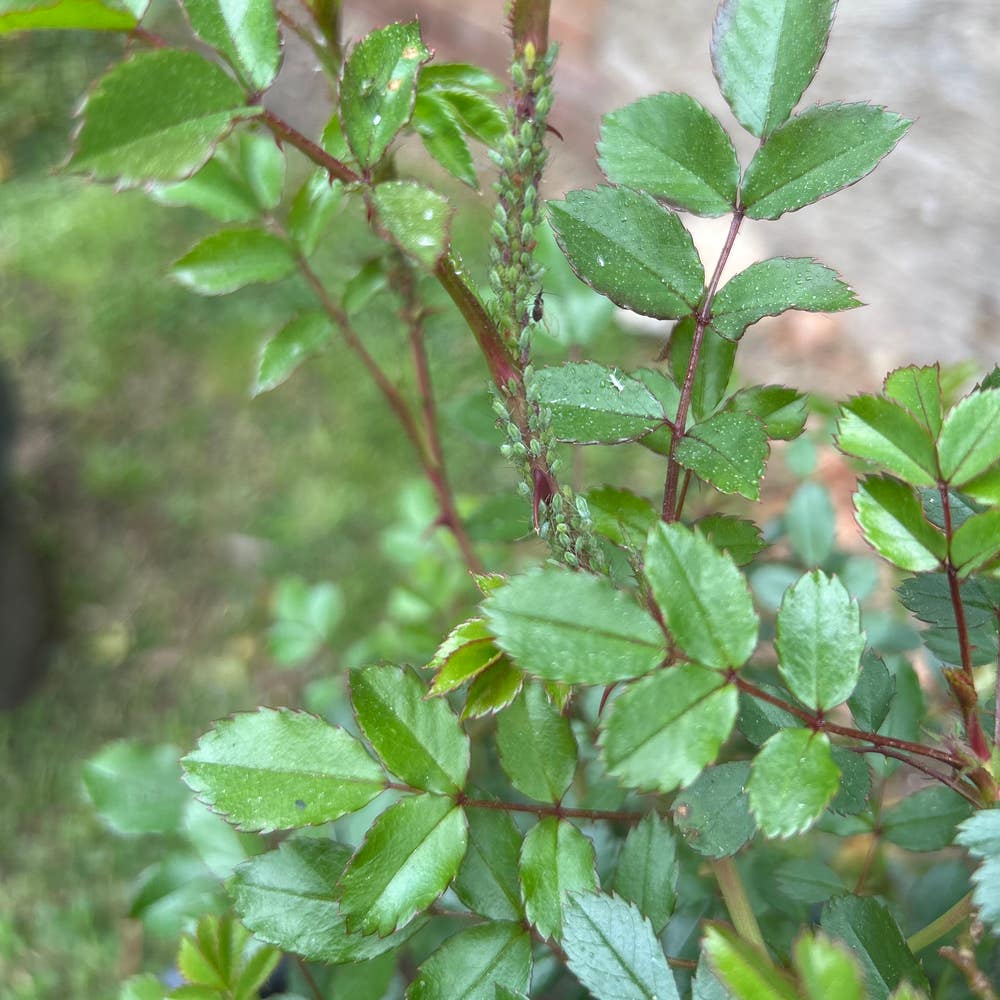
Aphids and spider mites are common culprits when it comes to pest infestations in roses. Aphids are small, soft-bodied insects that suck sap, while spider mites create fine webbing and cause stippling on leaves.
Identifying these pests early can save your roses from significant damage. Regular inspections are key to keeping them at bay.
Signs of Pest Damage
Look for yellowing leaves, distorted growth, and visible pests on the undersides of leaves. These signs indicate that your roses are under attack and need immediate attention.
Taking action quickly can prevent further damage and restore your plant's health.
🍄 Fungal Diseases
Common Fungal Issues
Fungal diseases like powdery mildew and black spot can wreak havoc on your roses. Powdery mildew appears as white, powdery spots, while black spot manifests as dark, circular spots leading to yellowing and leaf drop.
Recognizing these issues early is crucial for effective management.
Identification and Treatment
Treatment options include fungicides, removing infected leaves, and improving air circulation. By addressing fungal issues promptly, you can help your roses recover and thrive.
Understanding these causes of yellowing leaves is vital for maintaining the health of your Rambling Roses. With proper diagnosis and treatment, you can ensure your plants flourish beautifully.
Next, we will explore how to diagnose and treat these yellowing leaves effectively.
Diagnosis and Treatment
🌼 Identifying the Cause of Yellowing Leaves
To tackle yellowing leaves effectively, start by assessing the symptoms. Look for signs of nutrient deficiencies, water stress, pests, or diseases.
Soil testing is also crucial. This helps determine pH and nutrient levels, allowing you to pinpoint any deficiencies.
🛠️ Step-by-Step Treatment for Nutrient Deficiencies
- Nitrogen Deficiency: Apply a balanced fertilizer high in nitrogen to boost leaf growth.
- Iron Chlorosis: Use chelated iron supplements or iron-rich fertilizers to enhance chlorophyll production.
- Timing: Fertilize during the growing season for optimal results.
💧 Adjusting Watering Practices
- Overwatering: Allow the soil to dry out before the next watering and ensure proper drainage to prevent root suffocation.
- Underwatering: Increase watering frequency, ensuring deep watering to reach the roots effectively.
- Monitoring: Use a moisture meter to gauge soil moisture levels accurately.
🐛 Pest Control Methods
- Manual Removal: Hand-pick pests or use a strong spray of water to dislodge them from your plants.
- Insecticidal Soap: Apply to affected areas according to label instructions for effective pest management.
- Beneficial Insects: Introduce ladybugs or lacewings to help control aphid populations naturally.
🍄 Fungal Disease Management
- Identification: Recognize symptoms early to prevent the spread of fungal diseases.
- Treatment: Apply appropriate fungicides and remove any infected plant parts to protect your roses.
- Prevention: Ensure good air circulation and avoid overhead watering to minimize fungal growth.
By diagnosing and treating these issues promptly, you can restore your Rambling Rose to its vibrant glory. Next, let’s explore effective prevention strategies to keep your roses healthy year-round.
Prevention Strategies
🌱 Soil Preparation and Amendments
Using well-draining soil enriched with organic matter is crucial for your Rambling Rose. This not only improves nutrient retention but also promotes healthy root development.
Regular soil pH testing is essential. Aim for a pH range of 6.0 to 6.8, which is ideal for roses to thrive.
🔍 Regular Monitoring and Maintenance
Make it a habit to inspect your plants weekly. Look for signs of yellowing leaves, pests, or diseases to catch issues early.
Keeping a gardening journal can be a game-changer. Document changes and treatments to track your rose's health over time.
🌼 Seasonal Care Tips
In spring, focus on fertilizing and pruning to encourage robust new growth. This sets the stage for a vibrant growing season.
During summer, stay vigilant about watering and pest activity. Consistent care during this time can prevent bigger problems down the road.
As fall approaches, prepare your roses for winter. Mulching and reducing watering will help them survive the colder months.
💧 Best Practices for Watering and Fertilizing
Water your roses deeply but infrequently. This encourages deep root growth, making your plants more resilient.
When it comes to fertilizing, tailor your approach to the specific needs of your Rambling Rose. Adjust based on soil tests to ensure optimal health.
By implementing these prevention strategies, you can keep your Rambling Rose healthy and vibrant. Next, let’s explore how to diagnose and treat any yellowing leaves effectively.
⚠️ Safety First
This content is for general information and may contain errors, omissions, or outdated details. It is not medical, veterinary advice, or an endorsement of therapeutic claims.
Always consult a qualified healthcare professional before using any plant as food, medicine, or supplement.
Never eat any plant (or feed one to pets) without confirming its identity with at least two trusted sources.
If you suspect poisoning, call Poison Control (800) 222-1222, the Pet Poison Helpline (800) 213-6680, or your local emergency service immediately.
Spotted an error? Please report it here.
Revive your Rambling Roses and keep their leaves lush and green 🌿 by using Greg's personalized care tips and nutrient alerts to tackle yellowing issues head-on!