Reasons Why Your Rambling Rose Won't Flower 🌹
Rosa spp.
By the Greg Editorial Team
Oct 18, 2024•5 min read
This article was created with the help of AI so we can cover more plants for you. May contain errors. See one? Report it here.
- 🌞 Insufficient sunlight prevents blooming; ensure 6-8 hours of direct sunlight daily.
- 🌱 Poor soil quality hinders flowers; enrich with nitrogen, phosphorus, and potassium.
- ✂️ Improper pruning can remove buds; prune in late winter or early spring for blooms.
Failure to Bloom
🌞 Potential Causes
Light Requirements
Insufficient sunlight is a primary reason your Rambling Rose may not flower. These beauties thrive on at least 6-8 hours of direct sunlight daily.
Excessive shade from nearby trees or structures can block the light they crave. If your rose isn’t getting enough sun, it’s time to reassess its location.
Nutritional Needs
Lack of essential nutrients can also hinder blooming. Nitrogen, phosphorus, and potassium are crucial for vibrant flowers.
Soil quality plays a significant role too. Poor, compacted, or depleted soil can stunt growth and reduce flower production.
Pruning Techniques
Improper pruning timing can be detrimental. Late pruning may remove buds that would have bloomed beautifully.
Additionally, incorrect methods—like over-pruning—can lead to reduced flowering. Knowing when and how to prune is essential for a flourishing rose.
🛠️ Solutions and Best Practices
Assess Sunlight Exposure
Start by evaluating your rose's sunlight exposure. If it’s not getting enough light, consider relocating it or trimming surrounding plants.
Test Soil Quality
Next, test your soil. Amending it with compost or fertilizers rich in nitrogen and phosphorus can make a world of difference.
Follow Proper Pruning Techniques
When it comes to pruning, timing is everything. Aim to prune in late winter or early spring before new growth begins.
Remove dead or weak stems to encourage healthy growth. This simple step can lead to a more vibrant bloom season.
By addressing these potential causes and implementing best practices, you can help your Rambling Rose thrive. Next, let’s explore the issue of premature flower drop and how to prevent it.
Premature Flower Drop
🌪️ Common Triggers
Premature flower drop in rambling roses can be frustrating. Understanding the common triggers can help you take action.
Environmental Stress
Drought conditions can lead to insufficient watering, causing stress and bud drop. On the flip side, excessive moisture from overwatering or poor drainage can result in root rot, which also leads to flower drop.
Pests
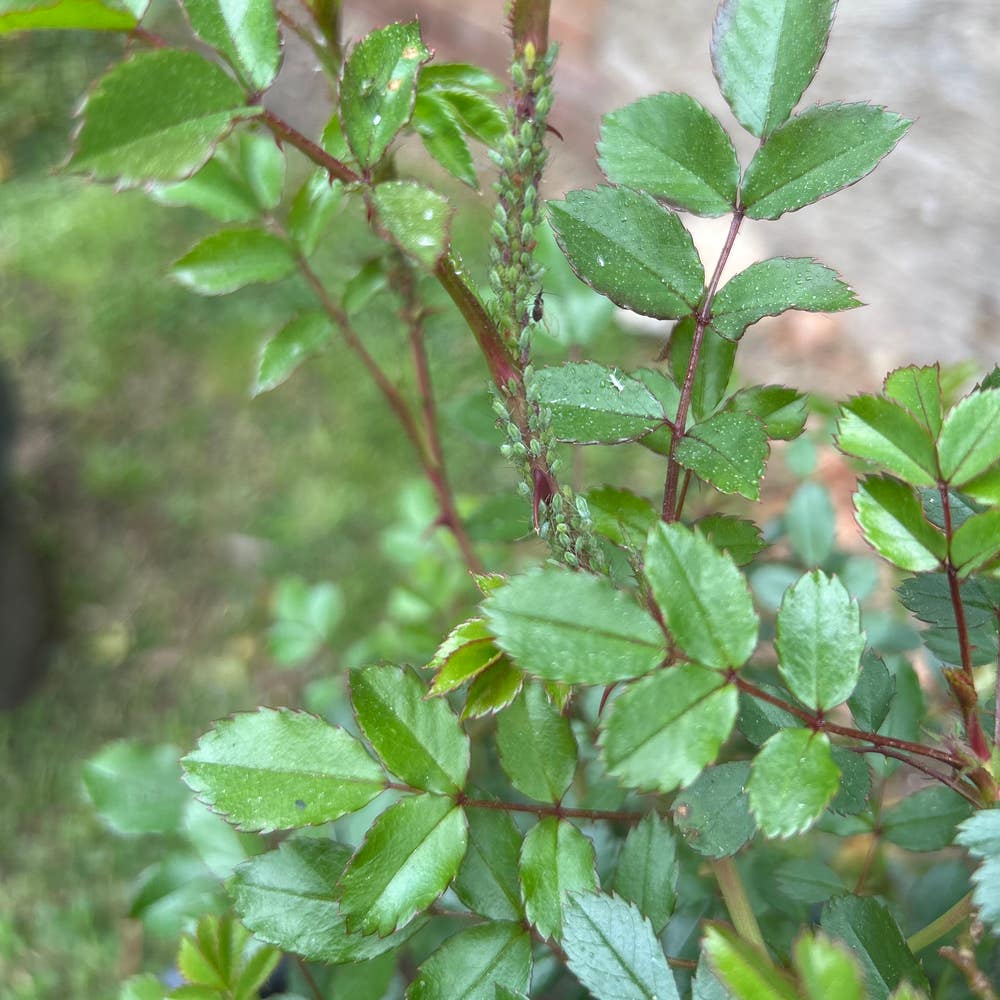
Pest infestations are another significant factor. Aphids and spider mites can weaken your plants, making them more susceptible to dropping their buds prematurely.
🛠️ Remedies and Preventive Measures
Taking proactive steps can help mitigate these issues effectively.
Monitor Soil Moisture: Regularly check the soil and water consistently, ensuring it drains well to prevent waterlogging.
Implement Pest Control Measures:
- Use insecticidal soap or neem oil to manage pest populations effectively.
- Encourage beneficial insects like ladybugs, which can help control aphid populations naturally.
By addressing these triggers and implementing these remedies, you can help your rambling rose thrive and enjoy a beautiful bloom season. Next, let’s explore how to identify and address abnormal flower development.
Abnormal Flower Development
🌸 Identifying Signs of Abnormality
Noticing smaller or misshapen flowers? This could indicate underlying issues with your rambling rose. Additionally, if you see unusual color variations, it might signal nutrient deficiencies or even disease.
🌱 Factors Influencing Flower Quality
🍽️ Nutritional Balance
To promote vibrant blooms, ensure your rose receives adequate levels of key nutrients. Phosphorus is particularly crucial for flower development, so consider testing your soil to identify any deficiencies.
✂️ Pruning Techniques
Proper pruning methods are essential for encouraging healthy growth. Prune your rambling rose at the right time to foster robust flower formation and avoid stunted blooms.
By addressing these factors, you can enhance the beauty and health of your rambling rose. Next, let’s explore how environmental factors can further impact flowering.
Environmental Factors
🌦️ Weather Conditions
Temperature and humidity play a crucial role in the blooming of your Rambling Rose. The ideal temperature range for optimal blooming is between 15°C to 25°C (59°F to 77°F).
High humidity can be a double-edged sword; while it may seem beneficial, it often leads to fungal diseases that can compromise flower quality. Keeping an eye on these conditions is essential for a flourishing rose.
🍂 Seasonal Considerations for Rambling Rose
Seasonal changes can significantly impact your rose's health and blooming potential. Regularly monitor the weather and adjust your care practices to mitigate stress on the plant.
For instance, during hotter months, ensure adequate watering and consider providing some shade. Adapting to the seasons will help your Rambling Rose thrive and produce beautiful blooms.
By understanding these environmental factors, you can create a nurturing atmosphere for your roses, setting the stage for vibrant flowers. Next, let’s explore how to manage pests and diseases that could hinder your rose's growth.
Pest and Disease Management
Common Pests Affecting Flowering 🐞
Identifying pests is crucial for maintaining the health of your Rambling Rose.
Aphids are small, green insects that can wreak havoc by causing bud drop.
Spider mites, on the other hand, are tiny pests that can lead to abnormal flower development, making them a significant concern for gardeners.
Treatment Options and Preventive Strategies 🛡️
To keep your roses thriving, regular inspections are key.
Look for signs of pests, such as discolored leaves or webbing, and act quickly.
- Inspect Regularly: Make it a habit to check your plants for any pest activity.
- Use Organic Pest Control: Products like neem oil or insecticidal soap can effectively manage infestations without harming beneficial insects.
- Maintain Plant Health: Proper care, including adequate watering and nutrition, can reduce susceptibility to pests.
By staying vigilant and proactive, you can ensure your Rambling Rose remains healthy and vibrant.
Next, let’s explore how environmental factors can also impact your rose's blooming potential.
⚠️ Safety First
This content is for general information and may contain errors, omissions, or outdated details. It is not medical, veterinary advice, or an endorsement of therapeutic claims.
Always consult a qualified healthcare professional before using any plant as food, medicine, or supplement.
Never eat any plant (or feed one to pets) without confirming its identity with at least two trusted sources.
If you suspect poisoning, call Poison Control (800) 222-1222, the Pet Poison Helpline (800) 213-6680, or your local emergency service immediately.
Spotted an error? Please report it here.
Unlock a blooming paradise 🌸 for your Rambling Rose with Greg's tailored care tips and reminders, ensuring it gets the sunlight and nutrients it craves for vibrant flowers!