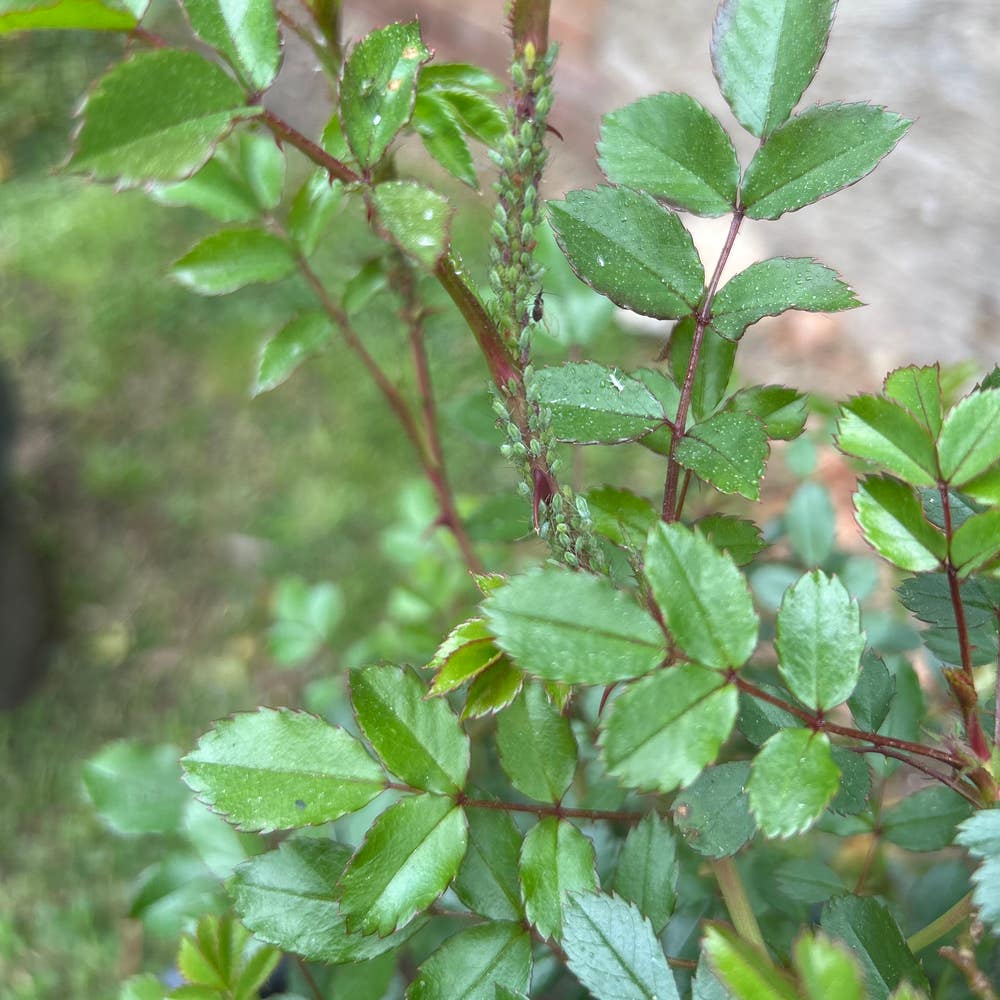
🌹 Frost-Hardy Rose Bush Zones 3a-11b
Rosa spp.
By the Greg Editorial Team
Nov 25, 2024•5 min read
This article was created with the help of AI so we can cover more plants for you. May contain errors. See one? Report it here.
- 🌡️ Frost-hardy roses thrive in zones 3a to 11b, tolerating temperatures from -40°F to 100°F.
- 🌹 Explore cold-tolerant varieties like 'Henry Kelsey' and heat-resistant 'Knock Out' roses.
- 🌍 Microclimates and soil quality are key for successful rose bush cultivation across climates.
Temperature Tolerance of Rose Bush
❄️ Cold Tolerance
Frost-hardy rose bushes are impressively resilient, tolerating temperatures as low as -40°F (-40°C) in hardiness zone 3a. This remarkable cold tolerance makes them ideal for northern climates, where winter can be harsh.
Several cold-tolerant rose varieties have been specifically bred to thrive in these frigid conditions. Notable examples include the 'Explorer' series, which features cultivars like 'Henry Kelsey' and 'Morden Blush,' both known for their stunning blooms and hardiness.
☀️ Heat Tolerance
On the flip side, rose bushes also exhibit impressive heat tolerance, thriving in temperatures that can soar up to 100°F (38°C) in zone 11b. This adaptability allows them to flourish in warmer climates, providing vibrant colors and fragrances even in the heat of summer.
Varieties such as 'Knock Out' roses and 'Sunshine Daydream' are perfect examples of heat-tolerant roses. These cultivars not only withstand high temperatures but also resist common pests and diseases, making them a favorite among gardeners in hotter regions.
Understanding the temperature tolerance of rose bushes is crucial for successful cultivation. Whether you're in a chilly northern state or a sun-soaked southern locale, there's a rose variety that can thrive in your garden.
As we explore the ideal growing regions for rose bushes, let's delve into which states provide the best conditions for these beautiful plants.
Ideal Growing Regions for Rose Bush
🌍 Examples of US States Suitable for Growing Rose Bushes
When it comes to growing frost-hardy rose bushes, certain states shine brightly across the hardiness zones. For instance, Minnesota and Wisconsin fall under zone 3a, where roses can withstand the chill of winter.
On the warmer end, states like Florida and California thrive in zone 11b, providing an ideal environment for these beautiful blooms. Each region offers unique climate characteristics that support the growth of rose bushes, from cold winters to warm summers.
🌱 Factors Contributing to Ideal Growing Conditions
To cultivate healthy rose bushes, soil quality is crucial. They prefer well-drained soils rich in organic matter, which helps retain moisture while preventing root rot.
Climate also plays a significant role in rose bush success. Adequate sunlight, consistent rainfall, and temperature variations are essential for promoting blooming and overall growth. These factors create a nurturing environment where roses can flourish, showcasing their vibrant colors and delightful fragrances.
In summary, understanding the ideal growing regions and conditions for rose bushes can lead to a thriving garden. With the right climate and soil, you can enjoy a stunning display of roses in your own backyard.
Microclimates and Their Impact
🌍 Definition and Importance of Microclimates
Microclimates are localized climate conditions that can differ significantly from the surrounding area. Understanding these unique environments is crucial for gardeners, as they can create favorable conditions for plants that might struggle in the broader climate zone.
Microclimates can be influenced by various factors, including topography, vegetation, and human-made structures. For instance, a garden tucked away behind a wall may retain heat better than an open area, allowing for a more diverse range of plants to thrive.
🌹 How Microclimates Can Extend Growing Zones for Rose Bushes
Microclimates can enable successful rose bush cultivation even outside typical hardiness zones. By taking advantage of these localized conditions, gardeners can grow varieties that would otherwise be unsuitable for their region.
Several types of microclimates can benefit rose bushes:
- Urban Areas: Cities often have warmer temperatures due to heat retention from buildings and pavement.
- Sheltered Gardens: Areas shielded from wind and extreme weather can create a more stable environment for growth.
- South-Facing Slopes: These slopes absorb more sunlight, providing a warmer microclimate that can extend the growing season.
By recognizing and utilizing microclimates, gardeners can enhance their rose bush cultivation efforts, leading to healthier plants and more vibrant blooms. Understanding these localized conditions can transform your gardening experience, making it possible to grow roses in places you might not have thought possible.
Next, we will explore the state-level analysis of hardiness zones, identifying suitable and unsuitable states for growing rose bushes.
State-Level Analysis of Hardiness Zones
🌹 Suitable US States for Growing Rose Bushes
When it comes to growing rose bushes, certain states shine in the hardiness zone spectrum. Here’s a breakdown of states where these beautiful plants can thrive:
- Zone 3a: Minnesota, Wisconsin
- Zone 4a: New York, Vermont
- Zone 5a: Illinois, Indiana
- Zone 6a: Virginia, North Carolina
- Zone 7a: Tennessee, Arkansas
- Zone 8a: Texas, Louisiana
- Zone 9a: Arizona, Florida
- Zone 10a: California, Hawaii
- Zone 11b: Southern Florida, parts of California
These states offer a range of climates that cater to the diverse needs of rose bushes, from the chilly winters of the north to the warm, sunny conditions of the south.
🚫 Unsuitable US States for Growing Rose Bushes and Reasons Why
Not every state is a rose bush paradise. Some states fall outside the ideal hardiness zones, making it challenging for these plants to flourish.
- Extreme Cold: North Dakota, Alaska
- Extreme Heat: Parts of Nevada, Arizona
The reasons these states are unsuitable include extreme temperature fluctuations and prolonged frost periods. Such conditions can exceed the cold tolerance of rose bushes, while others may lack the necessary soil conditions for healthy growth.
Understanding these limitations helps gardeners make informed choices about where to plant their rose bushes, ensuring a vibrant and thriving garden.
As we explore further, let’s dive into the factors contributing to ideal growing conditions for rose bushes.
⚠️ Safety First
This content is for general information and may contain errors, omissions, or outdated details. It is not medical, veterinary advice, or an endorsement of therapeutic claims.
Always consult a qualified healthcare professional before using any plant as food, medicine, or supplement.
Never eat any plant (or feed one to pets) without confirming its identity with at least two trusted sources.
If you suspect poisoning, call Poison Control (800) 222-1222, the Pet Poison Helpline (800) 213-6680, or your local emergency service immediately.
Spotted an error? Please report it here.
Cultivating stunning roses 🌹 across diverse climates is possible with Greg's tailored care reminders and tips, ensuring your frost-hardy varieties thrive beautifully!