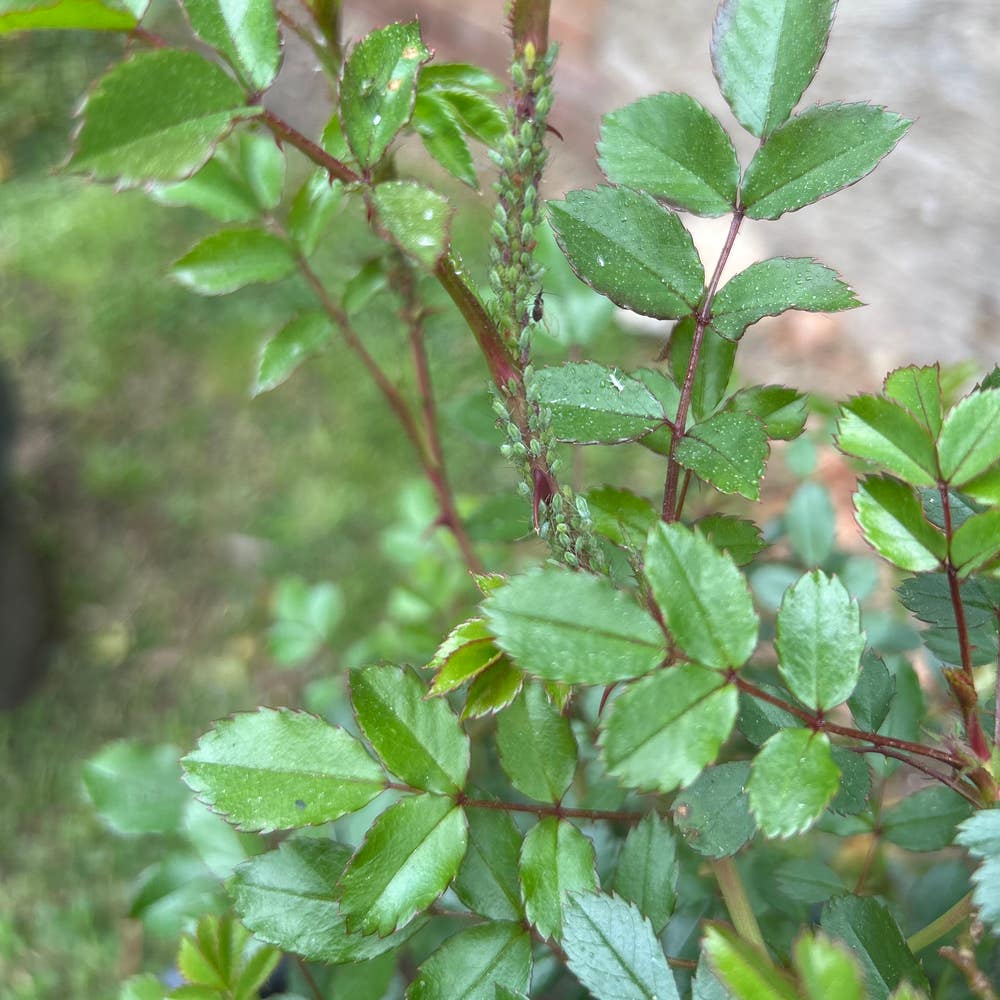
❤️ Why Red Rose Is Not an Annual
Rosa spp.
By the Greg Editorial Team
Nov 23, 2024•3 min read
This article was created with the help of AI so we can cover more plants for you. May contain errors. See one? Report it here.
- 🌹 Red roses are perennials, thriving year after year with proper care.
- 🌱 Their deep roots store nutrients, ensuring vibrant growth each spring.
- 🌼 Multiple blooming cycles provide continuous beauty throughout the growing season.
Red Rose as a Perennial
🌱 Genetic Characteristics
Red roses are classified as perennials primarily due to their genetic makeup. Their diploid chromosomal structure contributes to their longevity, allowing them to thrive year after year.
Additionally, red roses possess genetic adaptations that enhance their resilience to environmental stressors. This adaptability is crucial for surviving in various climates and conditions.
🌿 Physiological Traits
The root system of red roses is deep and complex, enabling them to store essential nutrients and water. This robust foundation supports their growth and health throughout the seasons.
Moreover, red roses have the remarkable ability to regenerate their foliage each spring from established roots. This trait ensures a vibrant display of leaves and blooms as the growing season begins.
🌼 Lifecycle and Growth Patterns
With proper care, red roses can live for decades, making them a long-term investment for any garden. Their lifespan is complemented by multiple blooming cycles throughout the growing season, providing continuous beauty.
Each year, new stems emerge from the base of the plant, showcasing their vigorous growth. During winter, red roses experience seasonal dormancy, dying back but regrowing energetically in spring.
❓ Misconceptions and Regional Variations
In some regions, red roses may be mistakenly treated as annuals, particularly in harsh winter climates or with improper care. This misunderstanding often stems from their seasonal die-back, leading to confusion about their true perennial nature.
It's essential to recognize that with the right conditions and care, red roses can flourish as perennials, bringing joy and color to gardens for many years. Understanding these aspects can help gardeners appreciate the enduring beauty of red roses and avoid common pitfalls.
As we explore the implications of planting red roses, let's consider the advantages they offer to gardeners.
Implications for Gardeners
🌹 Advantages of Planting Red Rose
Planting Red Roses is a long-term investment. With fewer replanting costs and efforts, these perennials provide a reliable source of beauty year after year.
Additionally, Red Roses offer continuous blooms throughout the growing season. This means your garden can showcase vibrant colors and delightful fragrances over multiple years, enhancing your outdoor space.
🌼 Garden Design Strategies
Companion planting is an effective strategy when incorporating Red Roses into your garden. Pairing them with other perennials can create a diverse and visually appealing landscape.
Seasonal planning is also crucial. By thoughtfully integrating Red Roses into your perennial garden layout, you can ensure a stunning display that evolves with the seasons.
🌱 Management Tips for Longevity
To manage Red Roses effectively as perennials, focus on best practices like regular pruning and proper fertilization. These actions promote healthy growth and vibrant blooms.
Maximizing flowering and overall health involves attentive watering and pest management. Keeping an eye on these factors can lead to a flourishing garden.
Lastly, consider seasonal care for your Red Roses. Providing winter protection and preparing for their spring awakening will help ensure their longevity and beauty in your garden.
With these insights, you're well-equipped to enjoy the many benefits of Red Roses in your gardening endeavors. Next, let's explore how to create a thriving garden environment that supports these stunning perennials.
⚠️ Safety First
This content is for general information and may contain errors, omissions, or outdated details. It is not medical, veterinary advice, or an endorsement of therapeutic claims.
Always consult a qualified healthcare professional before using any plant as food, medicine, or supplement.
Never eat any plant (or feed one to pets) without confirming its identity with at least two trusted sources.
If you suspect poisoning, call Poison Control (800) 222-1222, the Pet Poison Helpline (800) 213-6680, or your local emergency service immediately.
Spotted an error? Please report it here.
Unlock the timeless beauty of red roses 🌹 by using Greg's tailored care reminders and expert tips to help your perennials flourish year after year!