Managing Leaf Drop on Your Red Rose 🌹
Rosa spp.
By the Greg Editorial Team
Nov 23, 2024•7 min read
This article was created with the help of AI so we can cover more plants for you. May contain errors. See one? Report it here.
- 🌞 Red roses need 6-8 hours of sunlight daily to prevent leaf drop.
- 🌱 Nutrient deficiencies in nitrogen, potassium, and magnesium cause yellowing and stunted growth.
- 🐛 Pest infestations and diseases like black spot lead to leaf drop; inspect regularly!
Causes of Leaf Drop
🌡️ Environmental Stress Factors
Temperature fluctuations can significantly impact your red rose's health. Ideally, they thrive in temperatures ranging from 60°F to 75°F (15°C to 24°C).
Humidity levels also play a crucial role. While moderate humidity is preferred, excessive moisture can lead to fungal infections that threaten your plant's vitality.
☀️ Light Requirements
Light is essential for robust growth. Red roses need full sun, ideally 6-8 hours daily; insufficient light can weaken the plants and lead to leaf drop.
🥦 Nutrient Deficiencies
Nutrient deficiencies can manifest in various ways. For instance, nitrogen deficiency often results in yellowing leaves and stunted growth.
Potassium deficiency is another concern, leading to browning leaf edges and poor flowering. Similarly, magnesium deficiency causes interveinal chlorosis, where yellowing occurs between leaf veins.
🐞 Pest Infestations
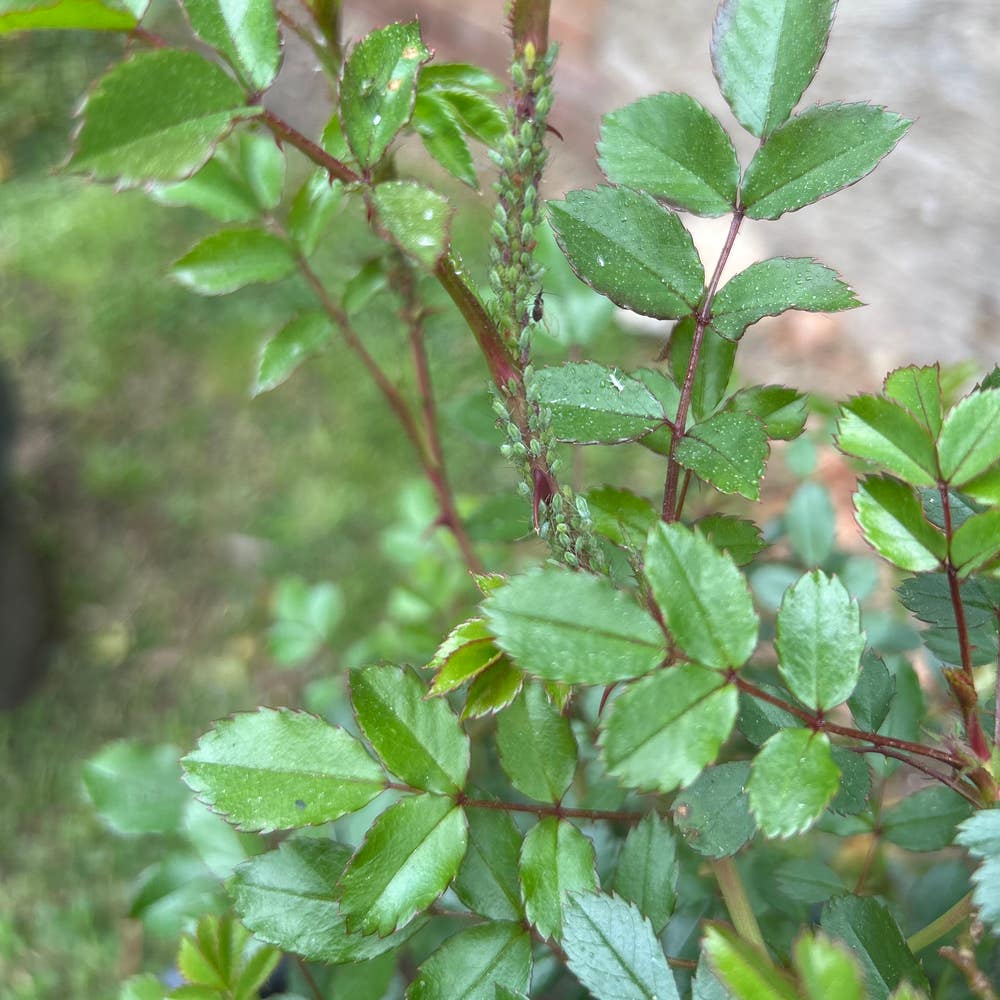
Pest infestations can wreak havoc on your roses. Aphids, small green insects, suck sap from the leaves, causing curling and eventual drop.
Spider mites are another threat; these tiny pests create webbing and cause stippling on leaves. Signs of infestation include yellowing leaves, visible pests, and webbing.
🍄 Fungal Diseases
Fungal diseases can also lead to leaf drop. Black spot presents as circular black spots on leaves, which can lead to premature leaf drop.
Powdery mildew appears as white, powdery fungal growth, reducing photosynthesis and weakening the plant. High humidity and poor air circulation create conditions that favor fungal growth.
💧 Watering Issues
Watering practices are critical for rose health. Overwatering can cause yellowing leaves, wilting, and root rot, while underwatering leads to drooping and dropping leaves.
Maintaining well-draining soil is essential. It prevents waterlogging and promotes healthy root systems, ensuring your roses thrive.
Understanding these causes of leaf drop is vital for effective management. By addressing environmental stressors, nutrient deficiencies, pests, fungal diseases, and watering issues, you can help your red roses flourish.
Next, we will explore how to diagnose leaf drop issues effectively.
Diagnosing Leaf Drop Issues
Identifying Symptoms 🌿
Leaf drop can be alarming, but identifying the symptoms is the first step to recovery. Yellowing and curling leaves often signal nutrient deficiencies or pest problems.
Dark or powdery spots on leaves indicate potential fungal infections. If you notice wilting leaves, it could mean your rose is suffering from overwatering or underwatering.
Assessing Conditions 🌡️
To diagnose leaf drop effectively, start by checking the environmental conditions. Use a thermometer and hygrometer to monitor temperature and humidity levels.
Next, evaluate sunlight exposure. Ensure your red rose receives adequate light, ideally 6-8 hours of full sun daily.
Checking for Pests and Diseases 🐛
A visual inspection is crucial for spotting pests. Look closely at the leaves and stems for any signs of infestation.
For tiny pests like spider mites, a magnifying glass can be a helpful tool. Catching these pests early can prevent further damage to your plants.
Soil Testing 🧪
Conducting a soil test is essential for understanding your plant's nutrient needs. Check the pH and nutrient levels (N-P-K) to ensure optimal conditions.
The recommended pH for red roses is between 6.0 to 6.8. This range promotes better nutrient uptake, helping your roses thrive.
By diagnosing these issues early, you can take proactive steps to restore your red rose's health. Next, let’s explore preventive measures to keep your roses flourishing.
Preventive Measures
Proper Watering Techniques 🌊
Watering your red roses correctly is crucial for their health. Aim to water deeply but infrequently, allowing the soil to dry slightly between waterings.
The best time to water is early morning. This practice reduces evaporation and minimizes the risk of fungal infections.
Soil Preparation 🏵️
Using well-draining soil is essential for healthy rose growth. Incorporate organic matter like compost to enhance soil structure and nutrient content.
Amending soil with nutrients based on soil test results can significantly boost your roses' health. Balanced fertilizers will provide the necessary nutrients for robust growth.
Fertilization Schedule 📅
Establishing a consistent fertilization schedule is key. Fertilize every 4-6 weeks during the growing season to keep your roses thriving.
Consider using balanced NPK fertilizers or organic options. Both types can effectively nourish your plants and promote vibrant blooms.
Choosing Resistant Varieties 🌹
Selecting disease-resistant rose varieties can save you a lot of trouble. Research and choose varieties known for their resilience against common issues.
Examples of resistant varieties include Knock Out Roses and Drift Roses. These options can help you enjoy beautiful blooms with less maintenance.
Seasonal Care Tips 🌦️
Adjusting your care routine based on the seasons is vital. Increase watering during hot months and reduce it in winter to match the plant's needs.
Regularly monitor for pests and diseases, especially in humid conditions. Staying vigilant will help you catch any issues early and keep your roses healthy.
By implementing these preventive measures, you can significantly reduce the risk of leaf drop and ensure your red roses flourish. Next, let’s explore treatment options if you encounter any issues despite your best efforts.
Treatment Options
🌱 Organic Pest Control
When it comes to managing pests on your red rose, organic solutions can be highly effective. Neem oil is a standout option, known for its ability to combat aphids and spider mites without harming beneficial insects.
Another great choice is insecticidal soap. This gentle treatment is safe for roses and effectively eliminates a range of pests, making it a go-to for organic gardeners.
⚗️ Chemical Treatments
For more severe infestations or fungal issues, fungicides may be necessary. Always follow the label instructions carefully, especially for conditions like black spot and powdery mildew.
Timing is crucial; treat your roses at the first sign of disease to achieve the best results. Early intervention can save your plants from further damage.
💧 Adjusting Watering Practices
Watering practices should adapt to the weather. During dry spells, increase your watering frequency, but be sure to decrease it during rainy periods to avoid waterlogging.
Using moisture meters can help you gauge soil moisture levels accurately. This tool ensures your roses receive just the right amount of water, promoting healthy growth.
🌼 Nutrient Supplementation
To boost your rose's health, consider liquid fertilizers for quick nutrient uptake during active growth. These fertilizers provide an immediate nutrient boost when your plants need it most.
For sustained feeding, slow-release fertilizers are ideal. They gradually release nutrients over time, ensuring your roses have what they need throughout the growing season.
✂️ Pruning Techniques
Pruning is essential for maintaining the health of your roses. Start by removing any dead or diseased wood, which helps improve air circulation and reduces the risk of disease.
The best time for pruning is late winter or early spring, just before new growth begins. This timing encourages robust growth and flowering in the upcoming season.
With these treatment options, you can effectively manage leaf drop and keep your red roses thriving. Next, let’s explore how to care for your plants after experiencing leaf drop.
Post-Drop Care
Assessing Plant Health 🌱
After experiencing leaf drop, the first step is to evaluate the remaining foliage. Look for signs of recovery, such as new growth or healthy leaves, as well as any further decline that may indicate ongoing issues.
Next, check the root health by gently digging around the base of the plant. Ensure the roots are firm and not mushy, which can signal root rot or other problems.
Rejuvenation Techniques 🌹
To help your red rose bounce back, provide extra care during this recovery phase. Increase watering and fertilization temporarily to support new growth and replenish nutrients.
Additionally, consider applying mulch around the base of the plant. This helps retain soil moisture and regulate temperature, creating a more stable environment for your rose.
Monitoring for Recurring Issues 🔍
Regular inspections are crucial for maintaining plant health. Check for pests and diseases weekly to catch any problems early before they escalate.
Keeping a care journal can also be beneficial. Document changes and treatments to track what works best for your rose, making future care easier and more effective.
Seasonal Adjustments 🍂
As seasons change, adapt your care routine accordingly. Modify watering and fertilization based on the weather and the plant's needs to ensure optimal growth.
Finally, prepare for winter by protecting the roots and reducing watering. This proactive approach helps your rose survive the colder months and thrive when spring arrives.
⚠️ Safety First
This content is for general information and may contain errors, omissions, or outdated details. It is not medical, veterinary advice, or an endorsement of therapeutic claims.
Always consult a qualified healthcare professional before using any plant as food, medicine, or supplement.
Never eat any plant (or feed one to pets) without confirming its identity with at least two trusted sources.
If you suspect poisoning, call Poison Control (800) 222-1222, the Pet Poison Helpline (800) 213-6680, or your local emergency service immediately.
Spotted an error? Please report it here.
Transform your red roses into blooming beauties 🌹 with Greg's tailored watering reminders and nutrient tips that ensure they thrive and resist leaf drop!