🌹 How Long Your Red Rose Will Live
Rosa spp.
By the Greg Editorial Team
Nov 23, 2024•7 min read
This article was created with the help of AI so we can cover more plants for you. May contain errors. See one? Report it here.
- 🌱 Red rose seeds germinate in 7-14 days under optimal conditions.
- 🌹 Full maturity takes 2-3 years, influenced by sunlight and soil quality.
- 🌼 Flowering lasts 4-6 weeks, typically in late spring to early summer.
Germination Stage
🌱 Duration of Germination
The journey of your red rose begins with germination, which typically takes about 7-14 days under optimal conditions. This is the crucial first step where the seeds awaken and start their transformation into vibrant plants.
🌞 Conditions for Successful Germination
To ensure successful germination, the right conditions are essential.
Soil Requirements
Use well-drained, fertile soil with a pH between 6.0 and 6.8. This balance helps create an ideal environment for your seeds to thrive.
Temperature Range
Maintain a temperature range of 18°C to 24°C (65°F to 75°F). This warmth encourages the seeds to sprout and grow.
Moisture Levels
Consistent moisture is key, but avoid waterlogging. The soil should be moist enough to support growth without drowning the seeds.
By providing these optimal conditions, you set the stage for healthy seedlings to emerge. This foundational stage is vital for the overall health of your red rose as it progresses through its life cycle.
Next, we will explore the seedling stage, where your rose begins to develop its unique characteristics.
Seedling Stage
🌱 Length of Seedling Development
The seedling stage is a crucial period in the life of a red rose. Typically, it lasts about 4-6 weeks, during which the seedlings prepare for their next big step: transplanting.
🌿 Key Characteristics of Seedlings
As seedlings develop, they undergo significant changes. One of the most notable is the transition from cotyledons—those initial leaves—to true leaves, which are essential for photosynthesis.
Height and Growth
During this stage, seedlings usually reach a height of 3-6 inches. This growth is a sign that they are establishing themselves and getting ready for the next phase.
Root System Development
A strong root system is vital for nutrient uptake. As the seedlings grow, their roots dig deeper into the soil, ensuring they can access the moisture and nutrients they need to thrive.
Understanding these characteristics helps you appreciate the early stages of your red rose's life. With proper care, your seedlings will soon be ready to flourish in their new environment.
Next, we will explore the vegetative growth stage, where your roses will really start to take off!
Vegetative Growth Stage
Duration of Vegetative Growth 🌱
The vegetative growth stage of a red rose typically lasts between 6 to 12 months. This duration can vary significantly based on environmental conditions such as sunlight, temperature, and soil quality.
Changes in Plant Structure and Health 🌿
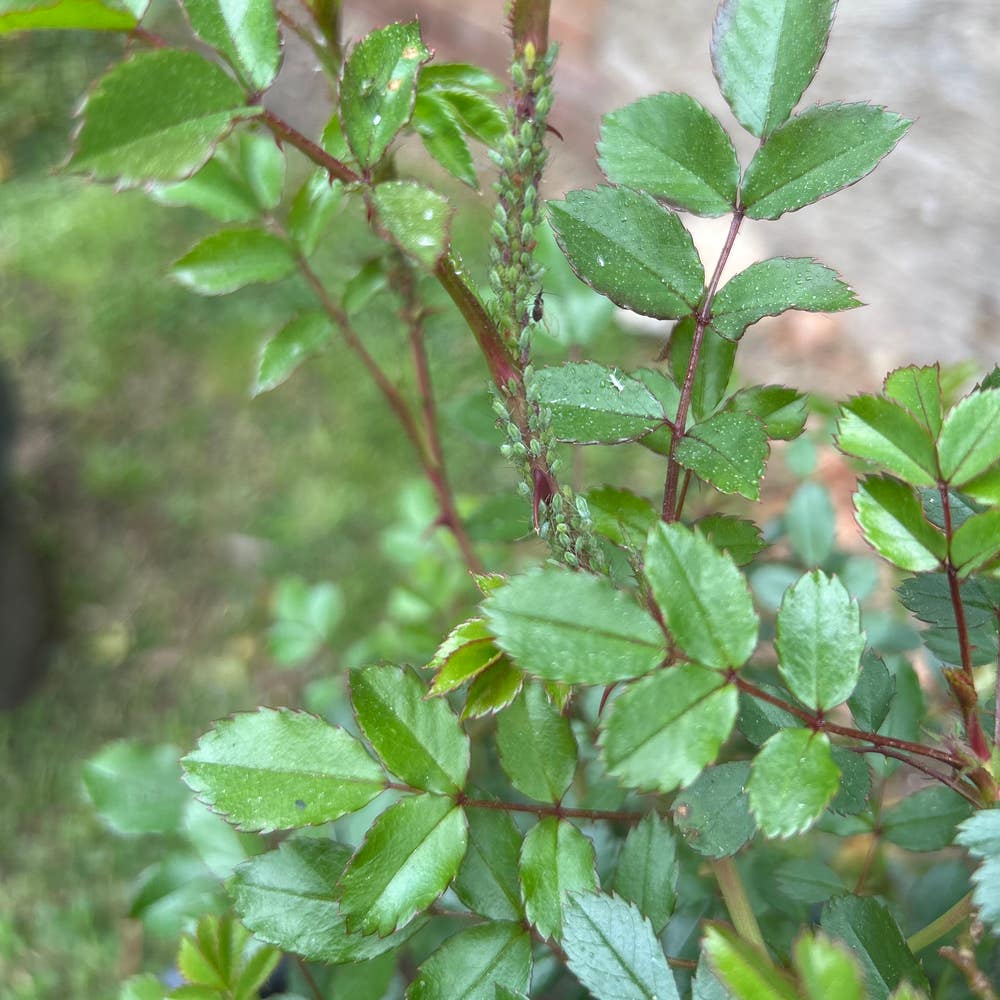
During this stage, you’ll notice a rapid increase in both height and leaf production. Stems grow sturdier, and the iconic thorny stems begin to develop, adding character to your rose.
Healthy leaves are a great indicator of your plant's well-being. Look for vibrant green foliage, as this signals that your red rose is thriving and ready to take on the next phase of its life cycle.
Observing Growth Patterns 👀
As the vegetative stage progresses, keep an eye on the overall structure of the plant. The combination of strong stems and lush leaves not only enhances the beauty of the rose but also prepares it for the flowering stage ahead.
Understanding these changes can deepen your appreciation for the growth journey of your red rose. With the right care, you’ll soon witness the transformation from a robust plant to a stunning bloom.
Transitioning to the Next Stage 🚀
As your red rose completes its vegetative growth, it will be primed for the flowering stage. This is where the magic truly happens, as buds begin to form and the promise of vibrant blooms unfolds.
Flowering Stage
🕒 Timeframe for Flowering
The flowering stage of a red rose typically lasts 4-6 weeks, making it a vibrant highlight of the growing season. This period usually occurs in late spring to early summer, when the weather is just right for these beauties to show off.
🌸 Description of Flower Development
During the flowering stage, the journey begins with bud formation. This is when the initial stages of flower bud development take place, setting the stage for the stunning display to come.
As the buds mature, they transition into the blooming process. This transformation showcases fragrant flowers that can fill your garden with delightful scents and colors.
Speaking of colors, red roses are famous for their stunning hues. Depending on the variety, you can expect a range of colors from deep red to soft pink, sunny yellow, and even pure white. Each bloom adds a unique touch to your garden, making it a feast for the eyes.
In summary, the flowering stage is a magical time for red roses, filled with beauty and fragrance. As we move forward, let's explore the next phase: seed production, where the cycle of life continues.
Seed Production Stage
Duration of Seed Production 🌱
The seed production stage typically lasts between 4 to 8 weeks after flowering. This period is crucial for the development of seeds that will ensure the next generation of beautiful red roses.
Process of Seed Formation and Dispersal 🐝
Pollination plays a vital role in the fertilization process. Insects, particularly bees, are essential for transferring pollen from one flower to another, enabling the formation of seeds.
Once pollination occurs, the rose hips begin to develop. These hips are the fruit of the rose plant, containing the seeds that will eventually lead to new plants.
Dispersal methods are fascinating and varied. Natural mechanisms, such as wind and animal activity, help spread the seeds, allowing them to take root in new locations. This potential for propagation ensures that the beauty of red roses can continue to flourish in diverse environments.
As we explore the life cycle of red roses, understanding the seed production stage highlights the intricate processes that sustain these stunning plants. Next, we will delve into the growth rate and maturation of red roses, uncovering how long it takes for them to reach their full potential.
Growth Rate and Maturation
How Long Until Fully Grown? 🌹
Typically, red roses take about 2-3 years to reach full maturity. This timeframe allows the plant to develop a robust structure and vibrant blooms.
Factors Influencing Growth Rate 🌱
Several factors can affect how quickly your roses grow.
- Environmental Factors: Sunlight, soil quality, and water availability play crucial roles in growth speed.
- Varietal Differences: Different types of roses, like hybrid tea roses, floribunda roses, and climbing roses, exhibit varying growth rates.
Comparison of Growth Rates in Different Conditions 🌍
The environment significantly impacts growth rates.
- Optimal Conditions: Roses thrive in full sun and well-drained soil, which can accelerate their growth.
- Poor Conditions: Conversely, shaded areas or compacted soil can hinder growth, leading to weaker plants.
Understanding these factors can help you create the best conditions for your red roses, ensuring they flourish beautifully. As you nurture them, you'll witness their transformation through each stage of life, making the wait for full maturity all the more rewarding.
Notable Changes Throughout Life Cycle
🌱 Physical Changes During Each Growth Stage
The life cycle of a red rose is marked by distinct physical transformations. During germination, the first leaves emerge, signaling the beginning of life.
As seedlings develop, they establish a sturdy stem and a robust root system. This foundation is crucial for their future growth.
🌼 Growth and Maturation
In the vegetative stage, you'll notice increased leaf size and stem thickness. This growth phase is vital as the plant prepares for the next stage of its life.
When the flowering stage arrives, the rose transitions from vegetative growth to reproductive structures, showcasing its beauty.
🎨 Changes in Color, Size, and Structure
Color changes are striking throughout the rose's life. Seedlings start as a vibrant green, eventually transforming into the rich hues of blooming flowers.
Size variations are also notable, with small seedlings growing into large, mature plants. This growth reflects the plant's health and vitality.
🌍 Environmental Adaptations Over Time
Roses are remarkable in their ability to adapt to local climates. They adjust their growth patterns based on temperature and moisture levels, ensuring their survival.
Over time, they develop resilience, enhancing their disease resistance and pest tolerance. This adaptability is a testament to their strength and endurance.
As we explore the growth rate and maturation of red roses, we’ll uncover how long it takes for these stunning plants to reach their full potential.
⚠️ Safety First
This content is for general information and may contain errors, omissions, or outdated details. It is not medical, veterinary advice, or an endorsement of therapeutic claims.
Always consult a qualified healthcare professional before using any plant as food, medicine, or supplement.
Never eat any plant (or feed one to pets) without confirming its identity with at least two trusted sources.
If you suspect poisoning, call Poison Control (800) 222-1222, the Pet Poison Helpline (800) 213-6680, or your local emergency service immediately.
Spotted an error? Please report it here.
Unlock the secrets of your red rose's life cycle 🌹 and let Greg guide you with tailored care tips and watering reminders to help your blooms flourish for years to come!