🌸 Attracting Pollinators to Your Madagascar Jasmine
Stephanotis floribunda
By the Greg Editorial Team
Sep 30, 2024•5 min read
This article was created with the help of AI so we can cover more plants for you. May contain errors. See one? Report it here.
- 🌼 Madagascar Jasmine's fragrant flowers attract bees, butterflies, and hummingbirds for effective pollination.
- 🌱 Cross-pollination boosts genetic diversity, enhancing plant resilience and seed production.
- 🏡 Create a pollinator-friendly garden by planting native flora and reducing pesticide use.
Flower Structure
Description of Flower Components 🌸
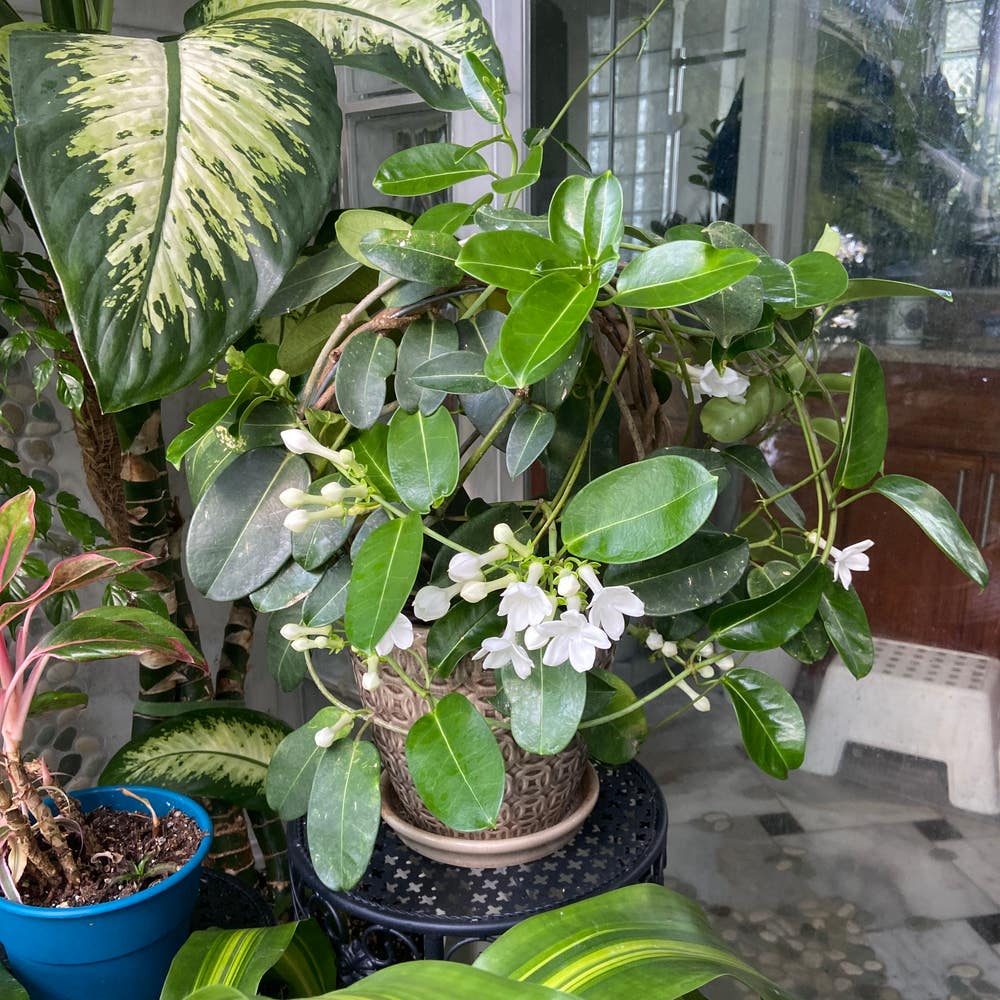
The Madagascar Jasmine boasts stunning flowers with waxy, tubular petals that are typically white. Their delightful fragrance is a magnet for pollinators, making them a key player in the ecosystem.
Green, leaf-like sepals protect the flower bud, ensuring it remains safe until it's ready to bloom. Within the flower, the stamens serve as the male reproductive parts, diligently producing pollen, while the pistils act as the female counterparts, ready to receive pollen for fertilization.
Role in Pollination 🐝
The unique tubular shape of the Madagascar Jasmine flowers is designed for cross-pollination. This structure allows specific pollinator species easy access, enhancing the transfer of pollen between flowers.
While the plant primarily relies on cross-pollination, it can also self-pollinate under certain conditions. This adaptability ensures that even in less-than-ideal circumstances, the plant can still reproduce effectively.
With a solid understanding of the flower's structure, we can now explore the fascinating pollination process that follows.
Pollination Process
Cross-Pollination 🌼
Madagascar Jasmine thrives on the help of external pollinators for successful reproduction. This reliance on cross-pollination not only enhances the plant's reproductive success but also boosts genetic diversity, which is crucial for resilience against diseases and environmental changes.
Primary Pollinators 🐝
Several key players contribute to the pollination of Madagascar Jasmine:
- Bees: These busy insects are drawn in by the flower's fragrance, collecting pollen as they forage.
- Butterflies: Their attraction to both color and scent makes them effective pollinators, aiding in pollen transfer.
- Moths: Active at night, these nocturnal pollinators are lured by the plant's strong fragrance.
- Hummingbirds: These vibrant birds visit for nectar and play a vital role in transferring pollen between flowers.
Attraction Mechanisms 🎯
The Madagascar Jasmine employs various strategies to attract its pollinators.
- Fragrance: The strong scent of the flowers acts like a beacon, drawing in a variety of pollinator species.
- Flower Clusters: By blooming in groups, the plant enhances its visibility and accessibility, making it easier for pollinators to find and visit multiple flowers at once.
Understanding these mechanisms not only highlights the beauty of Madagascar Jasmine but also emphasizes the importance of fostering a pollinator-friendly environment. As we explore further, we'll delve into how to support these essential creatures in our gardens.
Natural Pollination
🌬️ Pollen Transfer Mechanisms
Natural pollination relies on two main mechanisms: wind and animal-mediated pollen transfer. While wind can carry pollen over distances, animal pollinators play a crucial role in ensuring effective pollen transfer between flowers.
Pollinator species, such as bees and butterflies, actively collect and distribute pollen, enhancing the chances of successful fertilization. Their movements from flower to flower create a dynamic network that supports the reproductive success of plants like Madagascar Jasmine.
🌼 Importance of Pollination
Pollination is essential for reproductive success, enabling seed production and plant propagation. Without it, many plants would struggle to reproduce, leading to diminished populations.
Moreover, cross-pollination contributes to genetic diversity, which is vital for a healthy gene pool. This diversity helps plants adapt to changing environments and resist diseases, ensuring their survival and flourishing in nature.
Understanding these processes not only highlights the importance of pollinators but also inspires us to protect and support them in our gardens and communities.
Hand Pollination Techniques
Hand pollination can be a rewarding way to ensure your Madagascar Jasmine thrives. Here’s a straightforward guide to help you through the process.
Step 1: Identifying Male and Female Flower Parts 🌸
Start by examining the flower closely. Locate the stamens, which are the male parts, and the pistils, the female components.
Step 2: Collecting Pollen 🧹
Next, gather your tools. Use a small brush or a cotton swab to gently collect pollen from the stamens. This step is crucial for successful pollination.
Step 3: Transferring Pollen 🔄
Now, it’s time to transfer the pollen. Carefully apply the collected pollen to the stigma of the pistil, ensuring good contact for fertilization.
Step 4: Ensuring Successful Fertilization ✅
Finally, keep an eye on the flower. Monitor for seed pod development, which indicates that your hand pollination was successful.
Hand pollination not only boosts your plant's reproductive success but also deepens your connection with nature. As you nurture your Madagascar Jasmine, you contribute to its growth and beauty, making the effort worthwhile.
Next, let’s explore how to support pollinators in your garden to create a thriving ecosystem.
Supporting Pollinators
🌼 Creating a Pollinator-Friendly Environment
To attract a variety of pollinators to your Madagascar Jasmine, start by planting native flora. Native plants are well-adapted to local conditions and provide essential resources for pollinators.
Minimizing pesticide use is crucial for protecting pollinator health. Chemicals can harm these vital creatures, so opt for organic methods whenever possible.
🌿 Companion Plants
Consider adding companion plants like lavender or bee balm nearby. These nectar-rich flowers not only enhance your garden's beauty but also draw in beneficial pollinators.
By creating a diverse and welcoming environment, you can significantly boost the presence of pollinators. This, in turn, supports the health and productivity of your Madagascar Jasmine.
As you cultivate this vibrant ecosystem, you'll find that the benefits extend beyond just your plants. A flourishing garden attracts life, creating a dynamic space filled with activity and color.
Pollination Challenges
Common Obstacles 🐝
Pollination can be hindered by various environmental factors. Temperature and humidity fluctuations can significantly affect pollinator activity, making it challenging for them to thrive.
Urban areas often face a lack of natural pollinators. The concrete jungle can limit the diversity and number of these essential creatures, impacting plant reproduction.
Solutions 🌼
To support pollinators, consider providing supplemental food sources. Planting a variety of nectar-rich flowers can attract a wider range of pollinators.
Creating habitats that encourage pollinator presence is also vital. Bee hotels and butterfly gardens can offer safe spaces for these important species to thrive.
Timing your plant care activities is crucial. Avoid disrupting pollinator activity during their peak hours to ensure they can do their essential work without interference.
By addressing these challenges, you can create a more welcoming environment for pollinators, enhancing the health of your Madagascar Jasmine and the ecosystem around it.
⚠️ Safety First
This content is for general information and may contain errors, omissions, or outdated details. It is not medical, veterinary advice, or an endorsement of therapeutic claims.
Always consult a qualified healthcare professional before using any plant as food, medicine, or supplement.
Never eat any plant (or feed one to pets) without confirming its identity with at least two trusted sources.
If you suspect poisoning, call Poison Control (800) 222-1222, the Pet Poison Helpline (800) 213-6680, or your local emergency service immediately.
Spotted an error? Please report it here.
Enhance your Madagascar Jasmine's allure and boost pollinator visits 🐝 with Greg's tailored care tips that create a welcoming environment for bees, butterflies, and more!