Plant Care
›
Propagation
›
Stephanotis
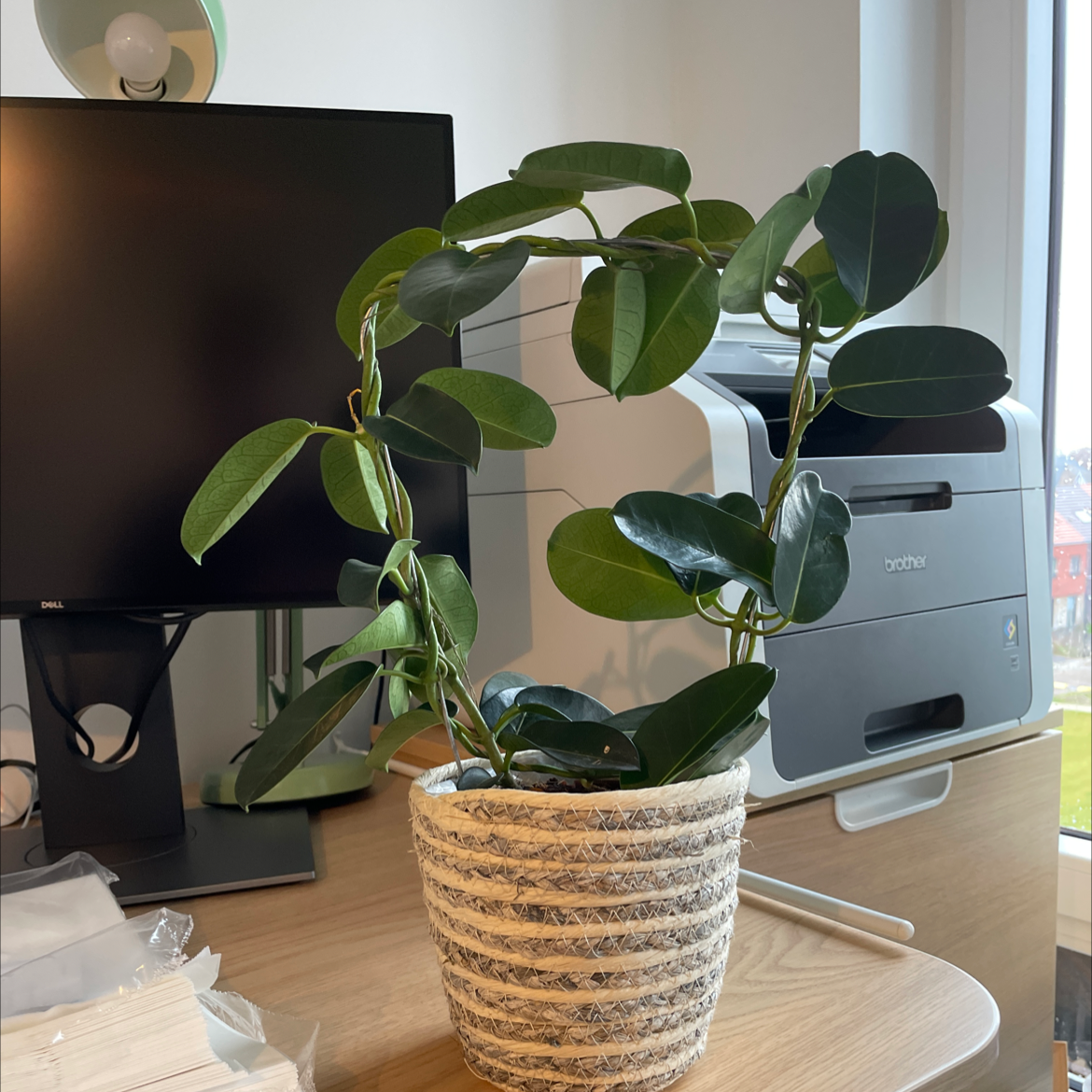
Stephanotis floribunda
Reviewed by Kiersten Rankel M.S.
QUICK ANSWER
Semi-hardwood stem cuttings taken in late spring or summer are the most reliable home method and root in 6 to 10 weeks under warm humid conditions. Air layering of a mature vine is slower at 2 to 4 months but has a higher success rate.
Seed propagation is possible if the vine produces fruit pods, which is rare in cultivation, and takes 6 to 8 weeks to germinate followed by 3 to 5 years before flowering. Seeds usually do not match the parent for cultivar traits.
Seed propagation is possible if the vine produces fruit pods, which is rare in cultivation, and takes 6 to 8 weeks to germinate followed by 3 to 5 years before flowering. Seeds usually do not match the parent for cultivar traits.
Stay on top of plant care
Get seasonal reminders for watering and fertilizing, personalized for your plants.
Try Greg Free
Pick your method
Tap one to jump to the walkthrough.
Semi-hardwood cuttings
Best in late spring while the vine is actively growing
Air layering
Best on a mature vine where you want a guaranteed new plant
From seed
Best when a vine produces a fruit pod, which is rare in cultivation
Semi-hardwood cuttings
Time
6–10 weeks
Level
Intermediate
Success rate
Moderate
You'll need
Sterile pruning shears
Rooting hormone (recommended)
4-inch pots with drainage
Perlite and peat mix (50/50)
Clear humidity dome or plastic bag
Heat mat (recommended)
1
Take cuttings in late spring or summer
Between May and August, look for stems that grew this year and have firmed up at the base while the tip is still actively pushing new leaves. The bark should be tan-green. Avoid fully soft tips and old gray vine sections.
2
Cut 4 to 6 inch pieces with 2 nodes
Cut just below a leaf node with sterile shears. Each cutting should have at least 2 nodes, with the bottom node where roots will emerge. Strip leaves from the bottom node and cut remaining leaves in half if they are large.
Stephanotis sap is white and sticky. Wipe the blade after each cut to keep the sap from gumming up future cuts.
Stephanotis sap is white and sticky. Wipe the blade after each cut to keep the sap from gumming up future cuts.
3
Dip in rooting hormone
Tap the cut end in rooting powder and shake off the excess. Stephanotis roots reluctantly without hormone, especially from named clones.
4
Insert into the rooting mix
Push each cutting 2 inches deep into a moist perlite and peat blend. Firm the medium so the cutting stands on its own. Use one cutting per 4-inch pot or space several 2 inches apart in a tray.
5
Cover and keep warm
Tent a clear plastic dome over the pot, propped above the leaves so plastic does not touch them. Place in bright indirect light at 75 to 80 degrees with a heat mat under the pot. Stephanotis is a tropical vine and roots faster with warm bottoms.
Vent the dome daily for 10 minutes to refresh air. The medium should feel like a wrung sponge. Mist the inside of the dome lightly if it dries between vents.
Vent the dome daily for 10 minutes to refresh air. The medium should feel like a wrung sponge. Mist the inside of the dome lightly if it dries between vents.
6
Pot up at 6 to 10 weeks
Tug gently after 6 weeks. Resistance means roots have formed. Pot rooted cuttings into 4-inch containers of well-drained mix and acclimate slowly to lower humidity over 2 weeks. Provide a small support or trellis once new growth begins.
WATCH FOR
Leaves yellowing and dropping while the stem stays green. The cutting is losing more water than the cut end can absorb, often because of low dome humidity or too-cool roots. Mist the inside of the dome, set the pot on a heat mat, and shorten any remaining leaves by half to reduce water demand. The cutting can recover if the stem is still firm.
Air layering
Time
2–4 months
Level
Intermediate
Success rate
High
You'll need
Mature healthy vine with woody stems
Sharp clean knife
Damp sphagnum moss
Clear plastic film or zip bag
Twist ties or electrical tape
Sterile shears for separation
1
Pick a healthy section
Choose a 1 to 2 year old stem section about pencil-thick. The section should be 12 to 18 inches back from the tip with healthy leaves above and below. Pick a stretch with at least one node visible to wound.
2
Wound the stem at a node
With a sharp clean knife, slice an upward cut about a third of the way through the stem at a node. Wedge a small piece of toothpick into the cut to keep it from healing closed. The wound is where roots will form.
Alternative: ring-bark by removing a half-inch wide ring of bark all the way around the stem at the node. Both methods work for stephanotis.
Alternative: ring-bark by removing a half-inch wide ring of bark all the way around the stem at the node. Both methods work for stephanotis.
3
Wrap with damp sphagnum moss
Squeeze a fistful of damp sphagnum moss around the wounded section so it covers 2 to 3 inches above and below the cut. The moss should be damp but not dripping. Wrap clear plastic film around the moss to seal in moisture.
4
Secure both ends
Tie or tape both ends of the plastic so the moss bundle is sealed against air. The plastic stays clear so you can monitor root growth without unwrapping.
5
Wait 8 to 16 weeks
Check weekly through the plastic. White roots will appear inside the moss within 8 to 16 weeks. Stephanotis roots faster in warm humid summer conditions and slower in cool indoor air, so timing depends on your environment.
6
Sever and pot up
Once you see a tangled mass of white roots filling the moss, cut the stem just below the moss bundle with sterile shears. Remove the plastic without disturbing the moss, and pot the rooted section into a 6-inch container of well-drained mix. Keep humid for the first 2 weeks while it adjusts.
WATCH FOR
Moss turning brown and dry inside the plastic with no roots after 6 weeks. The wrap was not sealed tight enough and the moss dried out. Open carefully, soak the moss in water, squeeze to damp, re-wrap, and re-seal both ends. Stephanotis air layers tolerate one rewrap if you catch the dry moss before the wound dries.
From seed
Time
6–8 weeks germination + 3–5 years to flower
Level
Advanced
Success rate
Low
You'll need
Fresh seeds from a ripe stephanotis pod
Bowl of warm water for soaking
Seed-starting mix
Small pots or seed cells with drainage
Clear plastic cover
Heat mat (recommended)
1
Collect seed from a mature pod
Stephanotis fruit is a smooth pear-shaped pod that takes most of a year to ripen. Once it splits open, collect the silky-tufted seeds inside. Use seeds within a few weeks of collection, since viability drops fast.
2
Remove the silky tufts and soak
Strip the parachute-like silk from the seeds, since the silk only matters for wind dispersal and slows germination at home. Soak the seeds in warm water for 24 hours to soften the coat.
3
Sow on the surface and barely cover
Press each seed onto the surface of a moistened seed-starting mix and cover with a quarter inch of mix. Water gently from below to avoid washing seeds out of place.
4
Provide bottom heat
Place pots on a heat mat at 75 to 80 degrees in bright indirect light, covered with clear plastic. Stephanotis seeds need consistent warmth to germinate and stall in cool conditions.
Lift the cover daily to let in fresh air and check that the surface is not drying out. Mist if needed.
Lift the cover daily to let in fresh air and check that the surface is not drying out. Mist if needed.
5
Wait 6 to 8 weeks for germination
Seedlings emerge slowly as a single shoot with 2 narrow seed leaves. Some seeds take longer, so do not give up until 12 weeks have passed.
6
Grow on with patience
Move seedlings off the heat mat and into a 4-inch pot once they have 4 true leaves. Provide a small support to climb. Expect 3 to 5 years before the first flowers, and accept that seed-grown plants vary in flower size and form from the parent.
WATCH FOR
Seeds sitting in damp soil for over 8 weeks with no sprouting. The soil cooled too far below 75 degrees or the seed coat was not softened enough. Move pots to a warmer spot, keep on a heat mat, and lift seeds gently to check for swelling. If seeds feel hard and unchanged, soak again for another 24 hours and resow.
Stay on top of plant care
Get seasonal reminders for watering and fertilizing, personalized for your plants.
Try Greg Free
About This Article

Kiersten Rankel M.S.
Botanical Data Lead at Greg · Plant Scientist
Editorial Process
Propagation methods verified against Stephanotis floribunda growth data from Greg's botanical database, cross-referenced with USDA hardiness zone data and published horticultural research.
393+ Greg users growing this plant
USDA hardiness zones 10a–11b