🌸 Madagascar Jasmine is Not an Invasive Plant
Stephanotis floribunda
By the Greg Editorial Team
Sep 30, 2024•6 min read
This article was created with the help of AI so we can cover more plants for you. May contain errors. See one? Report it here.
- 🌼 Madagascar Jasmine enhances biodiversity without being invasive, coexisting with other plants.
- 🐝 Attracts pollinators like bees and butterflies, enriching garden ecosystems.
- 🌱 Thrives in well-drained soil and tropical climates, limiting its spread naturally.
Plant Classification
Definition of Invasive Plants 🌱
Invasive plants are notorious for their aggressive growth patterns. They often outcompete native flora, disrupt local ecosystems, and can even alter habitats.
Madagascar Jasmine, however, is not one of these troublemakers. It thrives in specific conditions without overwhelming its surroundings, making it a welcome addition to gardens rather than a threat.
This plant prefers well-drained, fertile soil and tropical climates, which naturally limits its spread. Unlike invasive species, it doesn’t aggressively take over; instead, it coexists harmoniously with other plants.
Understanding these distinctions is crucial for gardeners. By recognizing the traits of invasive plants, you can appreciate Madagascar Jasmine's unique role in enhancing garden biodiversity without the worry of it becoming a nuisance.
As we delve deeper into its growth habits, you'll see just how well-suited this plant is for your garden.
Growth Habits
🌱 Typical Growth Patterns
Madagascar Jasmine, known for its stunning vine or shrub-like structure, showcases seasonal growth that captivates gardeners. Its flowering periods typically occur in warmer months, producing fragrant blooms that attract pollinators.
This plant thrives in tropical and subtropical climates, favoring well-drained, fertile soil. Its growth is naturally limited, allowing it to flourish without overwhelming its surroundings.
🌿 Spread Potential and Management
The spread of Madagascar Jasmine is limited due to its specific growth requirements. This makes it an excellent choice for gardeners looking to maintain control over their landscape.
To manage its growth effectively, consider these easy practices:
- Regular pruning helps maintain the desired shape and size.
- Monitoring for overgrowth ensures it doesn't encroach on adjacent areas.
By following these simple steps, you can enjoy the beauty of Madagascar Jasmine while keeping it in check. This balance allows for a vibrant garden without the worry of invasive tendencies.
Ecological Role
Benefits in Garden Ecosystems 🌼
Madagascar Jasmine plays a vital role in enhancing biodiversity. Its fragrant flowers attract a variety of pollinators, including bees and butterflies, which are essential for a thriving garden ecosystem.
This plant also serves as a food source for local wildlife, creating a balanced environment. By incorporating Madagascar Jasmine, gardeners can foster a lively habitat that supports various species.
Positive Interactions with Local Wildlife 🐦
Beyond attracting pollinators, Madagascar Jasmine provides shelter for local birds. Its dense foliage offers a safe haven, allowing birds to nest and find food.
This interaction not only benefits the birds but also enriches the garden's overall ecosystem. By supporting local wildlife, Madagascar Jasmine contributes to a healthier, more vibrant garden environment.
As we explore the practical aspects of incorporating Madagascar Jasmine into garden designs, it’s essential to consider how its ecological benefits can enhance your outdoor space.
Garden Management
Effective Incorporation into Garden Designs 🌿
Madagascar Jasmine can be a stunning addition to various garden styles. Consider using it on trellises for vertical growth, or as a border plant to create a lush, fragrant edge.
Companion planting can enhance both growth and aesthetics. Pair Madagascar Jasmine with plants like marigolds or lavender to attract beneficial pollinators and create a vibrant garden palette.
Aesthetic Considerations for Growth Control ✂️
To maintain the visual appeal of Madagascar Jasmine, regular pruning is essential. This helps keep the plant's shape and encourages healthy growth.
Using supports like trellises can guide its growth effectively. This not only controls its spread but also adds an elegant touch to your garden design.
Maintenance Tips for Healthy Growth 💧
Watering is crucial for Madagascar Jasmine, especially during dry spells. Aim for consistent moisture without waterlogging the soil.
Fertilization should be done with a balanced fertilizer every few months. This ensures the plant receives the nutrients it needs to thrive.
Pest management is also key to keeping Madagascar Jasmine healthy. Regularly check for common pests and use organic solutions to address any issues promptly.
Incorporating Madagascar Jasmine into your garden can be both rewarding and visually stunning. With the right management techniques, you can enjoy its beauty while ensuring it remains a non-invasive presence.
Comparison to Other Plants
🌱 Similar Non-Invasive Plants
When considering companions for Madagascar Jasmine, several non-invasive plants shine. Options like Honeysuckle, Creeping Thyme, and Coral Bells not only coexist well but also enhance the garden's overall appeal.
- Honeysuckle: Known for its sweet fragrance and vibrant blooms, it attracts pollinators while maintaining a manageable growth habit.
- Creeping Thyme: This low-growing herb offers a lush carpet of green and purple flowers, perfect for ground cover without overwhelming nearby plants.
- Coral Bells: With its colorful foliage and delicate flowers, Coral Bells adds visual interest and thrives in similar conditions as Madagascar Jasmine.
These plants share characteristics that make them suitable alternatives, such as low maintenance and compatibility with various garden styles.
🌼 Unique Qualities of Madagascar Jasmine
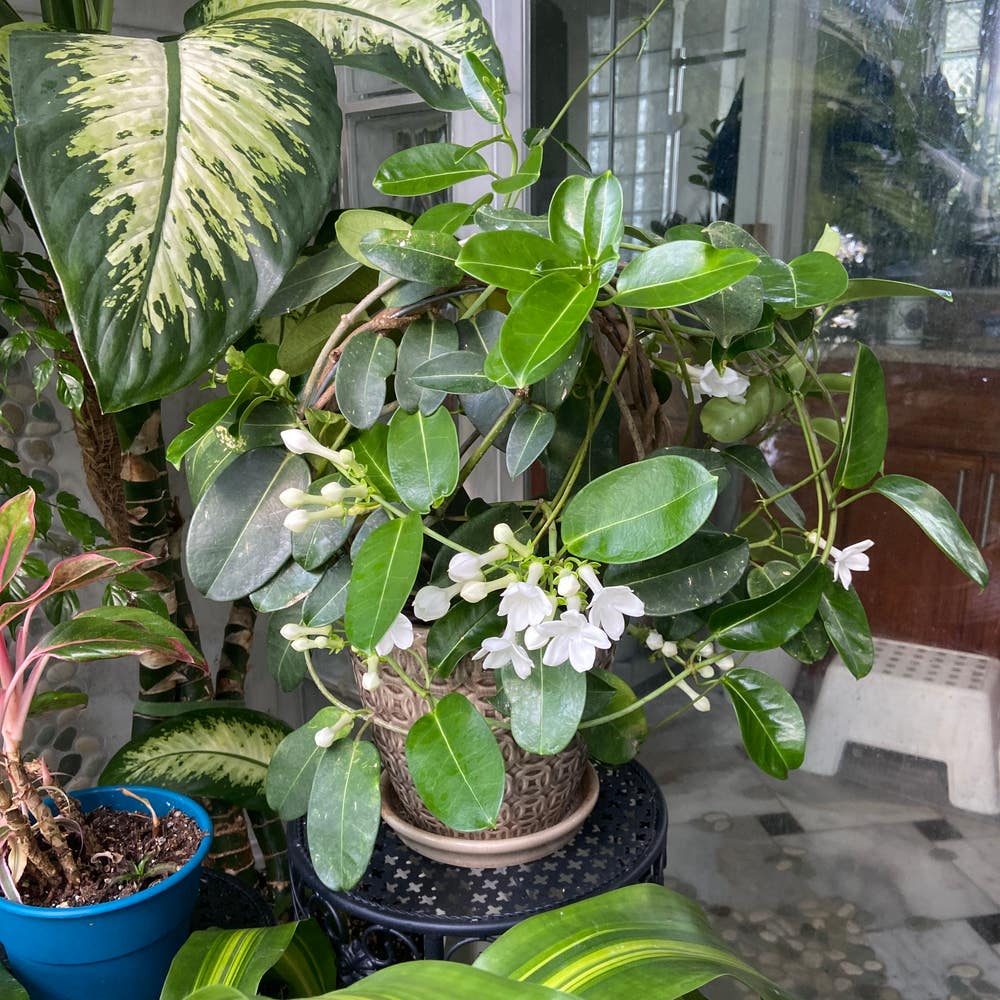
Madagascar Jasmine stands out with its unique features that make it a favorite among gardeners. Its fragrance is intoxicating, often filling the air with a sweet scent that draws you in.
The flower structure is equally captivating, showcasing clusters of star-shaped blooms that add a touch of elegance. Additionally, its growth habits are versatile; whether you train it on a trellis or let it sprawl, it adapts beautifully to your garden's design.
These distinctive qualities not only enhance your garden's aesthetics but also provide a sensory experience that few other plants can match.
As you explore the possibilities of incorporating Madagascar Jasmine, consider how its unique traits can complement your garden's overall design. This plant not only beautifies but also enriches the ecosystem, making it a valuable addition to any green space.
With these insights, you're well-equipped to make informed choices about your garden companions, ensuring a vibrant and harmonious landscape.
Legal and Environmental Considerations
🌱 Sustainable Gardening Practices
Choosing non-invasive plants is crucial for sustainable gardening. By selecting species like Madagascar Jasmine, you contribute to a balanced ecosystem without overwhelming local flora.
When sourcing Madagascar Jasmine, consider local nurseries that prioritize responsible practices. This ensures that your plants are healthy and ethically grown, reducing the risk of introducing pests or diseases into your garden.
📜 Guidelines for Responsible Planting
To plant Madagascar Jasmine effectively, start by selecting the right location. Ensure it has well-drained, fertile soil and enough sunlight to thrive.
Regular maintenance is key to keeping your garden healthy. Prune your Madagascar Jasmine to control its growth and monitor for any signs of overextension into neighboring areas.
Adhering to local regulations is essential for promoting sustainability. Familiarize yourself with guidelines that protect native ecosystems and ensure your gardening practices align with environmental standards.
By following these best practices, you can enjoy the beauty of Madagascar Jasmine while supporting a healthy garden ecosystem. This approach not only enhances your space but also contributes positively to the environment.
⚠️ Safety First
This content is for general information and may contain errors, omissions, or outdated details. It is not medical, veterinary advice, or an endorsement of therapeutic claims.
Always consult a qualified healthcare professional before using any plant as food, medicine, or supplement.
Never eat any plant (or feed one to pets) without confirming its identity with at least two trusted sources.
If you suspect poisoning, call Poison Control (800) 222-1222, the Pet Poison Helpline (800) 213-6680, or your local emergency service immediately.
Spotted an error? Please report it here.
Enhance your garden's biodiversity with Madagascar Jasmine's beauty and benefits 🌿—let Greg guide you with tailored care tips to keep it thriving and attracting pollinators!