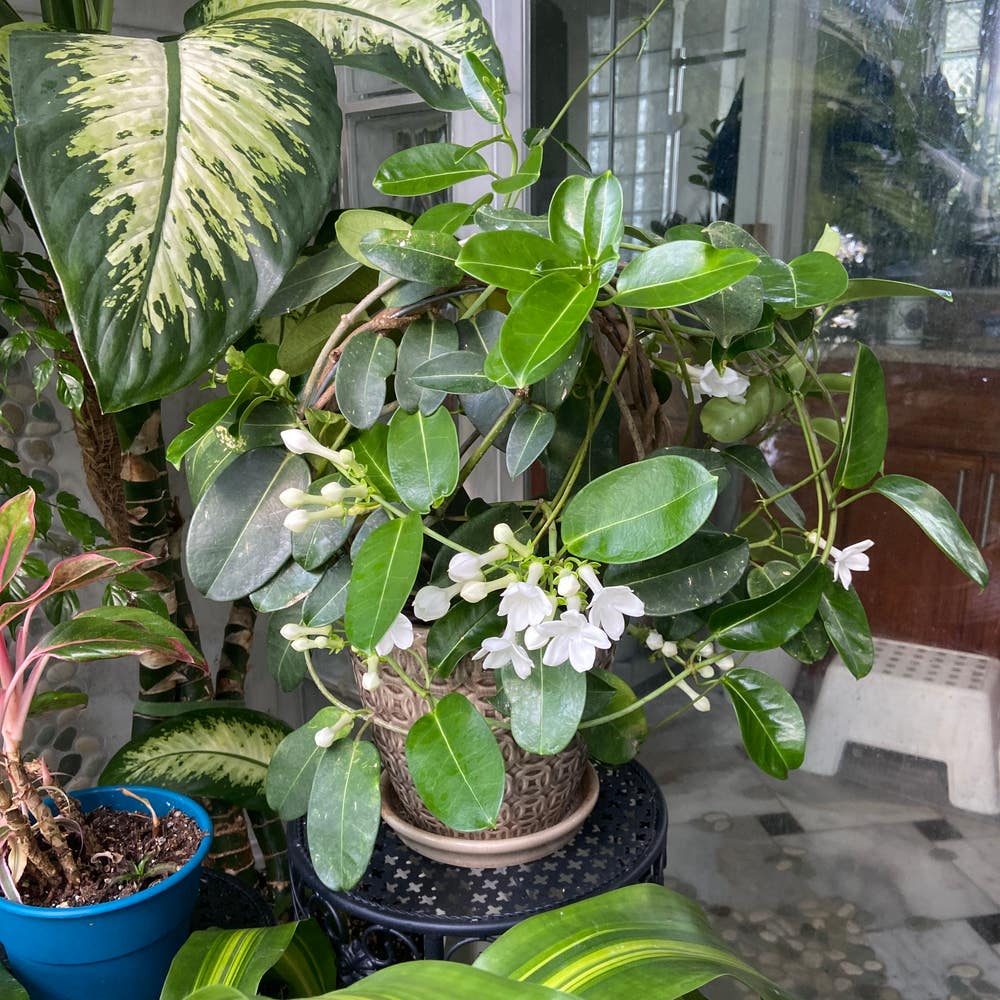
❄️ 4 Winter Threats to Your Madagascar Jasmine
Stephanotis floribunda
By the Greg Editorial Team
Sep 30, 2024•4 min read
This article was created with the help of AI so we can cover more plants for you. May contain errors. See one? Report it here.
- ❄️ Protect Madagascar Jasmine from frost using cloths or blankets for insulation.
- 🌡️ Maintain indoor temperatures between 60°F to 75°F for optimal winter health.
- 💧 Adjust watering to prevent root rot; monitor moisture levels closely.
Winter Care Requirements
❄️ Frost Protection Methods
Winter can be tough on your Madagascar Jasmine, but a few simple frost protection methods can make a big difference. Cover your plants with frost cloths or blankets to shield them from harsh temperatures.
Consider relocating pots to sheltered areas or even indoors during particularly cold snaps. This small adjustment can significantly enhance their chances of survival. Additionally, applying a layer of mulch around the base helps insulate the roots, keeping them warm and protected.
💧 Adjusting Watering Schedules During Winter
As temperatures drop, it's crucial to adjust your watering schedule. Allow the soil to dry out slightly between waterings to prevent root rot, which can be a common issue in winter.
Monitoring moisture levels is essential. If you notice wilting leaves or dry soil, it may be time to increase your watering frequency. Conversely, if the leaves are yellowing, you might be overwatering.
🌱 Fertilizing Practices in Winter
During winter, your Madagascar Jasmine enters a dormant phase, so minimal fertilization is key. Heavy feeding can stress the plant, but if necessary, you can use a diluted fertilizer.
Timing is everything; fertilize sparingly in late winter to prepare your plant for the upcoming spring growth. Opt for a balanced, water-soluble fertilizer to ensure your plant gets the nutrients it needs without overwhelming it.
By following these winter care requirements, you can help your Madagascar Jasmine thrive even in the coldest months. Next, let’s explore how to create the best indoor conditions for your plant during winter.
Indoor Winter Care
🌡️ Best Indoor Conditions for Madagascar Jasmine
To keep your Madagascar Jasmine thriving indoors during winter, aim for a temperature range of 60°F to 75°F (15°C to 24°C). This cozy environment helps the plant maintain its health and vitality.
Humidity is also crucial; strive for levels between 40-60%. If your home is dry, consider using a humidifier to create a more hospitable atmosphere.
💡 Light Requirements for Indoor Plants in Winter
Your Madagascar Jasmine craves bright, indirect light. Position it near south or west-facing windows to give it the best chance to soak up those precious rays.
If natural light falls short, don’t hesitate to use grow lights. They can provide the extra boost your plant needs to stay vibrant and healthy during the darker months.
By ensuring the right indoor conditions and light, you set your Madagascar Jasmine up for success this winter. Next, let’s explore how to prepare it for the upcoming spring growth.
Spring Preparation
🌱 Signs of Recovery from Winter Damage
As spring approaches, keep an eye out for new growth on your Madagascar Jasmine. Fresh leaves and shoots are a promising sign that your plant is bouncing back from winter's chill.
Monitor the health of the leaves closely. Yellowing or browning can indicate stress, so address any issues promptly to ensure a healthy recovery.
✂️ Preparing Madagascar Jasmine for Spring Growth
Pruning is essential for your plant's rejuvenation. Remove any dead or damaged growth to encourage fresh development and improve airflow.
Gradual acclimatization is key as temperatures rise. Slowly reintroduce your Madagascar Jasmine to outdoor conditions to help it adjust without shock.
With these steps, your plant will be well on its way to thriving in the warmer months ahead. Transitioning into spring care sets the stage for a vibrant growing season.
Common Winter Problems and Solutions
❄️ Identifying Frost Damage
Frost can wreak havoc on your Madagascar Jasmine. Look for symptoms like brown or blackened leaves, wilting, and stunted growth.
To recover, trim away the damaged areas and ensure you provide optimal care conditions. This will help your plant bounce back stronger.
💧 Addressing Overwatering or Underwatering in Winter
Watering can be tricky during winter. Signs of overwatering include yellowing leaves and mushy stems; if you notice these, adjust your watering practices immediately.
On the flip side, underwatering manifests as dry soil and wilting. If you spot these signs, gradually increase your watering frequency to revive your plant.
🧣 Tips for Enhancing Cold Hardiness
To protect your Madagascar Jasmine from extreme cold, consider using protective coverings. This simple step can make a significant difference.
Also, think about microclimates in your garden. Positioning your plants in warmer areas can shield them from harsh conditions.
Lastly, keep an eye on weather forecasts to anticipate cold snaps. Being proactive can save your plants from unnecessary stress.
With these strategies, your Madagascar Jasmine can thrive even in winter's chill. Next, let’s explore how to prepare your plant for the vibrant growth of spring!
⚠️ Safety First
This content is for general information and may contain errors, omissions, or outdated details. It is not medical, veterinary advice, or an endorsement of therapeutic claims.
Always consult a qualified healthcare professional before using any plant as food, medicine, or supplement.
Never eat any plant (or feed one to pets) without confirming its identity with at least two trusted sources.
If you suspect poisoning, call Poison Control (800) 222-1222, the Pet Poison Helpline (800) 213-6680, or your local emergency service immediately.
Spotted an error? Please report it here.
Keep your Madagascar Jasmine thriving this winter ❄️ with Greg's tailored watering alerts and care tips, ensuring it flourishes until spring!