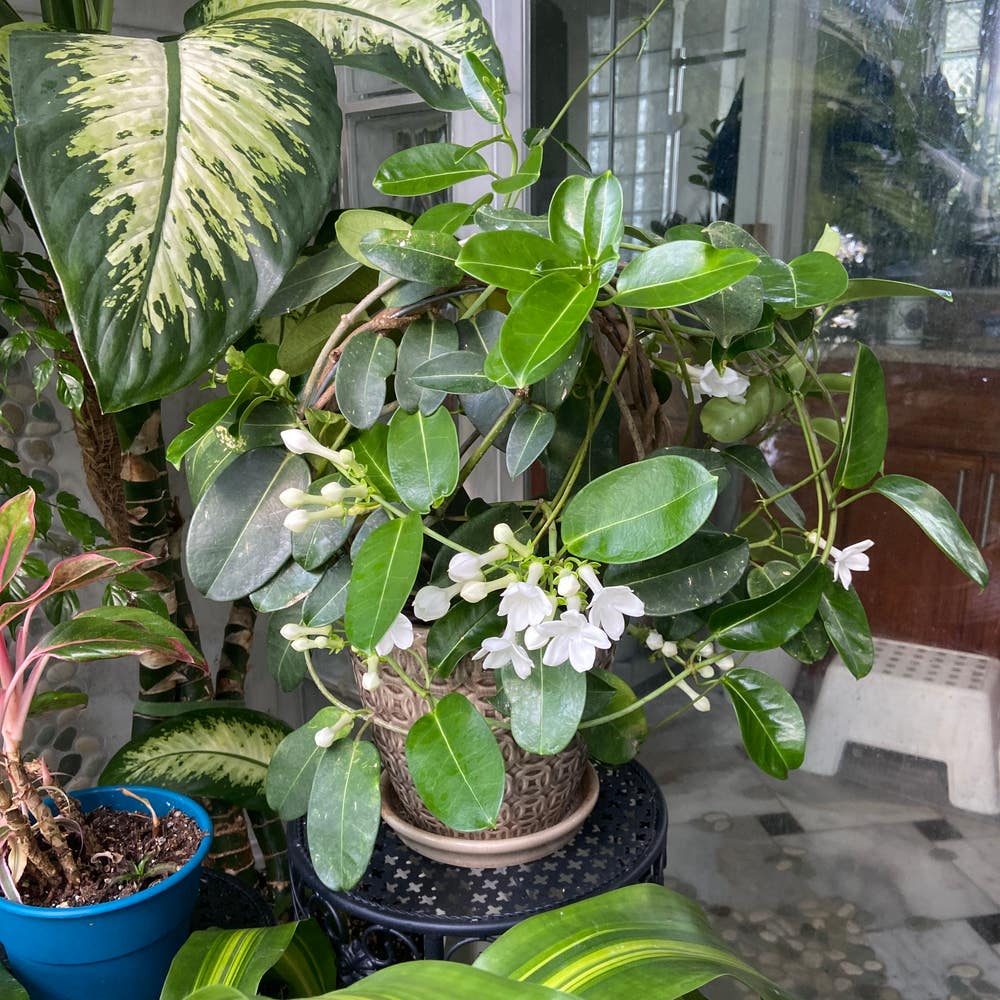
🌸 Why Madagascar Jasmine Is A Perennial Plant
Stephanotis floribunda
By the Greg Editorial Team
Sep 30, 2024•5 min read
This article was created with the help of AI so we can cover more plants for you. May contain errors. See one? Report it here.
- 🌱 Madagascar Jasmine is a true perennial, regrowing from roots each year.
- 🌼 Fragrant flowers attract pollinators, enhancing your garden's ecosystem.
- 🌞 Optimal care extends lifespan to 5-10 years, reducing replanting needs.
Characteristics of Madagascar Jasmine as a Perennial
Multi-Year Lifecycle 🌱
Madagascar Jasmine is a true perennial, showcasing its remarkable ability to regrow from established roots each year. This resilience allows it to thrive season after season, making it a favorite among gardeners.
Its climbing growth habit not only adds vertical interest to gardens but also reinforces its classification as a perennial. This plant can reach impressive heights, creating a lush, green backdrop that enhances any outdoor space.
One of the most enchanting features of Madagascar Jasmine is its fragrant flowers. These blooms not only delight the senses but also attract pollinators, playing a vital role in the ecosystem.
In summary, the combination of its robust root system, climbing nature, and aromatic flowers makes Madagascar Jasmine a standout perennial. This plant not only beautifies gardens but also supports local wildlife, enriching the gardening experience.
As we explore its growth patterns and regrowth, we’ll uncover how these characteristics contribute to its perennial status.
Growth Patterns and Regrowth
Root System Characteristics 🌱
Madagascar Jasmine thrives thanks to its established root system, which plays a crucial role in its ability to regrow each year. These roots are not just anchors; they are adept at absorbing nutrients and water, ensuring the plant has everything it needs to flourish.
Seasonal Growth Patterns 🌸
During the warm months, Madagascar Jasmine bursts into active growth, showcasing its vibrant foliage and fragrant blooms. However, as temperatures dip, the plant slows down, entering a period of dormancy that allows it to conserve energy until the warmth returns.
This seasonal rhythm is essential for its survival, adapting beautifully to the changing climate. Understanding these patterns can help gardeners anticipate the plant's needs and ensure it remains healthy year after year.
As we explore the flowering cycles and lifespan of Madagascar Jasmine, we’ll uncover more about its remarkable resilience and beauty.
Flowering and Lifespan
Flowering Cycles 🌸
Madagascar Jasmine typically blooms during the warmer months, with its peak flowering season occurring in late spring to early summer. The timing of these blooms can vary based on several factors, including temperature, light exposure, and moisture levels.
Temperature plays a crucial role in triggering flowering. Warmer conditions generally encourage more prolific blooms. Similarly, adequate light is essential; too little can stunt growth and flowering. Moisture levels also matter—consistent watering supports vibrant flowers, while drought can lead to reduced blooming.
Expected Lifespan ⏳
Under optimal conditions, Madagascar Jasmine can live between 5 to 10 years. However, its longevity is influenced by various factors, including soil quality, climate conditions, and care practices.
Healthy, nutrient-rich soil promotes robust growth and flowering. Additionally, a stable climate helps maintain the plant’s vitality. Regular care, such as proper watering and occasional fertilization, can significantly extend its lifespan, ensuring that your garden remains vibrant for years to come.
Understanding these flowering cycles and lifespan factors can help you cultivate a thriving Madagascar Jasmine, enhancing your garden's beauty and resilience. As we explore the next section, we'll dive into the plant's dormancy and how it adapts to seasonal changes.
Dormancy and Seasonal Changes
🌱 Description of Dormancy
Madagascar Jasmine exhibits distinct signs of dormancy, such as leaf drop and noticeably reduced growth. This phase is essential for the plant's survival, allowing it to conserve energy during less favorable conditions.
The duration of dormancy can vary significantly depending on the climate zone. In warmer regions, dormancy may be brief, while in cooler areas, it can last several months.
🍂 Seasonal Adaptations
The plant's behavior changes dramatically between tropical and temperate climates. In tropical zones, Madagascar Jasmine may remain evergreen, while in temperate regions, it may shed leaves and slow down growth.
Frost and temperature fluctuations play a crucial role in its growth and flowering. These factors can trigger dormancy or affect the timing of blooms, making it vital for gardeners to understand their local climate conditions.
Understanding these seasonal changes helps in planning care routines, ensuring your Madagascar Jasmine thrives year after year. With the right knowledge, you can enjoy its beauty and fragrance through every season.
Gardening Advantages
Benefits of Reduced Replanting 🌱
Madagascar Jasmine offers significant cost-effectiveness as a perennial plant. Once established, it eliminates the need for annual replanting, saving both time and money.
This plant's longevity means less labor-intensive upkeep compared to annuals. You can enjoy its beauty year after year without the hassle of starting from scratch.
Advantages of Established Root Systems 🌳
The established root systems of Madagascar Jasmine enhance its resilience. These roots provide better drought tolerance and improved access to nutrients, ensuring the plant thrives even in challenging conditions.
Additionally, the stability offered by these roots makes it an excellent choice for garden settings. You can count on it to hold its ground, adding beauty and structure to your landscape.
With these advantages, Madagascar Jasmine stands out as a smart choice for gardeners looking to create a vibrant, low-maintenance garden.
As we explore the next section, let’s dive into how to maximize the benefits of this remarkable perennial.
Maximizing Perennial Benefits
Tips for Garden Planning 🌱
When planning your garden, consider the sunlight and space requirements for Madagascar Jasmine. This climbing plant thrives when given ample room to grow, so position it near a trellis or fence to support its upward journey.
Companion planting can also enhance your garden's aesthetics and growth. Pair Madagascar Jasmine with other plants that share similar care needs, creating a vibrant and harmonious environment.
Long-Term Cultivation Strategies 🌿
Regular monitoring of soil health and moisture levels is crucial for the vitality of your Madagascar Jasmine. Ensuring the right balance of nutrients and hydration will promote robust growth and flowering.
Seasonal pruning is another key strategy. Trimming back the plant encourages new growth and can lead to more abundant blooms, keeping your garden lively and colorful throughout the seasons.
By implementing these strategies, you can maximize the benefits of your perennial plants, ensuring a thriving garden year after year.
⚠️ Safety First
This content is for general information and may contain errors, omissions, or outdated details. It is not medical, veterinary advice, or an endorsement of therapeutic claims.
Always consult a qualified healthcare professional before using any plant as food, medicine, or supplement.
Never eat any plant (or feed one to pets) without confirming its identity with at least two trusted sources.
If you suspect poisoning, call Poison Control (800) 222-1222, the Pet Poison Helpline (800) 213-6680, or your local emergency service immediately.
Spotted an error? Please report it here.
Enhance your garden with the fragrant blooms of Madagascar Jasmine 🌿 while Greg provides tailored care tips to help your perennial thrive year after year!