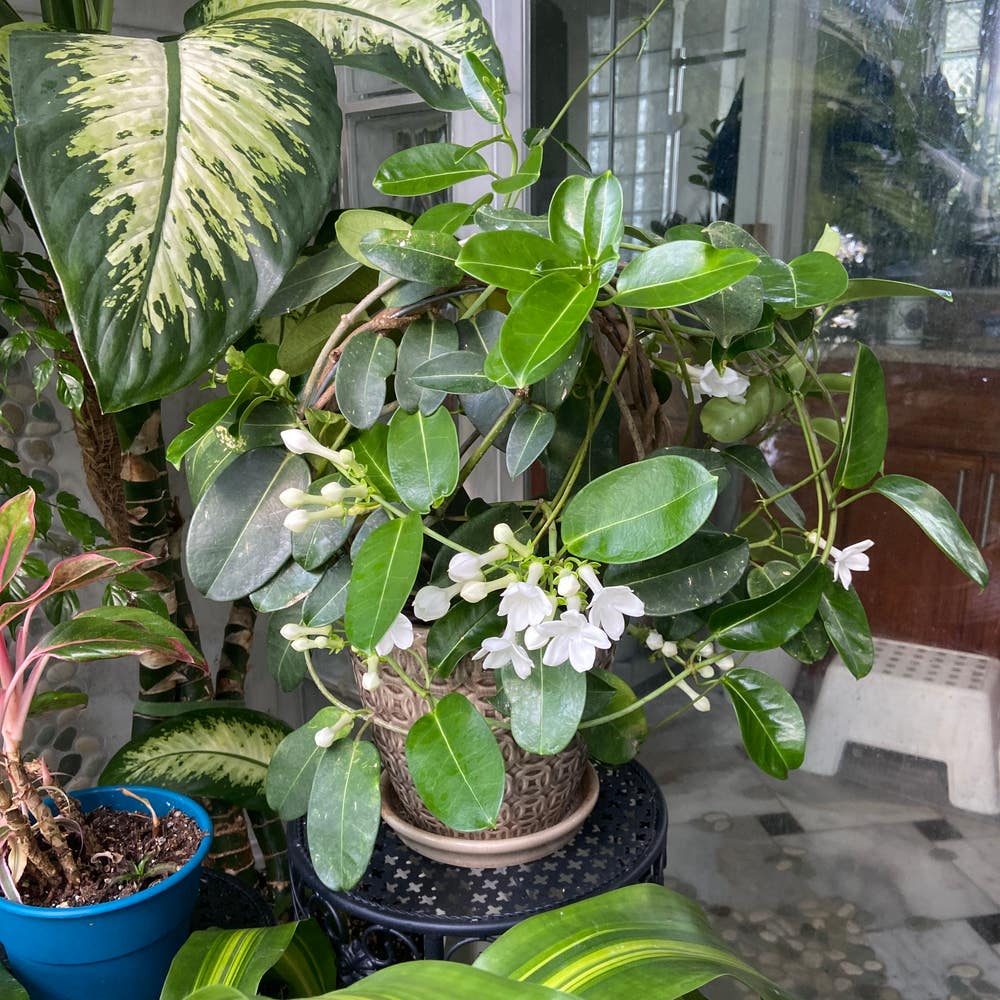
🌸 Best Tips for Dealing with Black Spots on Madagascar Jasmine
Stephanotis floribunda
By the Greg Editorial Team
Sep 30, 2024•5 min read
This article was created with the help of AI so we can cover more plants for you. May contain errors. See one? Report it here.
- 🌿 Inspect leaves regularly for black spots to catch issues early and assess damage.
- 💧 Overwatering and high humidity promote fungal growth, leading to black spots on leaves.
- ✂️ Prune affected leaves promptly to prevent infection spread and maintain plant health.
Diagnosing Black Spots
👀 How to Inspect Leaves
Start by visually examining both sides of the leaves. Look for any spots or discoloration that might indicate a problem.
Next, assess the texture of the leaves. Feel for any roughness or lesions that could signal disease or pest damage.
🌧️ Environmental Factors Contributing to Black Spots
Soil moisture plays a crucial role in plant health. Overly wet conditions can lead to fungal growth, which often manifests as black spots.
Humidity levels are another factor to consider. High humidity can promote bacterial and fungal diseases, making your Madagascar Jasmine more vulnerable.
Light exposure is equally important. Insufficient light can weaken the plant, increasing its susceptibility to various issues, including black spots.
🐞 Common Pests Associated with Black Spots
Aphids are notorious for causing stress in plants, which can lead to the appearance of black spots. Keep an eye out for these tiny pests.
Spider mites can also be a problem. Their infestations weaken leaves, making them more prone to disease.
Lastly, scale insects can create a conducive environment for infections. Their presence often indicates that your plant is under stress and needs immediate attention.
By understanding these diagnostic steps, you can effectively identify the causes of black spots on your Madagascar Jasmine. This knowledge sets the stage for effective treatment and prevention strategies.
Treating Black Spots
🛠️ Step-by-Step Treatment Options
Dealing with black spots on your Madagascar Jasmine requires a systematic approach. Start by removing affected leaves; use clean, sharp scissors to prevent spreading any potential infection.
Next, apply a fungicide specifically labeled for leaf spot treatment. This will help combat any fungal issues that may be present.
Finally, monitor your soil moisture closely. Adjust your watering habits to prevent overwatering, which can exacerbate the problem.
🌱 Organic vs. Chemical Treatments
When it comes to treatments, you have options. Organic treatments like neem oil, baking soda solutions, and copper fungicides are effective and environmentally friendly.
For severe cases, consider chemical treatments such as systemic fungicides. These can provide a more aggressive approach to tackling stubborn infections.
✂️ How to Prune Affected Leaves
Timing is crucial when pruning affected leaves. Aim to prune during dry weather to minimize the risk of further infection.
Use the right technique by cutting leaves at the base. Be careful to avoid damaging any healthy tissue, as this can lead to additional stress for your plant.
By following these treatment steps, you can effectively manage black spots and keep your Madagascar Jasmine thriving. Next, let’s explore how to prevent these issues from arising in the first place.
Preventing Black Spots
🌊 Best Watering Practices
To keep your Madagascar Jasmine healthy, establish a consistent watering schedule. Allow the top inch of soil to dry out between waterings to prevent soggy conditions that can lead to black spots.
Using room temperature water is ideal. Avoid overhead watering, as this can create a humid environment that fosters fungal growth.
🌬️ Importance of Air Circulation
Air circulation is crucial for preventing black spots. Ensure there’s adequate space between your plants to promote airflow, which helps reduce humidity levels around the foliage.
Avoid placing your plants in crowded areas. This can trap moisture and create a breeding ground for diseases.
🌱 Recommended Soil Types and Drainage
Choosing the right soil is essential for your plant's health. Use a well-draining potting mix that includes perlite or sand to enhance drainage.
Make sure your pots have drainage holes. Adding gravel at the bottom can further improve drainage, ensuring your Madagascar Jasmine thrives without the risk of black spots.
By following these preventive measures, you can significantly reduce the chances of black spots developing on your Madagascar Jasmine. Next, let’s explore seasonal considerations to keep your plant in top shape year-round.
Seasonal Considerations
Care During Different Seasons 🌷
Spring is a time of rejuvenation for your Madagascar Jasmine. Increase watering as growth resumes, and keep an eye out for new shoots.
In summer, humidity becomes crucial. Ensure your plant stays hydrated but avoid direct sunlight to prevent leaf scorch.
As fall approaches, it's wise to reduce watering since growth slows down. This is also the perfect time to inspect for any signs of disease.
During winter, maintaining humidity levels is essential. Avoid cold drafts and be cautious not to overwater, as the plant's needs change.
Adjusting Humidity and Temperature 💧
Aim for humidity levels between 50-70% for optimal growth. If your home is dry, consider using a humidifier to create a more favorable environment.
Temperature matters too! Keep your Madagascar Jasmine in a range of 18°C to 24°C (65°F to 75°F) to ensure it thrives.
Monitoring Plant Health Throughout the Year 🔍
Regular inspections are key. Check for signs of black spots and pests at least once a month to catch any issues early.
Don't forget to keep a record of your plant's health and care routines. Documenting changes helps you understand what works best for your Madagascar Jasmine.
By staying proactive with seasonal care, you'll foster a healthy, vibrant plant that flourishes year-round. Next, let's explore how to prevent those pesky black spots from appearing in the first place.
⚠️ Safety First
This content is for general information and may contain errors, omissions, or outdated details. It is not medical, veterinary advice, or an endorsement of therapeutic claims.
Always consult a qualified healthcare professional before using any plant as food, medicine, or supplement.
Never eat any plant (or feed one to pets) without confirming its identity with at least two trusted sources.
If you suspect poisoning, call Poison Control (800) 222-1222, the Pet Poison Helpline (800) 213-6680, or your local emergency service immediately.
Spotted an error? Please report it here.
Keep your Madagascar Jasmine spot-free 🌿 by using Greg's tailored watering reminders and pest alerts to ensure it thrives all year round!