5 Tips for Blooming Your Madagascar Jasmine 🌸
Stephanotis floribunda
By the Greg Editorial Team
Sep 30, 2024•4 min read
This article was created with the help of AI so we can cover more plants for you. May contain errors. See one? Report it here.
- 🌸 Madagascar Jasmine blooms beautifully with proper care and environmental conditions.
- 🌞 Ensure 6-8 hours of sunlight daily for optimal flowering and health.
- 🌱 Prune after flowering to stimulate new growth and encourage future blooms.
Flowering Status
Clarification on Flowering Status 🌸
Madagascar Jasmine is celebrated for its stunning flowers that not only captivate the eye but also fill the air with a delightful fragrance. Understanding how and when these blooms appear can enhance your gardening experience.
The flowering process hinges on several factors, including environmental conditions, care practices, and the overall health of the plant. Each of these elements plays a crucial role in determining whether your Madagascar Jasmine will flourish with beautiful blooms.
By paying attention to these factors, you can create an optimal environment for your plant, ensuring it reaches its full blooming potential. Whether you're a seasoned gardener or a curious beginner, knowing what influences flowering can help you cultivate a thriving Madagascar Jasmine.
If Madagascar Jasmine Flowers
🌼 Flower Characteristics
Description of Colors and Structure
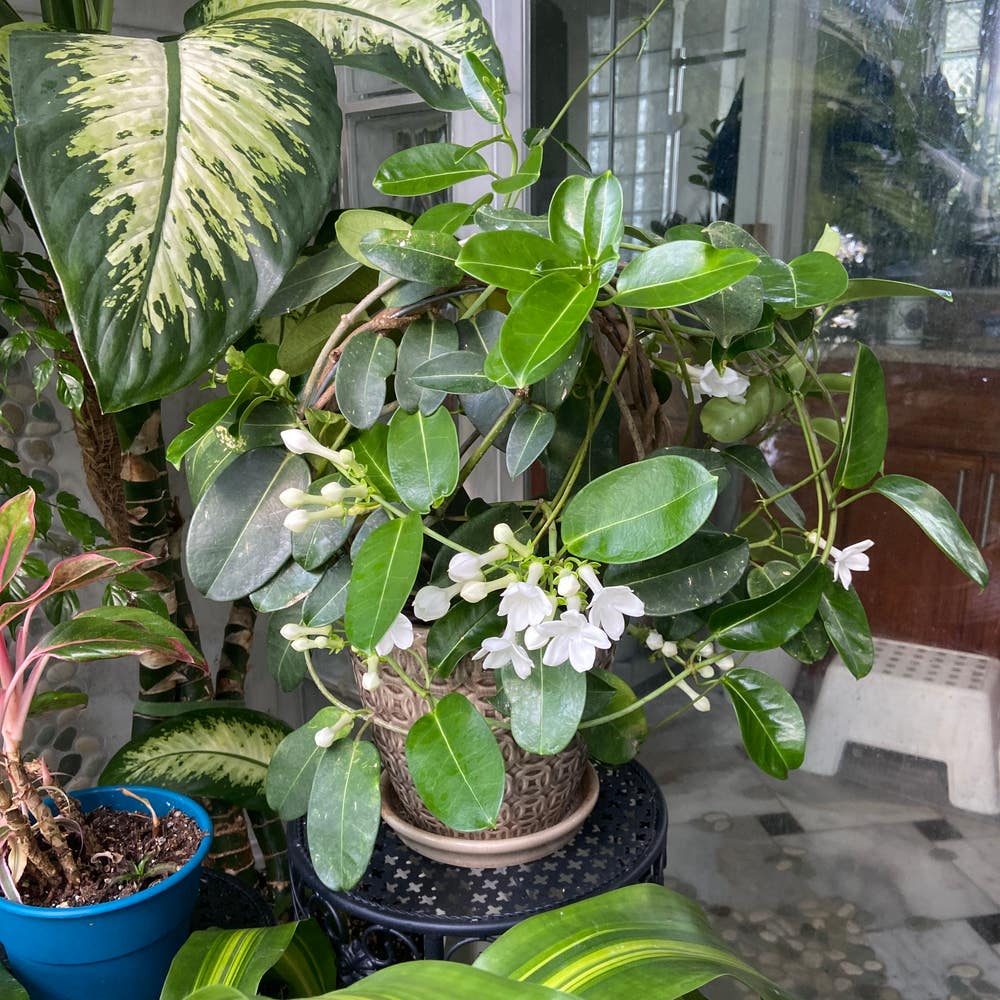
Madagascar Jasmine flowers are a sight to behold. Their waxy white, star-like petals emit a strong, sweet fragrance that can fill a room.
Some varieties may surprise you with cream or pale yellow blooms, adding a unique touch to your garden.
Pollination
These flowers rely on external pollination, primarily by insects. This moderate-level requirement means that a healthy ecosystem around your plant is essential for optimal blooming.
🌸 Blooming Process
Stages of Blooming
The blooming process unfolds in three distinct stages:
- Bud Formation: This is when the initial flower spikes develop.
- Opening: Here, the petals gradually unfurl, revealing their beauty.
- Full Bloom: At this stage, the flowers reach their peak fragrance and visual appeal.
Time from Bud Formation to Full Bloom
Typically, it takes about 2-3 weeks for Madagascar Jasmine to transition from bud formation to full bloom. Patience is key during this exciting time!
Duration of Flower Lifespan
Once in full bloom, the flowers generally last for 2-3 weeks before wilting. Enjoy their beauty while they last!
🌱 Encouraging Blooms
Tips for Promoting Flowering
To encourage your Madagascar Jasmine to bloom, consider these tips:
- Ensure it receives adequate sunlight (6-8 hours daily).
- Maintain consistent moisture without waterlogging.
- Fertilize with a balanced fertilizer during the growing season.
- Prune after flowering to stimulate new growth.
Factors Influencing Blooms
Several factors can influence the blooming process, including:
- Light levels
- Humidity
- Temperature
- Nutrient availability
These elements play a crucial role in whether your plant will flourish.
🌿 Post-Flowering
What Happens After Flowering
After blooming, your Madagascar Jasmine may enter a rest period. During this time, it focuses its energy on foliage growth, preparing for the next blooming cycle.
Does Madagascar Jasmine Die After Flowering?
No need to worry! The plant continues to grow and can bloom again in the next season. Your care and attention will ensure its vibrant return.
With these insights, you're well-equipped to nurture your Madagascar Jasmine and enjoy its stunning flowers. Next, let’s explore what to do if your plant doesn’t flower.
If Madagascar Jasmine Doesn't Flower
🌿 Primary Ornamental Features
Even when Madagascar Jasmine isn't in bloom, it remains a stunning addition to any garden. Its lush, dark green leaves provide a vibrant backdrop, while the plant's pleasant fragrance continues to delight.
🔄 Reproduction Methods Without Flowers
Don't worry if your Madagascar Jasmine isn't flowering; it can still thrive. You can propagate it through cuttings, ensuring that you can enjoy this beautiful plant even without its signature blooms.
In summary, Madagascar Jasmine offers more than just flowers. Its ornamental qualities and ability to reproduce without blooming make it a resilient and appealing choice for any plant lover.
Unique Aspects
🌿 Unusual Characteristics
Madagascar Jasmine is particularly sensitive to environmental changes. Factors like temperature fluctuations and humidity levels can significantly impact its blooming cycle.
💍 Interesting Facts
These stunning flowers are often associated with love and marriage, symbolizing happiness and fidelity. Their captivating fragrance and beauty make them a popular choice for wedding bouquets, adding a touch of romance to any celebration.
In addition to their ornamental value, Madagascar Jasmine brings a unique charm to gardens and homes. Understanding these unique aspects can enhance your appreciation for this remarkable plant.
As you explore the world of Madagascar Jasmine, consider how its characteristics can influence your gardening experience. Next, let’s delve into what happens if your Madagascar Jasmine doesn’t flower.
⚠️ Safety First
This content is for general information and may contain errors, omissions, or outdated details. It is not medical, veterinary advice, or an endorsement of therapeutic claims.
Always consult a qualified healthcare professional before using any plant as food, medicine, or supplement.
Never eat any plant (or feed one to pets) without confirming its identity with at least two trusted sources.
If you suspect poisoning, call Poison Control (800) 222-1222, the Pet Poison Helpline (800) 213-6680, or your local emergency service immediately.
Spotted an error? Please report it here.
Achieve stunning blooms for your Madagascar Jasmine 🌼 by using Greg's personalized care tips and watering reminders to ensure your plant thrives beautifully!