How Can You Tell If A Lawson Cypress Is Dying?
Chamaecyparis lawsoniana 'Ellwoodii'
By the Greg Editorial Team
Jun 18, 2024•5 min read
This article was created with the help of AI so we can cover more plants for you. May contain errors. See one? Report it here.
Spot dying signs early 🌲 and rescue your Lawson Cypress with life-saving care tips!
- Yellow leaves and mushy base signal over-watering; wilted, dry leaves indicate under-watering.
- Consistent light and stable temperatures are crucial for Lawson Cypress health.
- Revival requires patience: assess damage, prune, ensure proper soil and pest control.
When Water is the Culprit: Over and Under-Watering
🚰 Spotting the Signs
Your Lawson Cypress might be sending distress signals if you've been too generous or stingy with water. Over-watering symptoms include yellowing leaves, a mushy base, and a soil scent that's just not right. Under-watering, on the other hand, leaves the plant looking wilted and its leaves dry and droopy. It's like a plant's version of sending an SOS.
🚰 Finding the Balance
To avoid water woes, think of the soil as a wrung-out sponge—it should be damp, not dripping. If your pot's as soggy as a wet sponge, it's time to rethink your watering strategy. Adjust your watering schedule to the plant's needs, considering the season's temperament. Ensure your pot has drainage holes to avoid waterlogging and root rot.
🚰 The Dreaded Root Rot
Root rot is the equivalent of a plant's nightmare. If you spot a soft, mushy stem or leaves that have lost their will to live, it's time to act fast. Stop watering immediately and check if your pot feels like a swamp. If it does, repot with fresh, well-draining soil. Trim any rotten roots and use a fungicide as a last resort. Remember, consistent care now can prevent a world of trouble later.

Light and Temperature: Getting It Just Right
⚠️ Symptoms of Stress
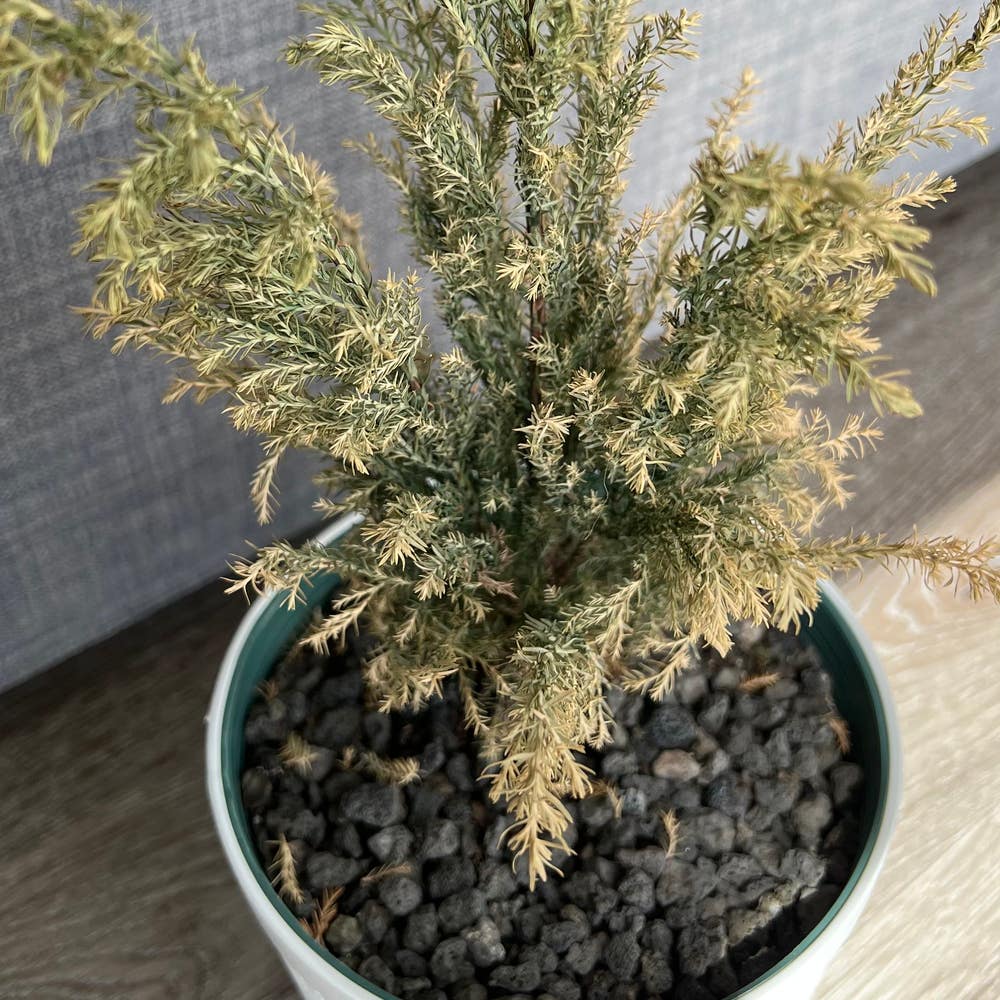
Lawson Cypress trees, like any conifer, have their own Goldilocks zone for light and temperature. Too much sun can lead to scorched needles, while insufficient light may cause sparse growth and a leggy appearance. Temperature fluctuations can be just as damaging, with extreme heat or cold stressing the tree, potentially leading to browning needles or inhibited growth.
🌿 Creating the Ideal Environment
Consistency is key when it comes to light and temperature for your Lawson Cypress. Aim for a spot that offers full to partial sun, ensuring that the tree gets enough light without the risk of midday sunburn. When it comes to temperature, think steady and stable; abrupt changes are as unwelcome to your tree as a pop quiz on a Monday morning. During the hotter months, providing some afternoon shade can prevent overheating, while in colder climates, shielding your tree from harsh winds will help maintain a consistent temperature. Remember, your Lawson Cypress doesn't have the luxury of moving into the shade or putting on a sweater – it's on you to create that just-right environment.

Bug Off: Tackling Pest Problems
🐛 Common Culprits
Pests can turn your Lawson Cypress from a green giant into a feeble fern. Spider mites suck the life out of foliage, leaving a telltale dusty appearance. Bagworms are more crafty, disguising themselves in quaint little bags while they chomp through needles. And don't get me started on scales—these sneaky insects masquerade as part of the plant itself, all the while feasting on its sap.
Natural and Chemical Defenses
When it comes to defense, think of yourself as the guardian of your garden's galaxy. A strong spray of water can dislodge mites, showing them who's boss. If you spot bagworms, timing is everything. Whip out B.t. (Bacillus thuringiensis) when they're young; it's like kryptonite to these critters. For scales, it's all about the early game. Catch them when they're crawlers and show them the door with insecticidal soap or horticultural oil. Remember, chemical warfare should be your last resort—beneficial bugs like ladybugs are nature's hitmen, taking out pests without the collateral damage. Keep your Lawson Cypress healthy, and it'll stand a better chance against the buggy onslaught.

Environmental Stress: Scorch and Mold
🌲 Recognizing Environmental Damage
In the battle against environmental stress, leaf scorch and mold are the Lawson Cypress's archenemies. Scorch manifests as crispy, brown edges on the foliage, a telltale sign that your tree is either too thirsty or sunburnt. Mold, on the other hand, appears as unsightly spots or a fuzzy coating, hijacking the leaves and blocking out the essential sunlight.
🛠 Adjusting the Surroundings
To shield your Lawson Cypress from these environmental villains, strategic adjustments are key. For scorch, think sunblock: relocate the tree to a spot with dappled sunlight or rig up some shade during the midday blaze. Mold demands a different tactic—improve air circulation and reduce moisture around the foliage. And remember, the best offense is a good defense; mulch to regulate soil temperature and moisture, and keep an eye out for any changes in your tree's appearance.
Reviving Your Lawson Cypress
🕵️♂️ Assessing the Damage
To kickstart the revival of your Lawson Cypress, first, you've got to play detective. Examine the tree thoroughly. Look for signs of life in branches by checking for pliability; brittle branches are a bad omen. Check for green under the bark—a scratch test will reveal this. Snapshots of the tree's condition can be handy for tracking progress or consulting with experts.
💪 Recovery Steps
Once you've scoped out the situation, it's time for action. Prune away the dead stuff; it's not coming back, and it's only sapping energy from the recovery effort. Focus on aeration and proper soil moisture—overwatering is a no-go, but so is letting your tree turn into the Sahara. If you've got root rot, it's surgery time: remove the affected parts and hope for the best. For pest issues, it's war—deploy natural or chemical defenses as needed. Lastly, monitor like a hawk. New growth? Throw a mini-party. No change? Adjust your game plan. Remember, patience is a virtue here.
⚠️ Safety First
This content is for general information and may contain errors, omissions, or outdated details. It is not medical, veterinary advice, or an endorsement of therapeutic claims.
Always consult a qualified healthcare professional before using any plant as food, medicine, or supplement.
Never eat any plant (or feed one to pets) without confirming its identity with at least two trusted sources.
If you suspect poisoning, call Poison Control (800) 222-1222, the Pet Poison Helpline (800) 213-6680, or your local emergency service immediately.
Spotted an error? Please report it here.
Ensure your Lawson Cypress thrives by perfecting 🎯 its care with Greg's custom watering plans and environmental monitoring, turning recovery into a green success story.