🍛 3 Tips for Growing Curry Plant
Helichrysum italicum
By the Greg Editorial Team
Oct 17, 2024•5 min read
This article was created with the help of AI so we can cover more plants for you. May contain errors. See one? Report it here.
Cultivate thriving curry plants 🌱 with essential tips on site selection, soil prep, and expert care techniques!
- 🌞 Full sun exposure (6-8 hours) is crucial for thriving curry plants.
- 🌡️ Warm, dry climates (20°C to 30°C) promote optimal growth for curry plants.
- 🌱 Well-draining sandy or loamy soil ensures healthy root development and prevents rot.
Site Selection and Soil Preparation
Choosing the Right Location 🌞
Selecting the right location for your curry plant is crucial for its success. It requires full sun exposure, ideally 6-8 hours daily, to thrive.
Temperature plays a significant role as well. Your curry plant will flourish in warm, dry climates, with an ideal temperature range of 20°C to 30°C (68°F to 86°F).
Soil Type and pH Requirements 🌱
The type of soil you use can make or break your curry plant's growth. Opt for well-draining sandy or loamy soil to ensure healthy roots.
Additionally, pay attention to soil pH. A slightly acidic to neutral pH range of 6.0 to 7.0 is best for optimal growth.
Soil Preparation Techniques 🛠️
Preparing your soil properly sets the foundation for a thriving curry plant. Start by incorporating organic matter, like compost, to enhance soil fertility.
Don't forget about drainage! Adding perlite or sand to your soil mix will help prevent waterlogging, ensuring your plant's roots stay healthy and happy.
With the right site and soil preparation, you're well on your way to cultivating a flourishing curry plant. Next, let’s dive into effective planting techniques to get your garden started!
Planting Techniques
🌱 Seed vs. Cutting Propagation
When it comes to propagating your curry plant, you have two solid options: seeds or cuttings.
Seed Propagation: Expect germination in about 10-14 days when you sow seeds at a depth of 1/4 inch.
Cutting Propagation: For cuttings, choose healthy stems that are 4-6 inches long. Use a rooting medium made of equal parts peat moss and perlite to give them the best start.
📏 Planting Depth and Spacing
Getting the planting depth right is crucial for your curry plant's success.
Planting Depth: Sow seeds at 1/4 inch deep, while cuttings should be placed just below the soil surface.
Spacing: To allow for ample growth, space your plants 12-18 inches apart. This will help them thrive without competing for resources.
⏰ Best Time to Plant
Timing is everything when it comes to planting your curry plant.
Ideal Planting Time: The best time to plant is in the spring, right after the last frost.
Container Growing: If you're starting indoors, aim to begin 6-8 weeks before the last frost date. This gives your plants a head start and ensures they’re ready to flourish outdoors.
With these planting techniques in mind, you’re well on your way to cultivating a thriving curry plant. Next, let’s dive into the essential aspects of watering and fertilizing to keep your plant healthy and productive.
Watering and Fertilizing
Watering Frequency and Techniques 🌊
Watering your curry plant requires a careful balance. Aim to water deeply but infrequently, allowing the soil to dry out between waterings to prevent root rot.
For effective watering, consider using drip irrigation or a soaker hose. These methods minimize water contact with the leaves, reducing the risk of fungal diseases.
Fertilizer Types and Application Schedule 🌱
Choosing the right fertilizer is crucial for healthy growth. A balanced NPK fertilizer, such as 10-10-10, or organic options like fish emulsion, can provide essential nutrients.
Apply fertilizer every 4-6 weeks during the growing season. This schedule ensures your curry plant receives the nourishment it needs to thrive.
Signs of Overwatering or Underwatering 🚰
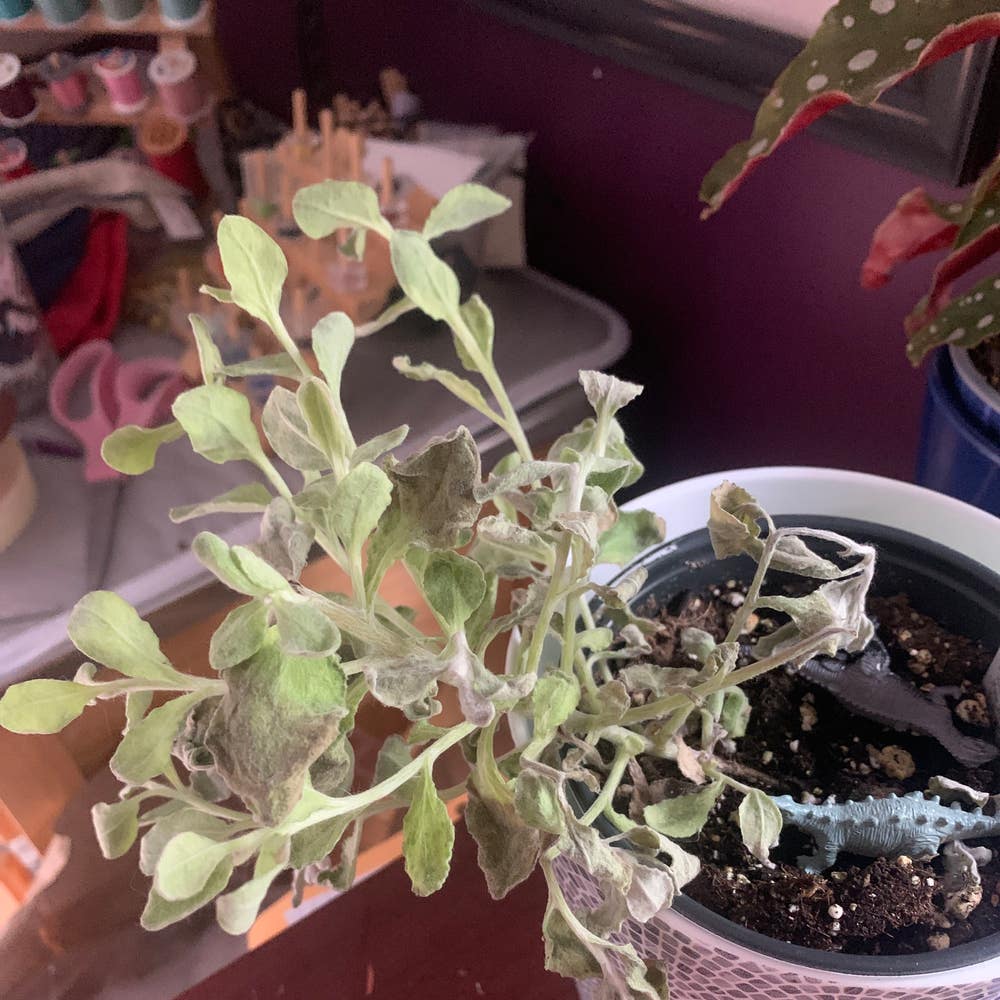
Recognizing the signs of overwatering is vital. Yellowing leaves and root rot are clear indicators that you may be giving your plant too much water.
On the flip side, underwatering can lead to wilting leaves and dry soil. Keeping an eye on these symptoms will help you maintain the right watering balance for your curry plant.
As you nurture your curry plant, remember that consistent care is key. Next, we’ll explore pruning and maintenance techniques to keep your plant healthy and vibrant.
Pruning and Maintenance
When and How to Prune 🌱
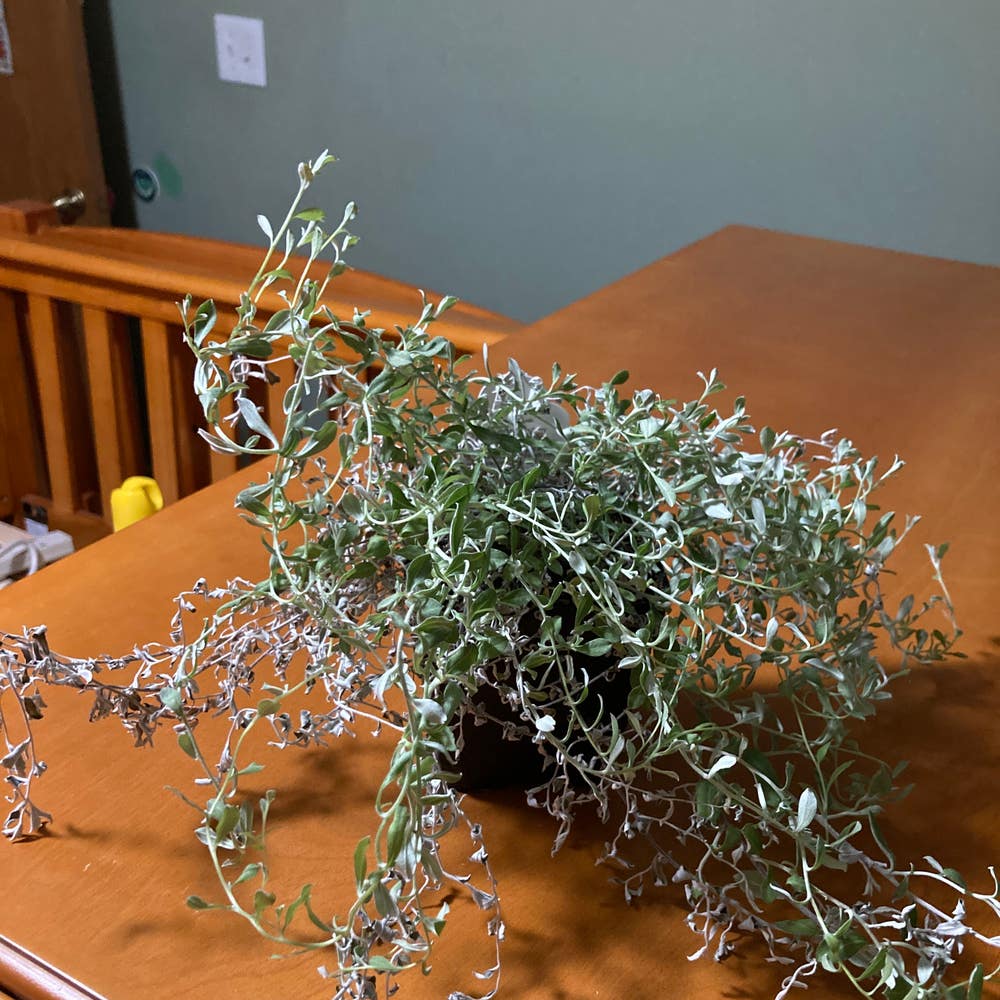
Pruning your curry plant is essential for encouraging healthy growth. Aim to trim back about one-third of the plant in early spring, just before new growth starts.
This technique not only shapes the plant but also promotes bushier foliage. A well-pruned curry plant will thrive and produce more aromatic leaves.
Maintaining Plant Health and Shape 🛠️
Regular maintenance is key to keeping your curry plant healthy. Make it a habit to check for pests and diseases, as early detection can save your plant.
Removing dead or damaged leaves is crucial for promoting airflow. This simple step can prevent fungal issues and keep your plant looking vibrant.
Seasonal Care Routines 🌦️
Each season brings its own set of care routines for your curry plant. In spring, focus on fertilizing and pruning to set the stage for robust growth.
During summer, keep an eye on watering and pest control to ensure your plant remains healthy. As fall approaches, prepare your curry plant for dormancy by reducing watering, allowing it to rest and recharge for the next growing season.
With these pruning and maintenance tips, your curry plant will flourish, providing you with fresh leaves and a touch of greenery in your garden. Next, let's explore common challenges and solutions to keep your plant thriving.
Common Challenges and Solutions
Pests and Diseases Affecting the Plant 🐛
Curry plants can face a few pesky pests.
- Aphids: These tiny insects cause curled leaves. Control them effectively with neem oil.
- Spider Mites: Look for fine webbing on leaves. Increasing humidity can help deter these critters.
Diseases can also pose a threat.
- Root Rot: This condition arises from overwatering. Ensure your plant has proper drainage to prevent it.
Environmental Stress Factors 🌡️
Your curry plant may struggle with environmental stress.
- Heat Stress: Signs include wilting leaves. Providing shade during extreme heat can help your plant recover.
- Drought Stress: If you notice leaf drop, it’s time to increase watering frequency.
Troubleshooting Growth Issues 🧐
Sometimes, growth issues can arise unexpectedly.
- Slow Growth: Check the soil quality and nutrient levels. This can often be the root of the problem.
- Leaf Discoloration: Assess your watering practices and look for any pest presence.
By staying vigilant and addressing these challenges, you can ensure your curry plant thrives. Next, let’s explore effective pruning and maintenance techniques to keep your plant healthy and vibrant.
⚠️ Safety First
This content is for general information and may contain errors, omissions, or outdated details. It is not medical, veterinary advice, or an endorsement of therapeutic claims.
Always consult a qualified healthcare professional before using any plant as food, medicine, or supplement.
Never eat any plant (or feed one to pets) without confirming its identity with at least two trusted sources.
If you suspect poisoning, call Poison Control (800) 222-1222, the Pet Poison Helpline (800) 213-6680, or your local emergency service immediately.
Spotted an error? Please report it here.
Nurture your curry plant to culinary perfection 🌿 with Greg's tailored care reminders and expert advice, ensuring it thrives in the ideal conditions you create!