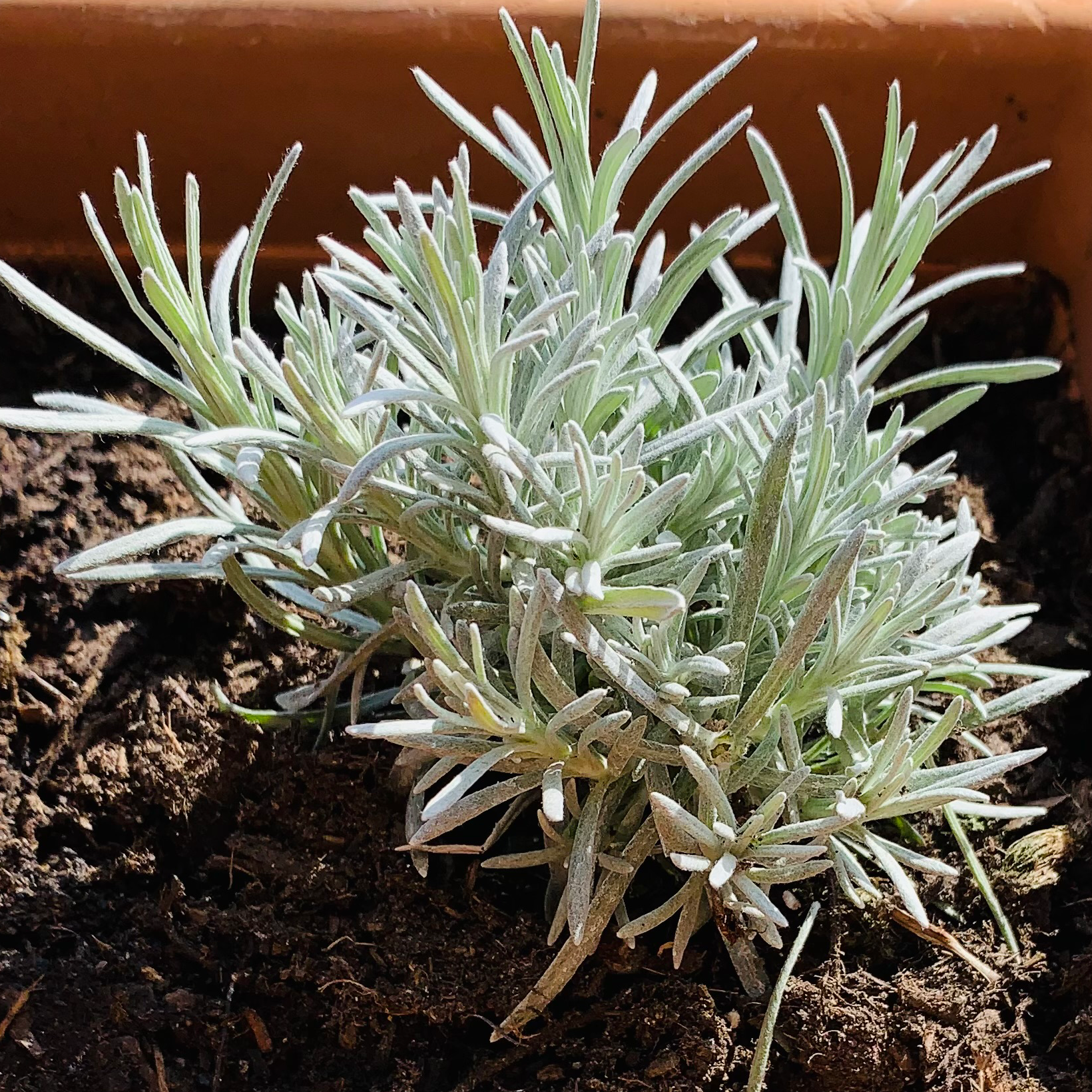
Italian Strawflower

How to Prune Italian Strawflower

Helichrysum italicum
Reviewed by Kiersten Rankel M.S.
Quick Answer
Prune Italian Strawflower in early spring just before new growth begins, typically March through April. Cut back the previous year's stems by about one-half to encourage fresh silver growth from the base. Never cut back into the old woody stems below all the foliage, as this species does not reliably regenerate from bare wood.

When is the best time to prune?

Italian Strawflower is hardy in zones 7 through 10, so pruning timing shifts based on your last frost and when new growth begins.

US pruning regions map
Pacific
Feb–Mar
Mountain
Apr–May
Midwest
Mar–Apr
Northeast
Apr–May
Southeast
Feb–Mar
Stay on top of plant care
Get seasonal reminders for watering and fertilizing — personalized for your plants.
Try Greg Free

Why Should I Prune My Italian Strawflower?

Italian Strawflower (Helichrysum italicum) is a compact, aromatic shrubby perennial prized for its silver-white foliage and small yellow flowers. Over time it becomes woody at the base and can get floppy or bare in the center if left unpruned.

An annual late-winter or early-spring trim keeps the plant dense and rounded. Cut the previous season's stems back by about half, cutting to where you can see fresh green or silver shoots beginning to emerge. This stimulates a flush of new growth that stays compact throughout the season.

One important caution: this plant does NOT recover well from being cut back to bare wood. Always leave some green foliage on every stem you cut. Going too hard into the old brown woody base often kills the branch or the whole plant. If in doubt, be conservative.

You can also deadhead after flowering to keep the plant tidy, but this is optional. The dried flower heads are part of the plant's appeal.

Know Before You Cut

Difficulty Moderate
Max removal 1/2 of previous season's stem length
Growth pattern Shrubby perennial mound
Tools Sharp pruners or scissors

What Should I Remove?

Cut back last year's stems by half in early spring
Cut to where fresh green or silver shoots are emerging
Remove any completely dead stems at the base
Deadhead spent flower heads to keep the plant tidy
Don't cut back into old bare woody stems with no foliage
Don't prune in late fall or winter when the plant is dormant
Don't over-water after pruning, this plant prefers dry conditions

How Do I Prune Step by Step?

1
Wait for signs of new growth in early spring
Look for fresh silver-green shoots beginning to appear at the base of old stems or along stem nodes. This is the signal that the plant is ready for pruning and will recover well.
2
Cut back each stem by about half
Trim each stem back to just above a point where you can see new growth emerging. Keep cuts at a slight angle and use sharp pruners to avoid crushing the soft stems.
3
Remove any fully dead stems
If a stem snaps cleanly with no sign of green inside, cut it all the way back to the base. Dead wood does not regenerate and can harbor disease.
4
Shape the mound lightly
Step back and look at the overall shape of the plant. Trim any shoots that are significantly longer than others to keep the rounded mound shape this plant is known for.
5
Leave clippings and check drainage
Discard all clippings away from the plant. Italian Strawflower is prone to root rot in wet soil, so check that your pot or bed drains well after any spring rain.

Frequently Asked Questions

Can I prune Italian Strawflower in the fall?
It is better to wait until early spring. Pruning in fall can stimulate new growth that may be damaged by frost. Light cleanup of dead flower heads is fine in fall, but hold major pruning until you see spring growth starting.
What happens if I cut back into the old woody part of the stem?
This species often fails to regenerate from old bare wood. Stems cut below all foliage may not push new growth and can die back to the base. Always keep at least some green growth on each stem you prune.
My Italian Strawflower has gotten very woody and open in the center. What should I do?
If the plant is very woody and open, you can try cutting it back by half in early spring and fertilizing lightly. However, severely woody plants sometimes don't fill back in well. Consider replacing with a new plant from a cutting.
Does Italian Strawflower need to be pruned to flower?
Pruning promotes denser growth that supports more flower stems, but the plant will flower without it. Pruning mainly maintains shape and longevity rather than triggering bloom.
Stay on top of plant care
Get seasonal reminders for watering and fertilizing — personalized for your plants.
Try Greg Free

About This Article

Kiersten Rankel M.S.
Botanical Data Lead at Greg · Plant Scientist
About the Author
Kiersten Rankel holds an M.S. in Ecology & Evolutionary Biology from Tulane University. A certified Louisiana Master Naturalist, she has over a decade of experience in science communication, with research spanning corals, cypress trees, marsh grasses, and more. At Greg, she curates species data and verifies care recommendations against botanical research.
See Kiersten Rankel's full background on LinkedIn.
Editorial Process
Pruning guidance verified against Helichrysum italicum growth data from Greg's botanical database, cross-referenced with USDA hardiness zone data and published horticultural research.
129+ Greg users growing this plant
USDA hardiness zones 7a–10b
Grow plants with confidence