Why Is My Curry Plant Not Doing Well?
Helichrysum italicum
By the Greg Editorial Team
Jun 18, 2024•4 min read
This article was created with the help of AI so we can cover more plants for you. May contain errors. See one? Report it here.
Nurse your Curry Plant back to health 🌿—discover the secrets to perfect watering, light, and pest control!
- 🌱 Adjust watering schedule based on touch-and-feel soil test, not calendar.
- ☀️ Find sunlight sweet spot and maintain 65°F-80°F for healthy growth.
- 🛡️ Prevent pests and diseases with regular inspections and good airflow.
When Watering Goes Wrong: Too Much or Too Little
Spotting the Signs
💧 Over-Watering
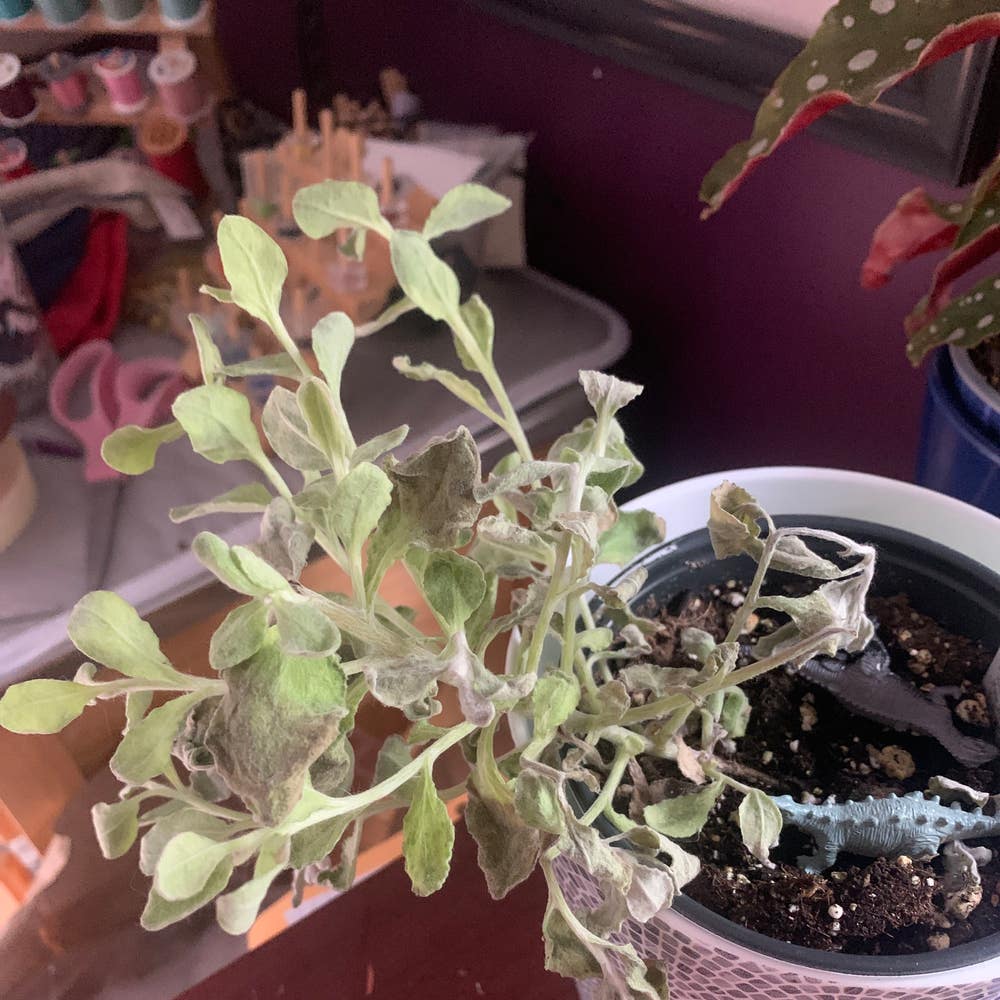
Yellowing leaves and a general look of despair often indicate over-watering. If your plant's stems have the consistency of a squishy sponge, it's a red flag. A funky smell from the soil is a tell-tale sign that root rot might be joining the party uninvited.
🏜️ Under-Watering
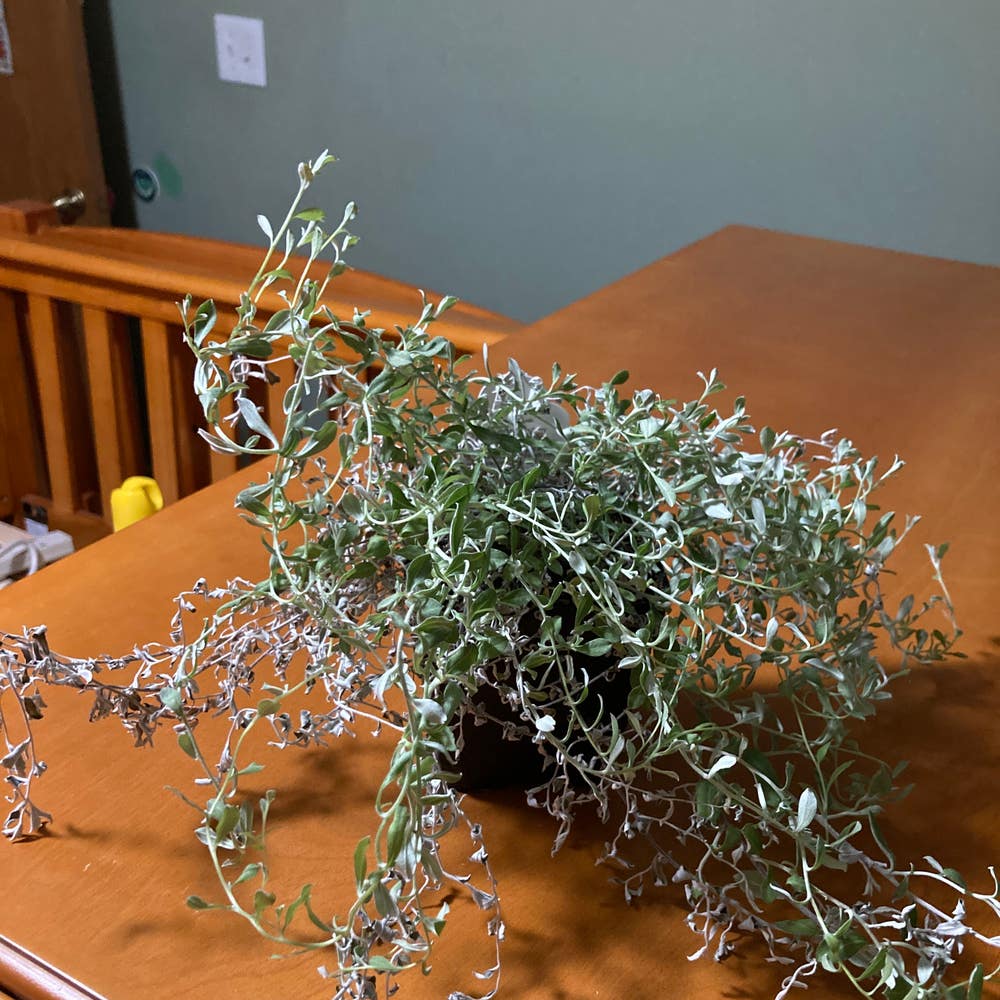
On the flip side, if your plant's leaves resemble crispy autumn foliage, it's probably thirsty. Soil pulling away from the pot's edge is the plant's silent scream for hydration.
Getting Back on Track
📅 Watering Schedule
Forget the calendar; your plant doesn't care about dates. Adjust watering based on your plant's actual needs, which can vary with humidity, light, and season.
👆 Touch-and-Feel Soil Test
The finger test doesn't lie. If the top inch of soil feels dry, it's time to water. If it clings to your finger like a needy ex, hold off.
🚰 Proper Drainage
Make sure your pot isn't holding water hostage. Roots need to breathe, too. If the pot feels like a heavyweight, you've overdone it. Drain any excess water from the saucer to prevent root rot.

Battling Environmental Stress: Light and Temperature Woes
🚨 Symptoms of Stress
Leaf discoloration and dropping can signal that your Curry Plant is either basking in too much light or pining away in the dark. If you notice your plant's leaves looking more like fall foliage than a vibrant green, it's time to reassess its sunbathing habits. Temperature fluctuations can also wreak havoc, stunting growth and leaving your plant looking as lackluster as a forgotten salad.
🌱 Creating the Ideal Environment
To find the sunlight sweet spot, observe your plant's response to its current location and adjust accordingly. Too much direct sun can lead to a leafy sunburn, while too little can make your Curry Plant stretch out like it's trying to snag the remote from across the room. Aim for bright, indirect light where the sun's rays caress rather than scorch.
Maintaining consistent temperatures is like ensuring your plant lives in a climate-controlled bubble. Keep the thermometer steady—sudden swings in temperature are as welcome to your plant as a snowball to the face. A range between 65°F and 80°F will keep your Curry Plant from throwing a temper tantrum.

The Unseen Enemy: Pests and Diseases
🐜 Common Culprits
Pests and diseases can turn your Curry Plant from a fragrant delight into a horticultural horror show. Aphids, spider mites, and whiteflies are the usual suspects, treating your plant like an all-you-can-eat buffet. Fungal enemies are sneakier, with mold and mildew leaving a calling card of discolored or misshapen leaves.
🛡️ Fight Back Strategies
When it comes to defense, think of yourself as the plant's personal bodyguard. Natural remedies should be your first line of defense—think neem oil or insecticidal soap. But when the invaders are relentless, don't hesitate to bring out the chemical big guns. Prevention is key: regular inspections and good airflow are like the plant's immune system—keep them strong to ward off pest and disease invasions.
Special Care for Special Plants: Addressing Specific Curry Plant Needs
🍂 Recognizing Unique Symptoms
🌞 Leaf Scorching
When your curry plant's leaves look like they've had a rough day at the beach, brown and crispy, it's crying out from too much sun.
🌱 Root Rot
If the roots resemble overcooked noodles, soggy and dark, you've got a classic case of root rot on your hands.
🛠 Tailored Solutions
🌗 Adjusting Light and Shade
Your curry plant isn't a sun worshipper. Rotate it away from direct light and consider a sheer curtain as a sunscreen.
🌱 Repotting and Soil Selection
If root rot is the villain, it's time for a heroic repot. Choose a well-draining soil and a pot that doesn't hoard water like a dragon hoards gold.
⚠️ Safety First
This content is for general information and may contain errors, omissions, or outdated details. It is not medical, veterinary advice, or an endorsement of therapeutic claims.
Always consult a qualified healthcare professional before using any plant as food, medicine, or supplement.
Never eat any plant (or feed one to pets) without confirming its identity with at least two trusted sources.
If you suspect poisoning, call Poison Control (800) 222-1222, the Pet Poison Helpline (800) 213-6680, or your local emergency service immediately.
Spotted an error? Please report it here.
Revive your curry plant from yellow leaves and root rot by letting Greg tailor your care routine 🌿, with spot-on watering schedules and sunlight adjustments based on real-time feedback from your home environment.