3 Ways to Boost Your Indoor Curry Plant 🌶️
Helichrysum italicum
By the Greg Editorial Team
Oct 17, 2024•6 min read
This article was created with the help of AI so we can cover more plants for you. May contain errors. See one? Report it here.
Unlock the secret to vibrant indoor curry plants by mastering their light, water, and humidity needs! 🌱💧
- 🌞 Curry plants need 6-8 hours of bright, indirect sunlight for optimal growth.
- 💧 Water when the top inch of soil is dry to prevent overwatering issues.
- 🌬️ Maintain humidity between 50-70% to avoid brown tips and leaf drop.
Light Requirements
Optimal Indoor Light Levels 🌞
To thrive, your indoor curry plant needs bright, indirect sunlight for 6-8 hours daily. If you notice leggy growth, pale leaves, or slow development, it’s a clear sign that your plant isn’t getting enough light.
Role of Grow Lights 💡
When natural light falls short, grow lights become essential. They supplement your plant's light needs, especially in low-light conditions, ensuring healthy growth year-round.
Choosing the Best Grow Light 🛠️
Selecting the right grow light involves a few key factors:
- Light Spectrum: Opt for full-spectrum lights that mimic natural sunlight.
- Wattage: For small indoor plants, aim for 20-40 watts.
- Duration: Provide 12-16 hours of light per day for optimal growth.
With the right light setup, your curry plant will flourish, setting the stage for the next essential care aspect: watering needs.
Watering Needs
Frequency and Amount 🌊
To keep your indoor curry plant thriving, establish a consistent watering schedule. Allow the top inch of soil to dry out between waterings to prevent over-saturation.
When you do water, ensure you give it a good soak until water drains from the bottom of the pot. This thorough saturation encourages healthy root development.
Signs of Overwatering and Underwatering 🚨
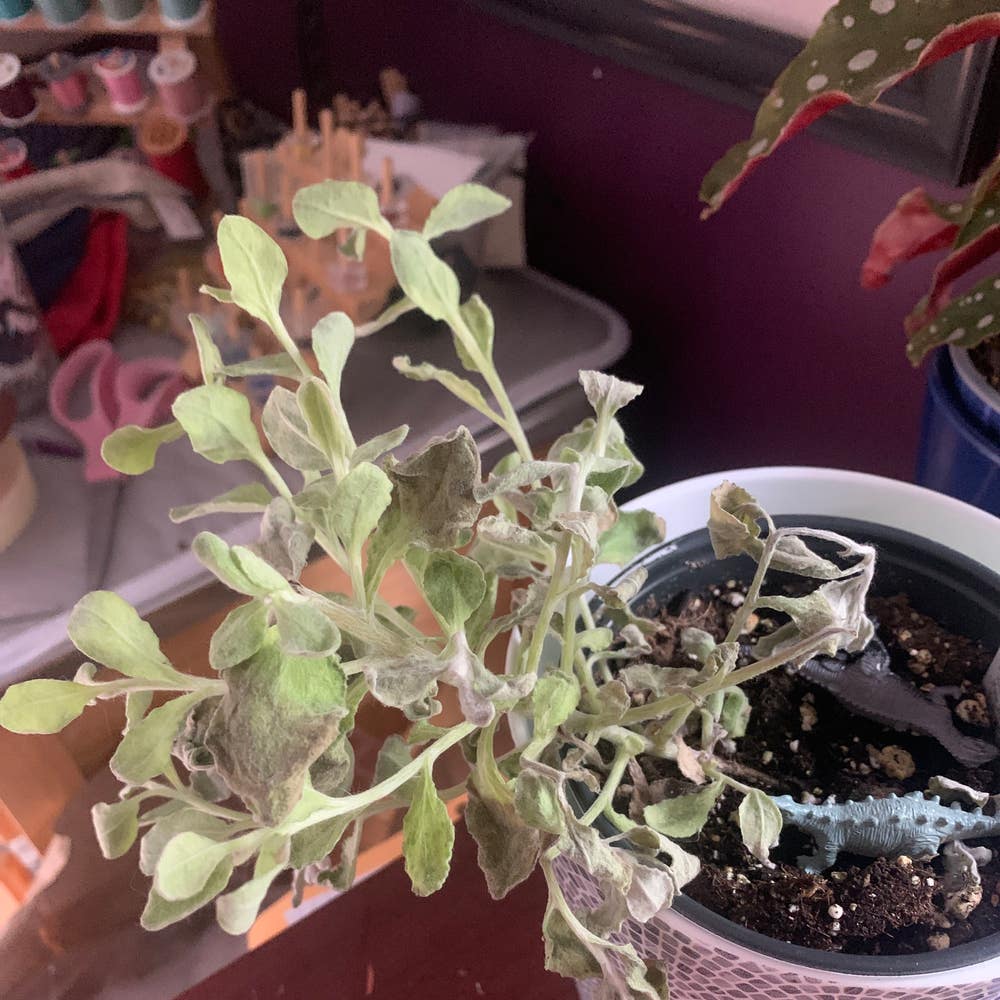
Recognizing the signs of overwatering is crucial for your plant's health. Look out for yellowing leaves, root rot, and wilting, which indicate too much moisture.
On the flip side, underwatering can lead to crispy leaf edges, drooping leaves, and stunted growth. Keeping an eye on these symptoms will help you maintain the right balance for your curry plant.
By mastering your watering routine, you set the stage for a flourishing indoor garden. Next, let’s explore the ideal humidity and temperature conditions to further boost your plant's growth.
Humidity and Temperature
Ideal Humidity Levels 🌧️
Maintaining the right humidity is crucial for your indoor curry plant. Aim for a humidity level between 50-70% to promote optimal growth.
Signs of low humidity include brown leaf tips and leaf drop. If you notice these issues, it’s time to boost the moisture in the air.
Temperature Preferences 🌡️
Your curry plant thrives in a temperature range of 65°F to 85°F (18°C to 29°C). Keeping it within this range ensures healthy growth and vibrant leaves.
Watch for signs of temperature stress, such as leaf curling, wilting, and slowed growth. These indicators suggest that your plant may need a more stable environment.
Humidity Control Methods 💧
To increase humidity around your curry plant, consider these effective methods:
Humidifiers: Place one in the room where your plant resides. This is a straightforward way to maintain consistent moisture levels.
Pebble Trays: Fill a tray with water and pebbles, then set your plant pot on top. As the water evaporates, it will create a humid microclimate.
Grouping Plants: Cluster your plants together. This not only enhances humidity but also creates a supportive environment for all your greenery.
By implementing these strategies, you can create a thriving atmosphere for your indoor curry plant. Next, let’s explore the best soil and fertilization practices to keep your plant nourished and healthy.
Soil and Fertilization
Best Soil Type 🌱
For your indoor curry plant, the right soil is crucial. Aim for a well-draining, fertile potting mix with a pH between 6.0 and 7.0.
To achieve this, consider using a blend of peat, perlite, and compost. This combination ensures that your plant has the nutrients it needs while preventing waterlogging.
Fertilization Schedule and Types 🗓️
Fertilizing your curry plant is essential for robust growth. During the growing season—spring and summer—plan to fertilize every 4-6 weeks.
You can choose a balanced NPK fertilizer, like a 10-10-10 mix, or go for organic options such as fish emulsion. Both will provide the nutrients your plant craves to thrive.
With the right soil and fertilization, your curry plant will be well on its way to flourishing. Next, let’s explore how to tackle common issues and solutions to keep your plant healthy.
Common Issues and Solutions
🐜 Pest Prevention Strategies
Regular inspections are crucial for keeping your indoor curry plant healthy. Check for pests weekly to catch any issues early.
Maintaining plant health through proper care and cleanliness is your best defense. Healthy plants are less likely to attract pests.
🕷️ Common Pests Affecting the Plant
Aphids are a common nuisance. Look for sticky residue on leaves and curled edges as telltale signs.
Spider mites can be tricky to spot. Keep an eye out for fine webbing and stippled leaves, which indicate their presence.
Whiteflies are another pest to watch for. These tiny white insects often hide on the undersides of leaves, making them easy to overlook.
🛠️ Solutions for Common Problems
If your curry plant has yellowing leaves, it’s time to adjust your watering practices. Check for pests, as they could also be the culprit.
Wilting leaves often signal issues with watering or humidity levels. Ensure your plant is getting the right amount of both for optimal health.
By staying vigilant and addressing these common issues, you can keep your indoor curry plant thriving. Next, let’s explore the best placement and maintenance strategies to further enhance its growth.
Placement and Maintenance
Best Locations for Optimal Growth 🌞
To ensure your indoor curry plant thrives, place it near south or west-facing windows. These spots provide the bright light it craves, essential for robust growth.
Avoid drafty areas and direct hot air from vents, as these conditions can stress your plant. A stable environment is key to keeping your curry plant happy.
Tips for Maintaining Appearance ✂️
Regular cleaning is crucial for your plant's health. Wipe the leaves with a damp cloth to remove dust and allow for better light absorption.
Pruning is equally important. Trim away dead or yellowing leaves to encourage new growth and maintain a vibrant appearance.
Seasonal Care Adjustments ❄️
During winter, reduce watering and avoid fertilization as your plant enters dormancy. This helps it conserve energy and prepares it for the growing season ahead.
In summer, increase humidity and keep a closer eye on pests. Warmer temperatures can lead to more frequent pest issues, so vigilance is your best defense.
By following these placement and maintenance tips, you'll create an ideal environment for your indoor curry plant to flourish. Next, let’s explore how to tackle common issues and their solutions.
⚠️ Safety First
This content is for general information and may contain errors, omissions, or outdated details. It is not medical, veterinary advice, or an endorsement of therapeutic claims.
Always consult a qualified healthcare professional before using any plant as food, medicine, or supplement.
Never eat any plant (or feed one to pets) without confirming its identity with at least two trusted sources.
If you suspect poisoning, call Poison Control (800) 222-1222, the Pet Poison Helpline (800) 213-6680, or your local emergency service immediately.
Spotted an error? Please report it here.
Elevate your indoor curry plant's growth 🌱 by using Greg's tailored care reminders to ensure it gets the perfect light and moisture for thriving flavor!