How Much Humidity Does My Curry Plant Need?
Helichrysum italicum
By the Greg Editorial Team
Feb 02, 2024•4 min read
This article was created with the help of AI so we can cover more plants for you. May contain errors. See one? Report it here.
Unlock lush growth for your Curry Plant with the ultimate humidity guide. 🌿🔍
- 🍃 Crispy tips and curling leaves signal your Curry Plant's humidity distress.
- Ideal humidity is 40-60%; use a hygrometer to monitor levels.
- Humidifiers and pebble trays help; watch for excessive moisture signs.
Spotting the Signs: When Your Curry Plant Craves More Humidity
Curry Plants are silent communicators; their leaves reveal their needs. When humidity dips too low, your plant will send distress signals.
🚨 Telltale Symptoms of Low Humidity Stress
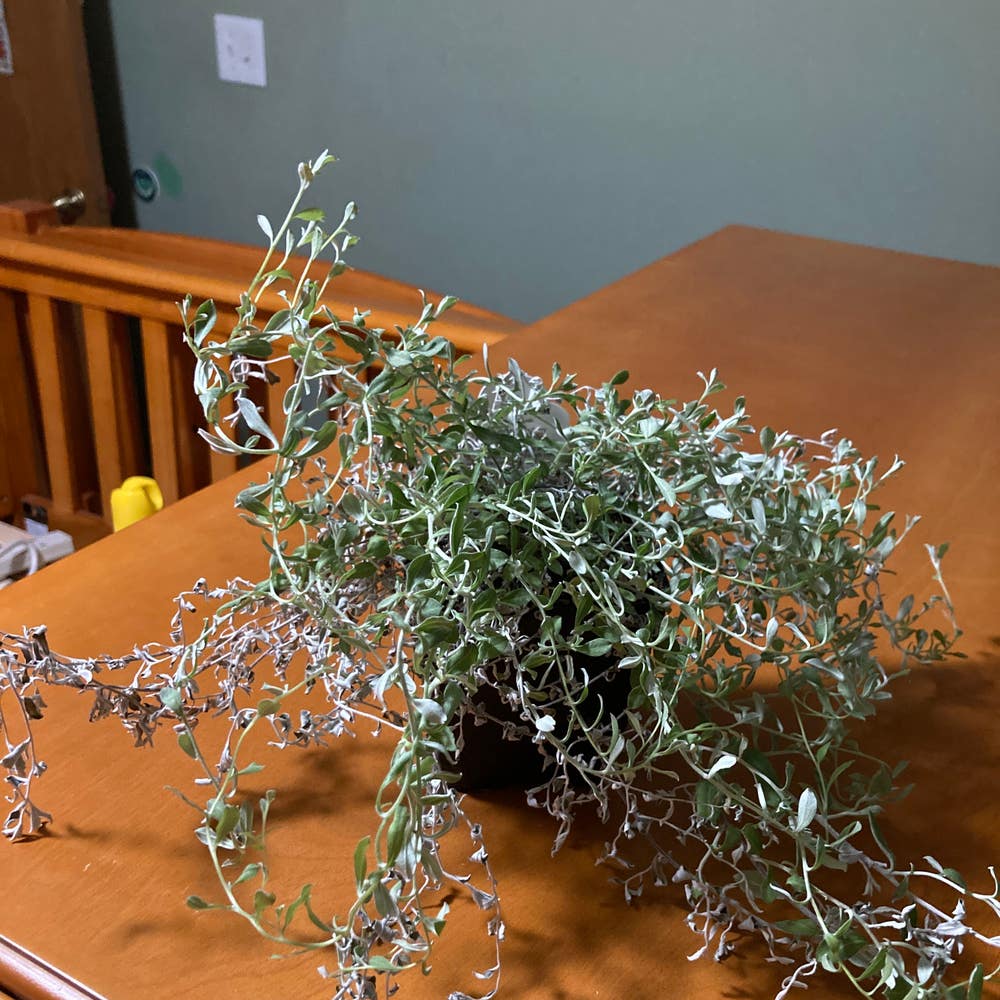
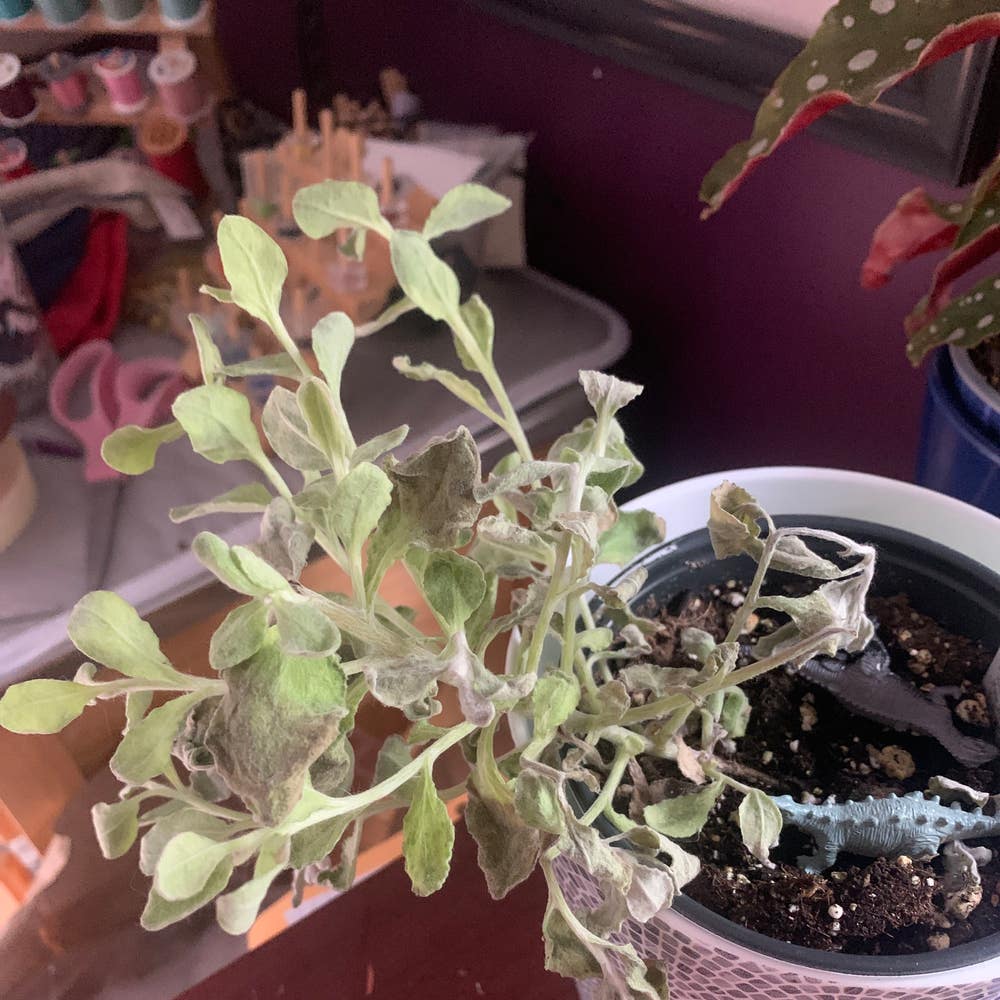
Crispy leaf tips are the classic cry for help. They might start resembling potato chips more than plant parts. If you notice the edges of the leaves turning brown and feeling brittle, it's time to take action.
Leaf curling is another sign of a humidity-starved Curry Plant. The leaves may curl inward as if trying to conserve their inner moisture. This is your plant's version of huddling for warmth.
📖 How to Read Your Curry Plant's Leaves for Clues
Yellowing leaves can be misleading; they might hint at overwatering, but coupled with dryness, they're likely screaming for humidity. It's a subtle difference that requires a keen eye.
New growth is especially telling. If it appears weak or stunted, your Curry Plant isn't just being dramatic—it's genuinely struggling with the air's aridity.
Remember, your Curry Plant's leaves are its mood rings. They change in response to the environment. Keep an eye out for these visual cues, and you'll be well on your way to mastering the art of plant whispering.
Nailing the Sweet Spot: Ideal Humidity Levels for Your Curry Plant
💦 The Humidity Happy Zone
Curry Plants bask in humidity levels of 40-60%. Stray outside this range, and you're asking for trouble. Too low, and the leaves might throw a fit, crisping up in protest. Too high, and you're setting the stage for a fungal horror show.
🌡️ Relative Humidity's Role
Relative humidity (RH) is like your plant's comfort blanket. It's crucial for leaf health and overall happiness. Ignore it, and you risk your Curry Plant's well-being. It's about more than just water; it's about the air's embrace.
📏 Measuring Humidity at Home
To keep tabs on RH, grab a hygrometer. It's your secret weapon in the quest for the perfect environment. Check the levels, jot them down, and adjust your care routine accordingly. Remember, consistency trumps random acts of misting.
Humidity Hacks: Boosting Moisture for Your Curry Plant
🌴 Creating a Tropical Haven
Humidifiers are your go-to for consistent moisture. They're like a personal rain cloud for your Curry Plant. Keep them at a distance to avoid a misty overkill.
✨ The Magic of Pebble Trays
Set up a pebble tray beneath your plant. It's a simple evaporation station: tray, pebbles, water, and voilà! Ensure the water level stays below the pebbles to prevent root rot.
🌿 Group Therapy for Plants
Grouping plants is like hosting a humidity huddle. Each plant's transpiration adds to the collective moisture. It's a natural and decorative way to boost humidity.
📍 Plant Positioning: Smart Placement
Place your Curry Plant in areas that naturally retain moisture, like over a kitchen sink. But steer clear of the dry Sahara-like zones, such as near heaters or air vents.
When It's Too Much: Dialing Down Humidity
🌧️ Spotting Signs of Excessive Humidity
Over-hydration can be just as harmful as dehydration for your Curry Plant. Look out for condensation on windows or a general mugginess that leaves you feeling like you're in a sauna. Your plant may show signs such as mold growth on the soil, yellowing leaves, or a lackluster appearance.
🌀 Using Dehumidifiers and Air Circulation
Dehumidifiers are your go-to tool for sapping excess moisture from the air. Think of them as the moisture police, restoring order in your plant's environment. Air circulation is equally crucial; an oscillating fan can prevent air stagnation and discourage disease.
⚖️ The Balance Act
It's all about equilibrium. While your Curry Plant enjoys a bit of humidity, too much can lead to a host of problems. Monitor the humidity levels regularly, and adjust your dehumidifier and air circulation strategies accordingly. Remember, what's needed in a steamy July might be overkill in a dry January.
⚠️ Safety First
This content is for general information and may contain errors, omissions, or outdated details. It is not medical, veterinary advice, or an endorsement of therapeutic claims.
Always consult a qualified healthcare professional before using any plant as food, medicine, or supplement.
Never eat any plant (or feed one to pets) without confirming its identity with at least two trusted sources.
If you suspect poisoning, call Poison Control (800) 222-1222, the Pet Poison Helpline (800) 213-6680, or your local emergency service immediately.
Spotted an error? Please report it here.
Ensure your Curry Plant always enjoys the ideal humidity 🌿 by leveraging Greg's environmental tracking to keep those leaves lush and happy.