🌞 Is Direct Sunlight Good for My Curry Plant?
Helichrysum italicum
By the Greg Editorial Team
Feb 02, 2024•3 min read
This article was created with the help of AI so we can cover more plants for you. May contain errors. See one? Report it here.
Nurture your Curry Plant to vibrant health with the right sun strategy 🌞—no more guesswork! 🌿
- Direct sunlight is key, but shield young Curry Plants from harsh rays.
- 🌞 South-facing windows are best, adjust with sheer curtains or location.
- Seasonal care varies: summer shade and winter warmth are crucial.
Sun-Kissed or Sunburned? The Curry Plant's Sunlight Needs
🌞 What's the Deal with Direct Sunlight?
Direct sunlight is like the sun's high-five to your plant—unfiltered and full-on. Indirect sunlight is more of a gentle fist bump, softer and less intense.
🌿 Curry Plant's Sunlight Preferences
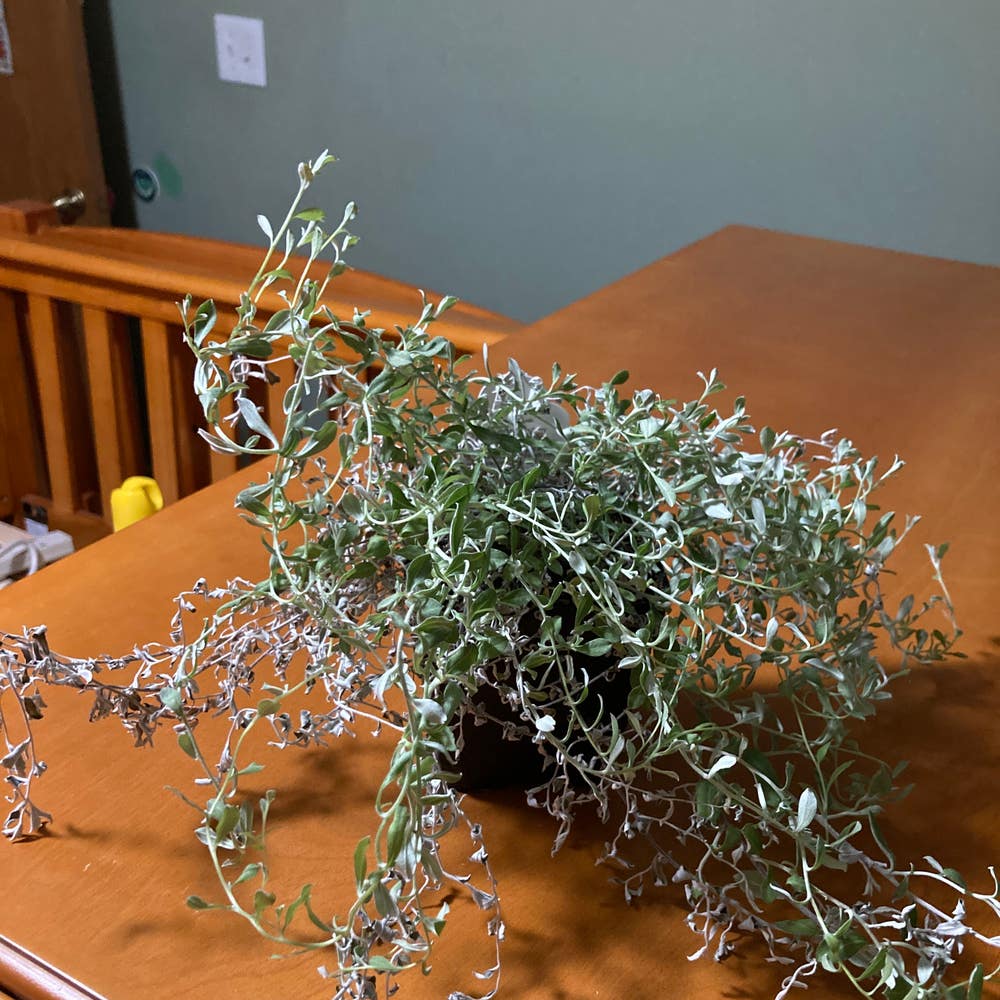
Curry Plants love a good sunbath. Direct sunlight? Yes, please—but only if they're mature enough to handle it. Younger plants might throw a fit, so keep them in the shade until they're ready to graduate to full sun.
🚫 Signs of Too Much Sun
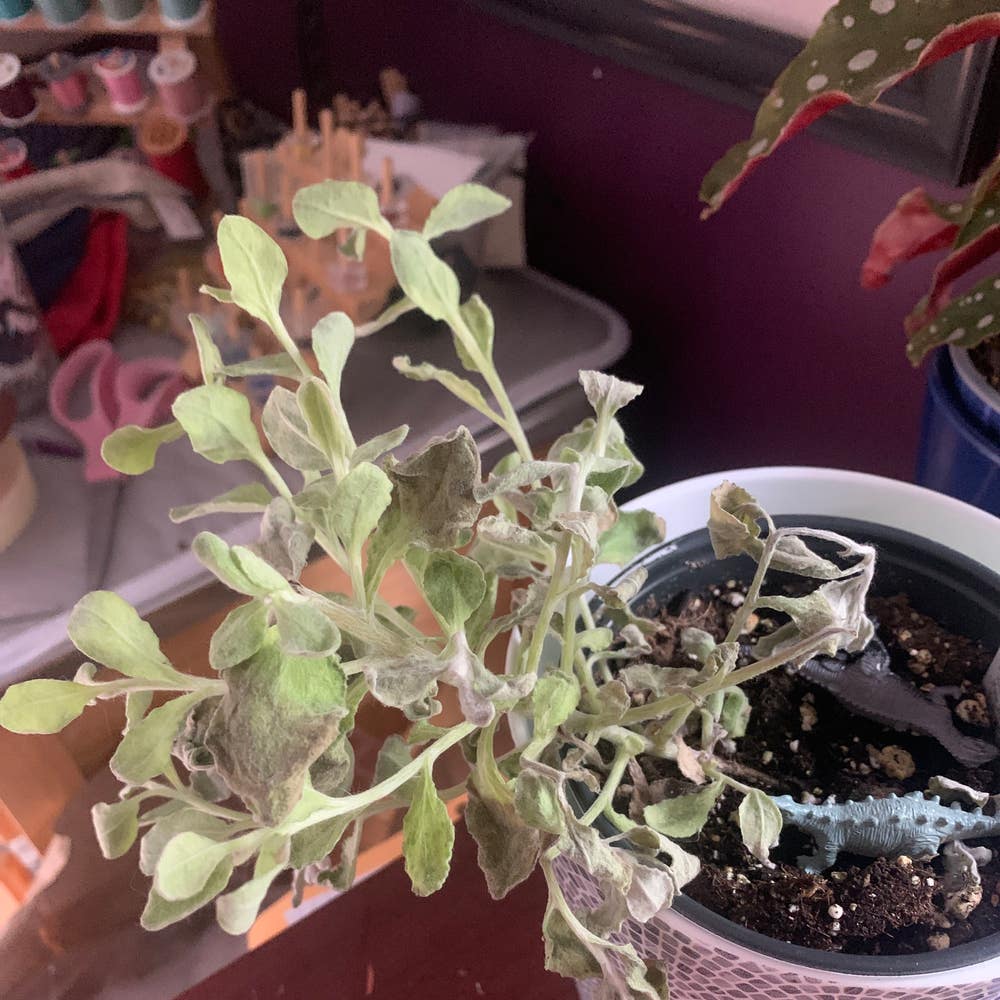
When your Curry Plant has had too much sun, it's not shy about showing it. Look for leaves with a sunburned look—brown spots, or edges that seem like they've been kissed by a flame. Leaves may also appear bleached, like they've been through a bad dye job. If your plant's wilting, it's waving a white flag—time to dial back on the sunlight.
Through the Looking Glass: Windows and Sunlight
🌞 Window Wise: Where to Place Your Curry Plant
South-facing windows are the champions of light for your Curry Plant, offering a steady stream of sunshine. However, don't discount east or west-facing windows; they provide a decent amount of light too. Ideally, position your Curry Plant within 3 feet of these windows to maximize its sun intake.
In cases where the light is too intense, sheer curtains can be your best friend. They act as a gentle filter, protecting your plant from the harsh midday sun. Remember, it's all about balance—too much sun can lead to stress, while too little can stunt growth.
🌍 Hemisphere Hints: Adjusting Care by Location
Your location on the globe plays a pivotal role in your Curry Plant's sunbathing habits. In the Northern Hemisphere, south-facing windows are your go-to for maximum sunlight. Flip the script if you're in the Southern Hemisphere—north-facing windows are where it's at.
As the Earth tilts with the seasons, adjust your plant's position to ensure it gets the right amount of light. In winter, move it closer to the window to catch the scarce rays. During summer, pull it back to avoid overheating. It's a delicate dance with the sun, and you're the choreographer.
Seasonal Shifts: Adapting Curry Plant Care
🌞 Summer Strategies
Curry Plants soak up the summer sun like a sponge. They're sun-worshippers, but even they have their limits. Heatwaves demand action; provide afternoon shade to prevent your plant from turning into a crispy critter. Keep water flowing, but don't drown the roots—think of it as a cool sip, not a flood.
❄️ Winter Wisdom
Winter is a different beast. Your Curry Plant's not a fan of the cold shoulder, so frost is a no-go. If it's potted, bring it indoors before the frost turns it into a popsicle. For those in the ground, frost cloths are your new best friend. Watering? Less is more. And if you're using water, make sure it's more spa warm than Arctic chill.
Remember, light is still on the menu during winter. If the sun's playing hide and seek, consider grow lights to keep your Curry Plant from slipping into a gloomy funk. Keep the lights on a timer to mimic those precious daylight hours.
And hey, don't forget to rotate the pot occasionally. It's like turning a rotisserie chicken to get an even tan—your plant will thank you with even growth.
⚠️ Safety First
This content is for general information and may contain errors, omissions, or outdated details. It is not medical, veterinary advice, or an endorsement of therapeutic claims.
Always consult a qualified healthcare professional before using any plant as food, medicine, or supplement.
Never eat any plant (or feed one to pets) without confirming its identity with at least two trusted sources.
If you suspect poisoning, call Poison Control (800) 222-1222, the Pet Poison Helpline (800) 213-6680, or your local emergency service immediately.
Spotted an error? Please report it here.
Ensure your Curry Plant flourishes by using Greg to optimize sunlight 🌞 and water reminders, tailored to your home's environment and your plant's growth stage!