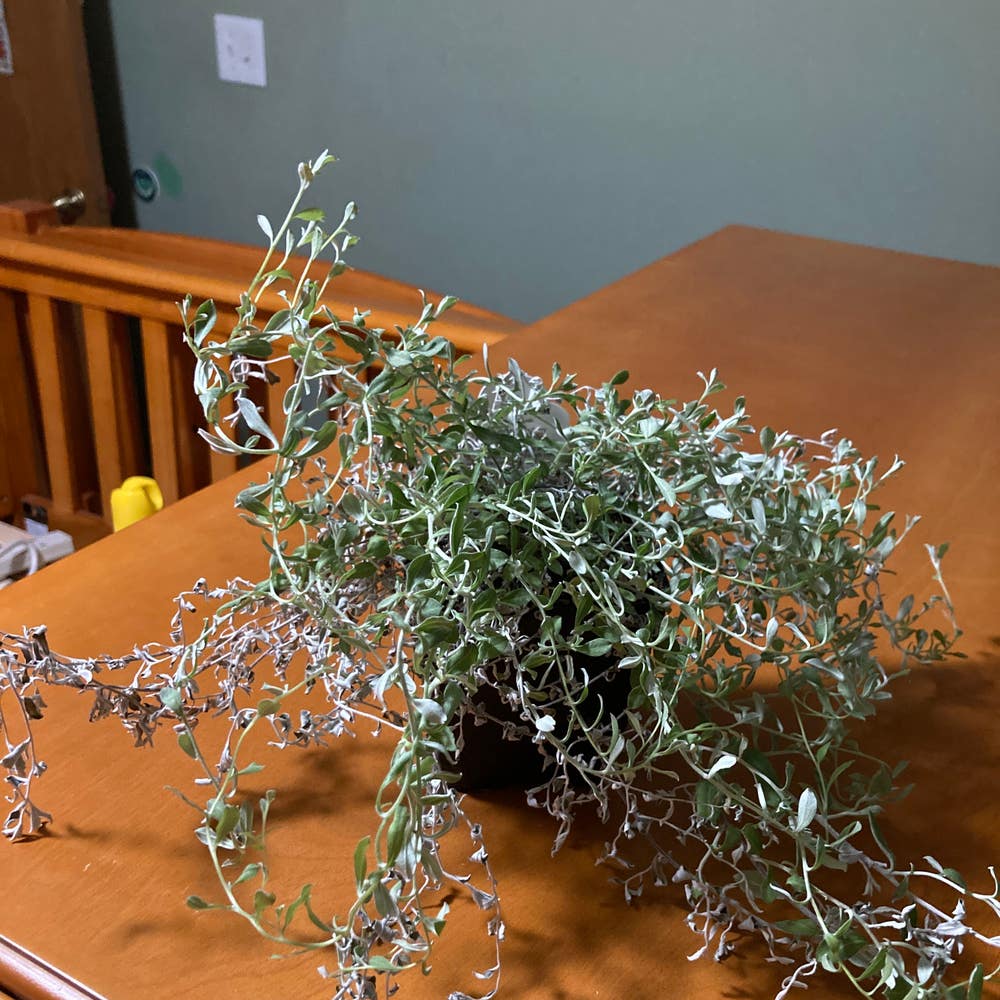
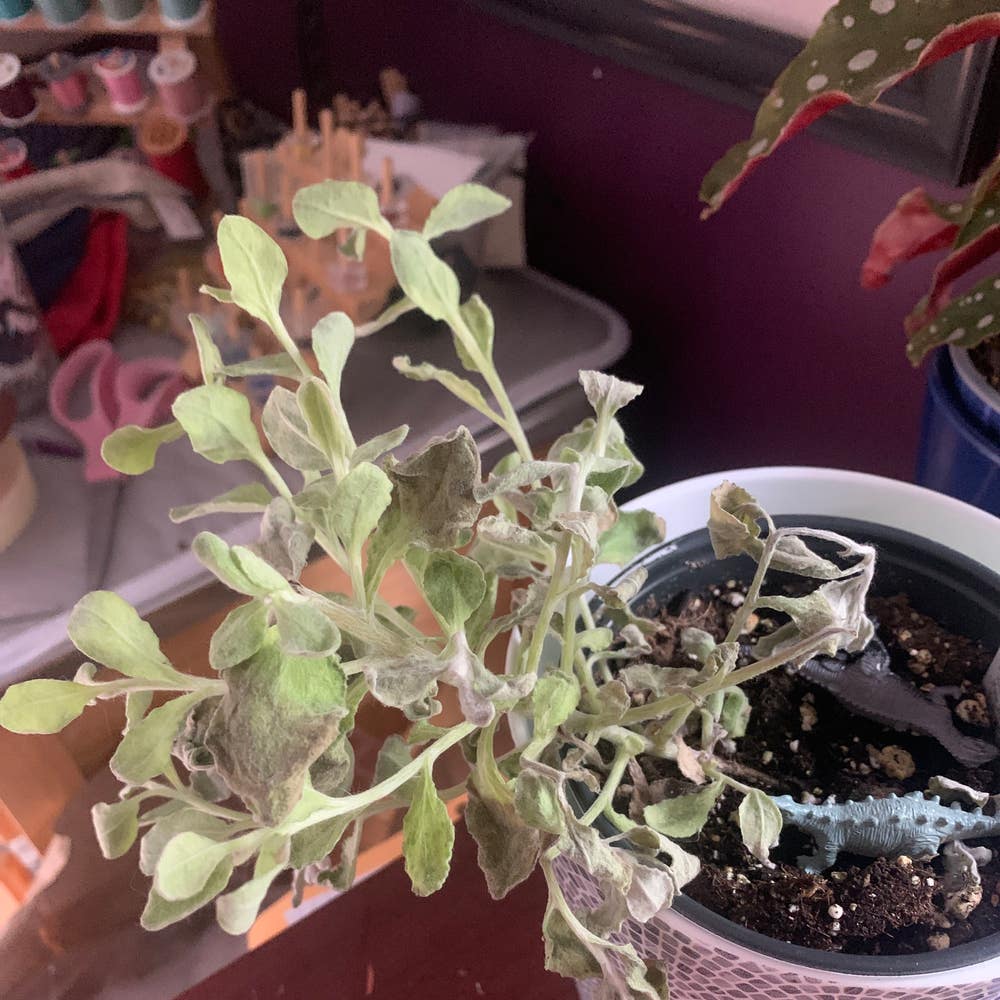
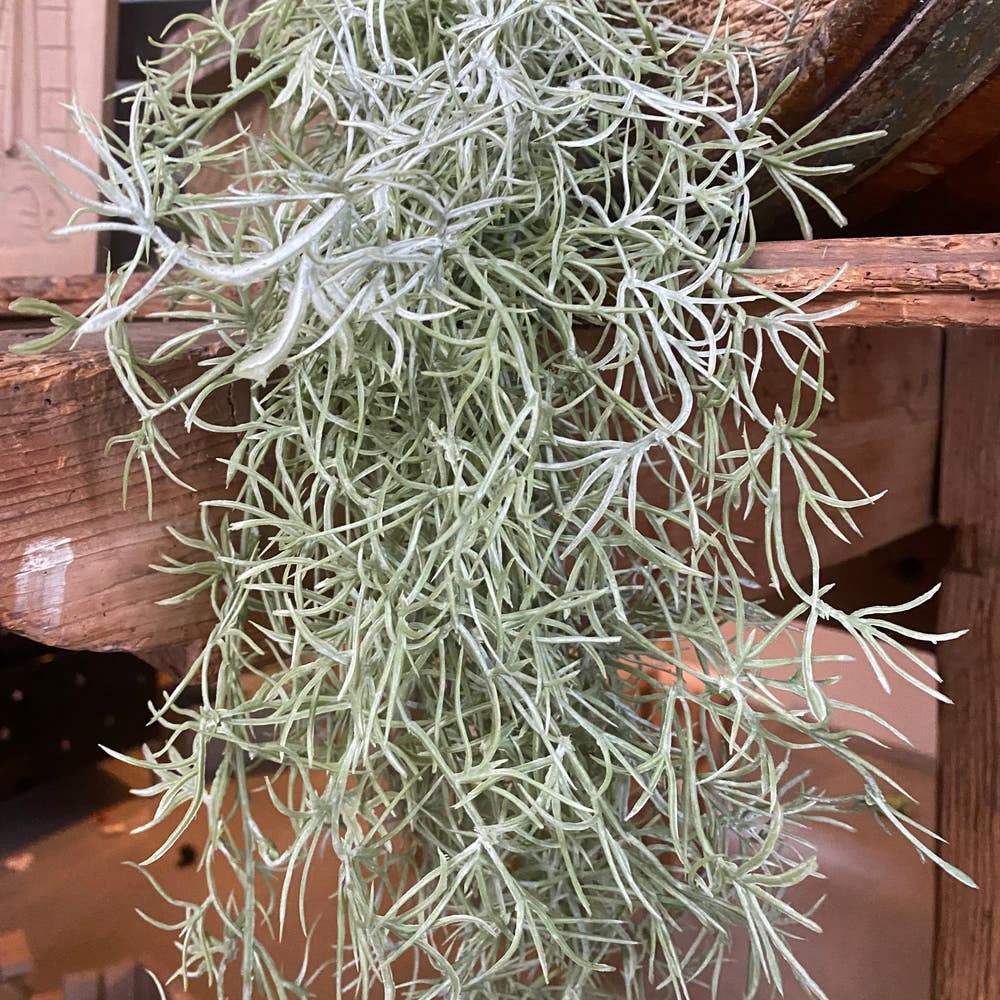
Ultimate Guide to Potting Curry Plant 🍛
Helichrysum italicum
By the Greg Editorial Team
Oct 17, 2024•5 min read
This article was created with the help of AI so we can cover more plants for you. May contain errors. See one? Report it here.
Unlock your curry plant's full potential 🌱 with essential potting tips for vibrant growth and health!
- 🌱 Choose pot sizes wisely: 4-6 inches for seedlings, 12-16 for mature plants.
- 💧 Ensure proper drainage: Use pots with 3-4 holes to prevent root rot.
- 🔄 Repot every 1-2 years to avoid stunted growth and promote healthy roots.
Pot Size Recommendations
Ideal Sizes for Different Growth Stages 🌱
Choosing the right pot size is crucial for the health of your curry plant. Here’s a quick guide to help you select the ideal pot size at each growth stage.
Seedlings
For seedlings, a pot size of 4-6 inches in diameter is recommended. This size allows for adequate root development without overwhelming the young plant.
Young Plants
As your curry plant matures, transition to a pot that is 6-10 inches in diameter. This size supports further growth and provides enough space for the roots to expand.
Mature Plants
Once your curry plant reaches maturity, opt for a pot size of 12-16 inches in diameter. A larger pot ensures that the plant has ample room to thrive and grow.
Guidelines for Transitioning Pot Sizes 🔄
Transitioning pot sizes is essential as your plant grows. Monitor your curry plant closely for signs that it needs a new pot, such as roots peeking out of drainage holes or stunted growth.
When you notice these signs, it’s time to move to the next size up. This proactive approach helps maintain healthy growth and prevents the plant from becoming root-bound.
With the right pot size, your curry plant will flourish, setting the stage for a successful gardening experience. Next, let’s explore the best pot materials to use for your curry plant.
Pot Materials
Recommended Materials 🌱
Choosing the right pot material is crucial for the health of your curry plant. Let's explore the most common options.
Clay Pots
Clay pots are a popular choice among gardeners. Their breathability allows for better air circulation around the roots, promoting healthy growth.
However, they come with some drawbacks. Clay pots are heavier and can crack in extreme temperatures, which might not be ideal for everyone.
Plastic Pots
Plastic pots offer a lightweight and cost-effective alternative. They are easy to handle and available in various sizes.
On the downside, plastic pots are less breathable. This can lead to moisture retention and increase the risk of root rot if not monitored closely.
Other Materials
Ceramic and metal pots are also options worth considering.
Ceramic Pots: These are often aesthetically pleasing and can retain moisture well. However, they can be heavy and may not have drainage holes.
Metal Pots: While stylish, metal pots can heat up quickly in the sun, potentially harming the roots.
Each material has its pros and cons, so consider your curry plant's needs and your gardening style when making a choice.
Conclusion 🌿
Selecting the right pot material is a foundational step in potting your curry plant. With the right choice, you can ensure optimal growth and health for your plant. Next, let’s dive into the importance of drainage considerations to further enhance your potting strategy.
Drainage Considerations
Importance of Drainage Holes 🌧️
Drainage holes are crucial for preventing waterlogging in your curry plant's pot. Excess water can suffocate roots, leading to poor health and stunted growth.
For optimal drainage, aim for at least three to four holes at the bottom of your pot. Each hole should be about half an inch in diameter to allow excess water to escape efficiently.
Impact on Root Health 🪴
Poor drainage can have serious consequences, including root rot. Signs of overwatering include yellowing leaves and a mushy stem, indicating that your plant is struggling.
Using well-draining potting soil is essential for maintaining healthy roots. A mix that includes perlite or sand can enhance drainage, ensuring your curry plant thrives.
In summary, prioritize drainage when potting your curry plant. This simple step can make a significant difference in its overall health and growth. Next, let’s explore the best pot materials to use for your curry plant.
Repotting Guidelines
When to Repot 🌱
Knowing when to repot your curry plant is crucial for its health. Look for signs like roots growing out of the drainage holes or stunted growth despite your best care.
Repotting is generally recommended every 1-2 years, depending on the plant's growth rate and pot size. Keeping an eye on these indicators will help ensure your plant thrives.
Step-by-Step Guide to Repotting 🛠️
Repotting can seem daunting, but it’s a straightforward process. Follow these steps for a successful transition:
- Choose the right pot size based on the current growth stage of your plant.
- Prepare potting soil by mixing well-draining soil with organic matter for optimal nutrition.
- Remove the plant from its current pot carefully, avoiding damage to the roots.
- Inspect roots for health and trim any damaged ones to promote new growth.
- Place the plant in the new pot and fill with soil, ensuring it sits at the proper depth.
- Water thoroughly and monitor for signs of stress, adjusting care as needed.
By following these guidelines, you’ll give your curry plant the best chance to flourish in its new home. Next, let’s explore common potting mistakes to avoid for a healthier plant.
Common Potting Mistakes
🌱 Overpotting vs. Underpotting
Overpotting occurs when you choose a pot that’s too large for your plant. This excess soil can lead to moisture retention, which may drown the roots and cause root rot.
On the flip side, underpotting means your plant is cramped in a pot that’s too small. This can result in root-bound plants, where roots circle around the pot, leading to stunted growth and poor health.
🚰 Ignoring Drainage Needs
Prioritizing drainage in pot selection is crucial for plant health. Many people mistakenly believe that any pot will do, but inadequate drainage can lead to serious issues.
To ensure proper drainage, always check for drainage holes before purchasing a pot. If you're using pots without holes, consider adding a layer of gravel or using well-draining potting soil to mitigate water retention.
By avoiding these common potting mistakes, you’ll set your curry plant up for success. Next, let’s explore the importance of drainage considerations in more detail.
⚠️ Safety First
This content is for general information and may contain errors, omissions, or outdated details. It is not medical, veterinary advice, or an endorsement of therapeutic claims.
Always consult a qualified healthcare professional before using any plant as food, medicine, or supplement.
Never eat any plant (or feed one to pets) without confirming its identity with at least two trusted sources.
If you suspect poisoning, call Poison Control (800) 222-1222, the Pet Poison Helpline (800) 213-6680, or your local emergency service immediately.
Spotted an error? Please report it here.
Ensure your curry plant thrives in the perfect pot 🪴 by using Greg's tailored potting reminders and expert tips to avoid common mistakes and promote healthy growth!