💧 How Do I Know When My Curry Plant Needs Water?
Helichrysum italicum
By the Greg Editorial Team
Feb 02, 2024•3 min read
This article was created with the help of AI so we can cover more plants for you. May contain errors. See one? Report it here.
Nurture a vibrant curry plant 🌿 by learning the tell-tale signs of thirst!
- Wilting or discolored leaves signal your curry plant needs water.
- Use finger or moisture meter to check soil dryness accurately.
- Adjust watering with seasons, considering growth phases and environment.
Spot the Thirsty Signs
🥀 Visual Cues
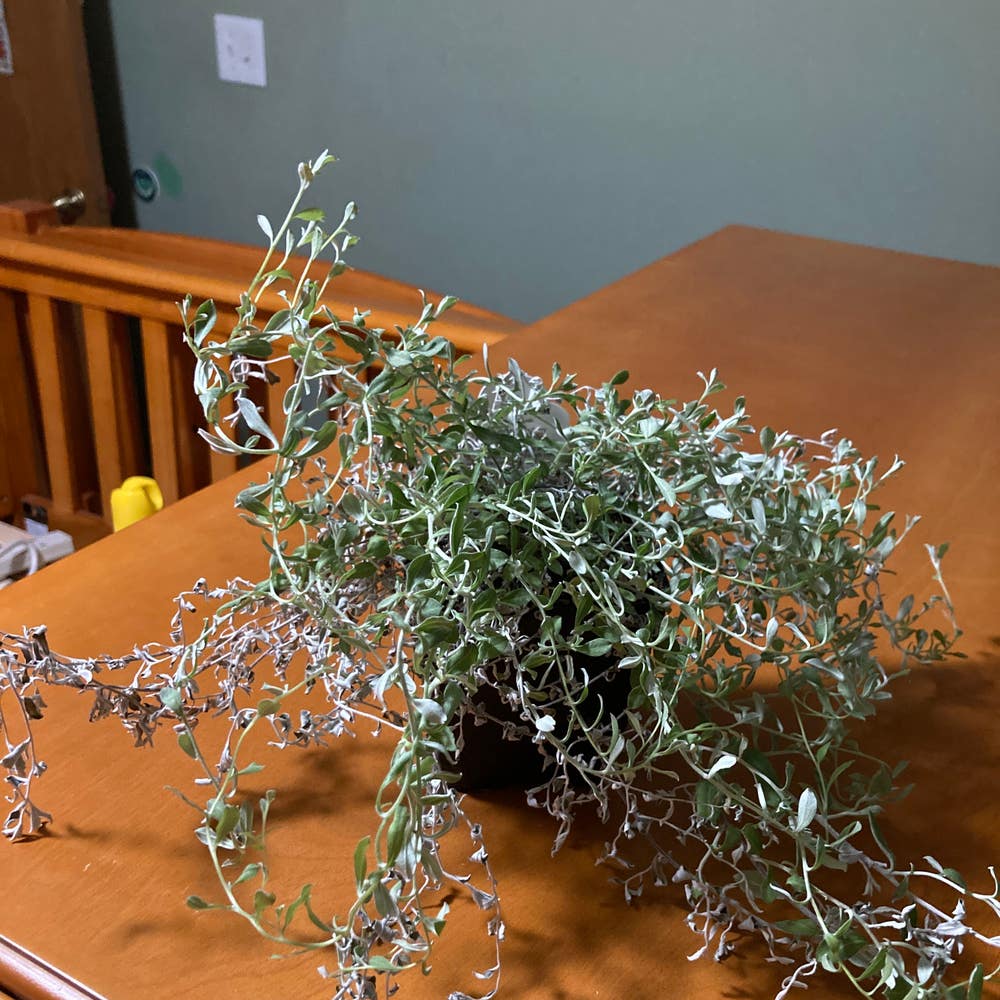
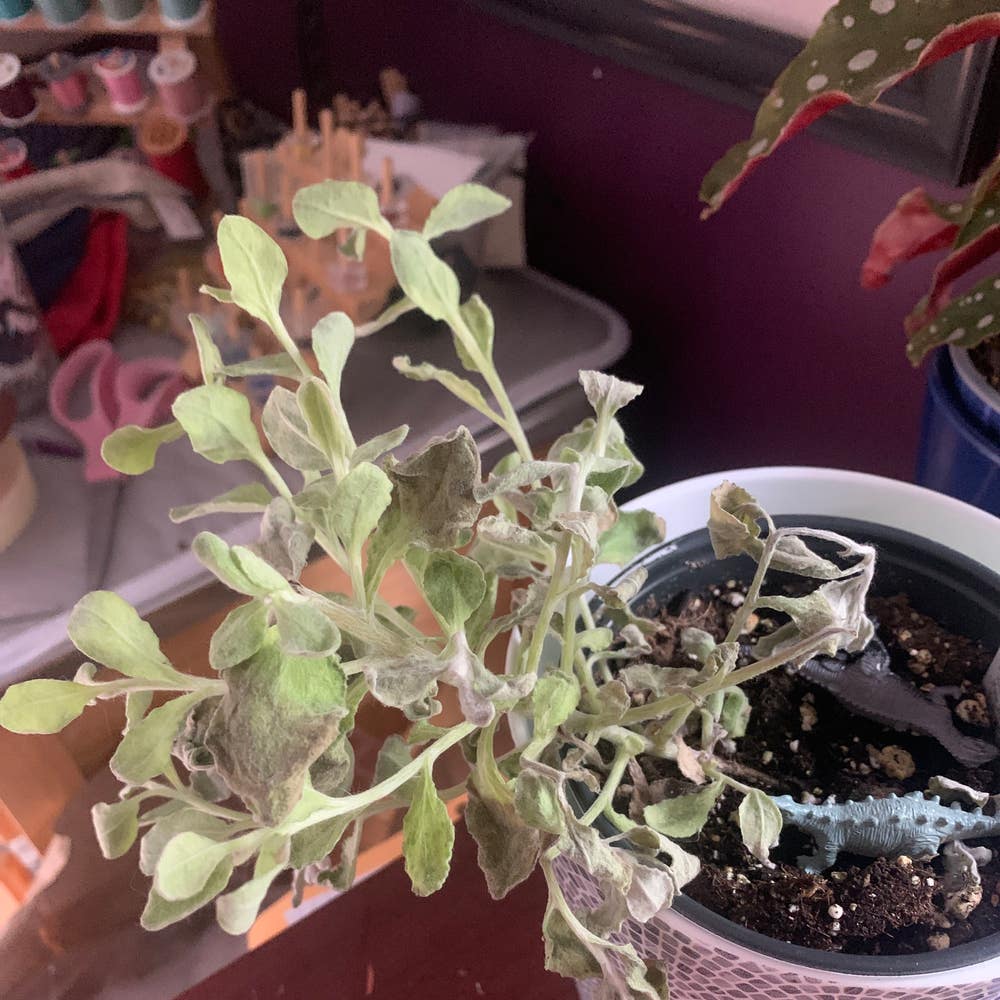
Wilting leaves and stems that look like they've been on a diet are your curry plant's way of waving a white flag. When the green turns to yellow or brown, it's not trying out a new look—it's parched.
🖐️ Tactile Tests
To get to the root of the problem, literally, stick your finger in the soil. If it feels like a dry spell in the Sahara, your plant's sending an SOS for some H2O. For a more tech-savvy approach, grab a moisture meter to take the guesswork out of gauging thirst.
Watering Wisdom for Curry Plants
💧 Seasonal Adjustments
Adjusting your watering routine with the seasons is crucial for your curry plant's health. During the hotter months, your plant may require water more frequently, behaving like a sponge in a desert. Conversely, in the cooler months, it's more like a cactus, conserving every drop.
🌱 Understanding Growth Phases
Be mindful of your plant's dormant and active growth phases. When it's actively growing, it's a thirsty beast. But when it's dormant, it's practically meditating—water needs drop significantly.
🌍 Environmental Factors
Indoor and outdoor environments dictate your plant's watering frequency. A plant basking in a sunny window will guzzle water faster than one chilling in the shade.
💦 Humidity and Temperature
Humidity plays a big role, too. High humidity means you can ease up on watering, while dry air calls for a more generous pour. Temperature swings can also throw your plant's thirst into a frenzy, so keep that in mind.
Remember, your curry plant doesn't come with a manual, so use these tips as a starting point and adjust as you go. Keep an eye out for those visual cues and let your plant talk to you. It's a relationship, after all.
Rescue Remedies for Watering Woes
💧 Overwatering Overhaul
Yellowing leaves and a general look of unhappiness can be a cry for help from an overwatered curry plant. If the soil feels more like a swamp than a garden, it's time to ease up on the watering. Let the soil dry out before you give it another drink. If the roots are blackened or mushy, it's time to take action: trim the dead parts and repot with fresh, well-draining soil. Remember, moderation is key; once your plant is on the mend, find a watering rhythm that keeps the soil moist, not waterlogged.
🏜️ Underwatering Urgencies
When your curry plant's leaves start to look more like raisins than foliage, it's time to up the hydration game. Increase your watering frequency, ensuring the soil stays moist but not soggy. If the plant is severely dehydrated, consider a thorough soak to rehydrate those parched roots. And don't forget, a consistent watering schedule can prevent your plant from becoming a botanical mummy. Keep an eye on the environment; even indoor plants can experience a drought if the air is too dry.
The Perfect Pour
💧 Technique Matters
When watering your curry plant, patience is a virtue. Aim to mimic a gentle rainfall, allowing water to seep into the soil gradually, reaching the roots without overwhelming them. This method ensures that the water doesn't just run off the surface or leave the deeper roots thirsty.
🛠️ Equipment Essentials
Selecting the right tools can make all the difference. A long-spout watering can offers precision, directing water to the soil and away from the leaves, which could invite unwanted fungal guests. For those who struggle with regular watering, consider a drip irrigation system; it's like a hydration assistant, delivering a consistent moisture level to your plant without fuss.
⚠️ Safety First
This content is for general information and may contain errors, omissions, or outdated details. It is not medical, veterinary advice, or an endorsement of therapeutic claims.
Always consult a qualified healthcare professional before using any plant as food, medicine, or supplement.
Never eat any plant (or feed one to pets) without confirming its identity with at least two trusted sources.
If you suspect poisoning, call Poison Control (800) 222-1222, the Pet Poison Helpline (800) 213-6680, or your local emergency service immediately.
Spotted an error? Please report it here.
Ensure your curry plant never goes thirsty or drowns by letting Greg 🌱 tailor your watering schedule to its unique needs, based on the insightful cues from this article.