Why Are My Curry Plant Leaves Droopy?
Helichrysum italicum
By the Greg Editorial Team
Feb 02, 2024•4 min read
This article was created with the help of AI so we can cover more plants for you. May contain errors. See one? Report it here.
Perk up your Curry Plant 🌿 with foolproof tips to tackle droopy leaves and ensure lush, happy growth! 🌱
- 💧 Overwatering and underwatering both lead to droopy leaves; monitor soil moisture.
- ☀️🌡️ Bright, indirect light and 65-80°F keep Curry Plant leaves perky.
- 🌱 Proper soil mix and drainage prevent root rot and maintain plant health.
When Thirsty Leaves Droop: Watering Woes
💧 Spotting the Signs of Water Stress
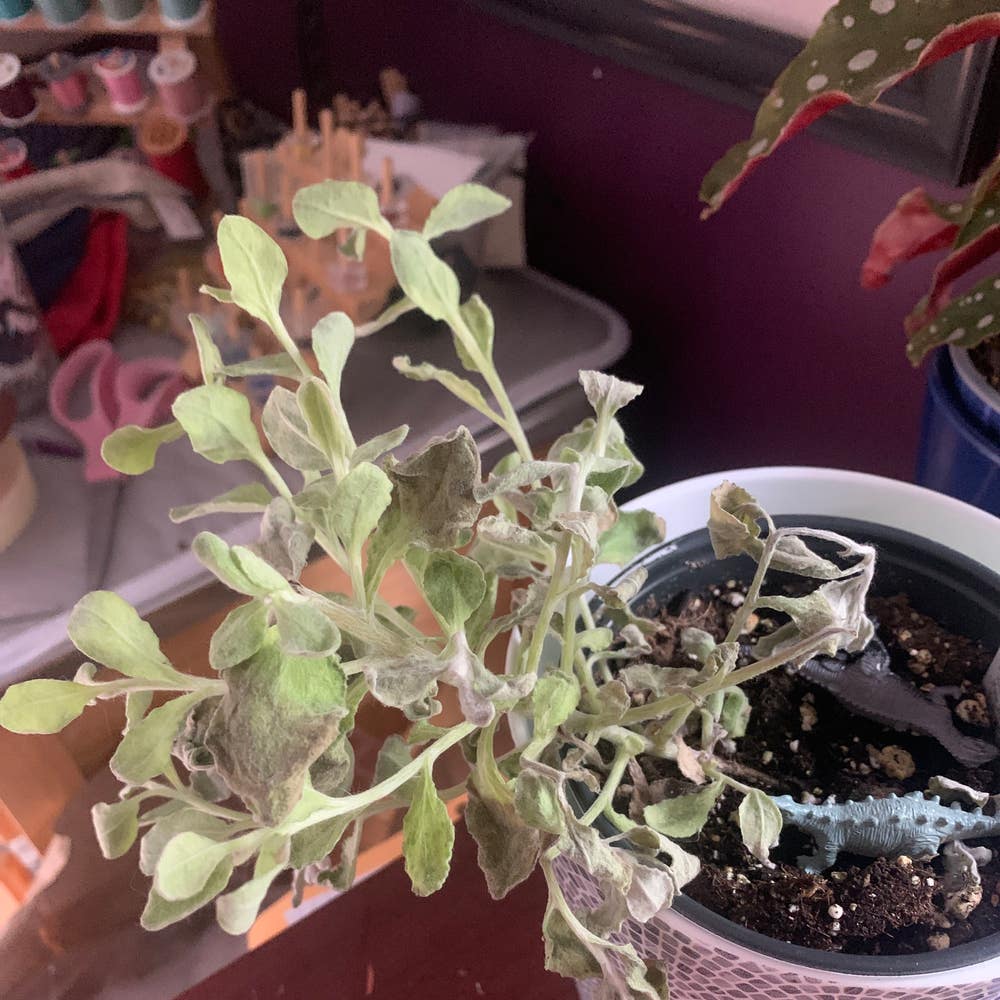
Overwatering can turn your Curry Plant's home into a soggy mess. Look for yellowing leaves or a mushy feel to the stem—these are distress flares. Before you water, do the finger test; if the soil sticks like cling film, hold off on the hydration.
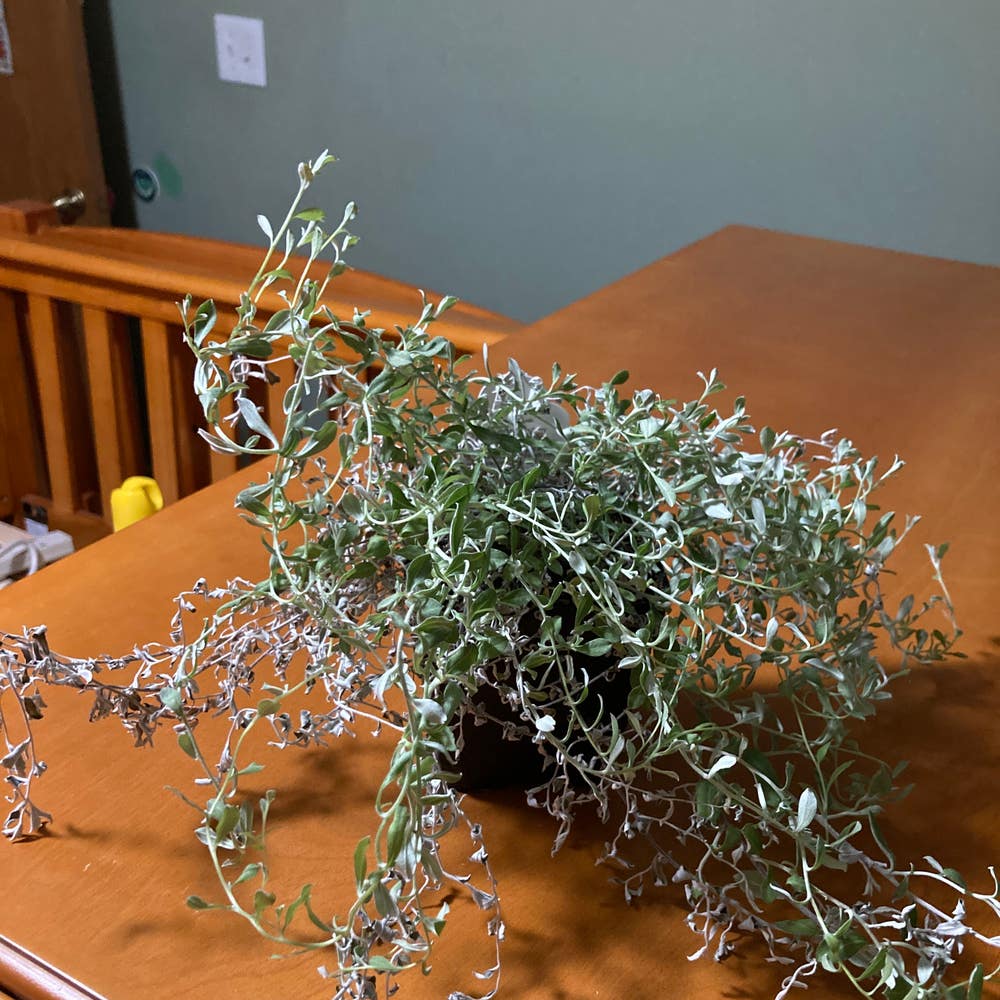
Underwatering leaves your plant's leaves wilted and as dry as stale bread. The soil will feel like a desert, and the leaves might have crispy tips. They're silently begging for a drink, so listen up and quench that thirst.
🌊 The Balancing Act
Achieving the perfect watering routine is like finding the sweet spot on your favorite couch. Consistency is key, but don't be a slave to the calendar. Adapt to your plant's needs, which can change with the season, temperature, and light.
Drainage is your plant's lifeline. Make sure your pot has holes to avoid waterlogging. If you're dealing with a chronic case of overwatering, consider a potting mix that drains faster or a pot that breathes better.
Remember, when it comes to watering, it's a marathon, not a sprint. Your Curry Plant doesn't need a flood, just a steady supply of moisture to keep it from drooping. Keep the soil moist, not drenched, and you'll have a happy plant on your hands.
Getting to the Root: Soil and Drainage Drama
💧 The Perfect Soil Mix
Root health is paramount for a thriving Curry Plant. The ideal soil mix strikes a balance between moisture retention and drainage. Aim for a lightweight, nutrient-rich composition, incorporating ingredients like coarse sand, perlite, and organic compost. This trio champions a well-aerated environment, allowing roots to breathe and preventing water from overstaying its welcome.
🚰 Drainage Do's and Don'ts
Drainage holes are non-negotiable; they're the escape route for excess water. But don't stop there. A layer of gravel or pebbles at the pot's base acts as a security guard against root rot. Remember, waterlogged soil is a silent killer. Regularly check that these holes are clear, because a blocked exit spells disaster for your plant's underground network.
Light and Heat: The Balmy Battle
🌞 Sunlight Sweet Spot
Bright, indirect light is the Goldilocks zone for Curry Plant leaves. Too much sun, and you're at risk of turning your plant into leaf jerky. Rotate your plant to prevent a lopsided growth tragedy. As seasons shift, so should your plant's position—keep those leaves out of harsh sunbeams.
Keeping Cool (or Warm)
Your Curry Plant doesn't appreciate extreme makeovers, especially in temperature. Aim for a steady 65°F to 80°F range to keep your plant from throwing a temper tantrum. Heat waves can lead to wilted aspirations, while cold fronts might as well be the kiss of death for those tender leaves. Keep it comfortable, and your plant will return the favor with perky foliage.
Feeding Finesse: Nutrient Know-How
💡 Spotting Starvation in Leaves
Yellowing leaves might be crying out for nitrogen. This is your plant's way of saying it's famished for nutrients. If the green in your Curry Plant's leaves is fading, it's time to consider a nutrient boost.
🍽️ The Fertilizer Fix
Selecting the right fertilizer is crucial. Think of it as a diet plan for your plant. A balanced NPK ratio is usually the way to go. Be wary of overfeeding; it's as harmful as underfeeding. Stick to the recommended dosage on the fertilizer package to avoid nutrient burn.
Remember, your plant's nutrient needs can change with the seasons and its life cycle. Keep an eye on its condition and adjust your fertilization plan accordingly. If you notice signs of overfeeding, such as dark green leaves or tips curling down, flush the soil with water to clear out the excess.
For targeted deficiencies, supplements like Epsom salts for magnesium or bone meal for phosphorus can be effective. But again, moderation is key. Too much can overwhelm your plant, leading to droopy leaves.
Foliar feeding can be a quick fix for nutrient deficiencies, offering a direct hit of nutrients to the leaves. However, this should be done during cooler hours to prevent leaf burn.
Regular monitoring and a consistent fertilizing schedule are your best defense against nutrient issues. Liquid fertilizers act quickly, while granules release nutrients slowly. Choose the type that best suits your plant care routine and watch your Curry Plant thrive.
⚠️ Safety First
This content is for general information and may contain errors, omissions, or outdated details. It is not medical, veterinary advice, or an endorsement of therapeutic claims.
Always consult a qualified healthcare professional before using any plant as food, medicine, or supplement.
Never eat any plant (or feed one to pets) without confirming its identity with at least two trusted sources.
If you suspect poisoning, call Poison Control (800) 222-1222, the Pet Poison Helpline (800) 213-6680, or your local emergency service immediately.
Spotted an error? Please report it here.
Ensure your Curry Plant thrives with the right balance of water, light, and nutrients, and count on Greg 🌿 to keep your green thumb on point with custom care schedules.