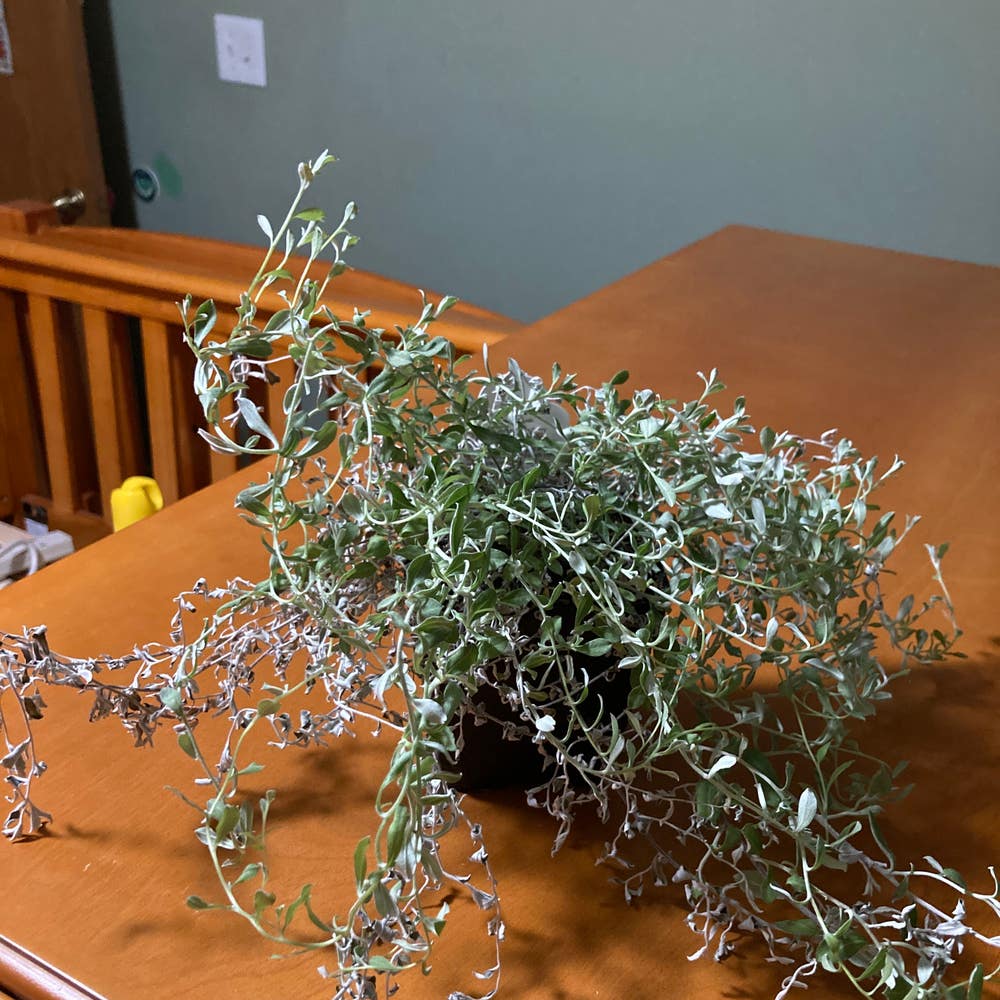
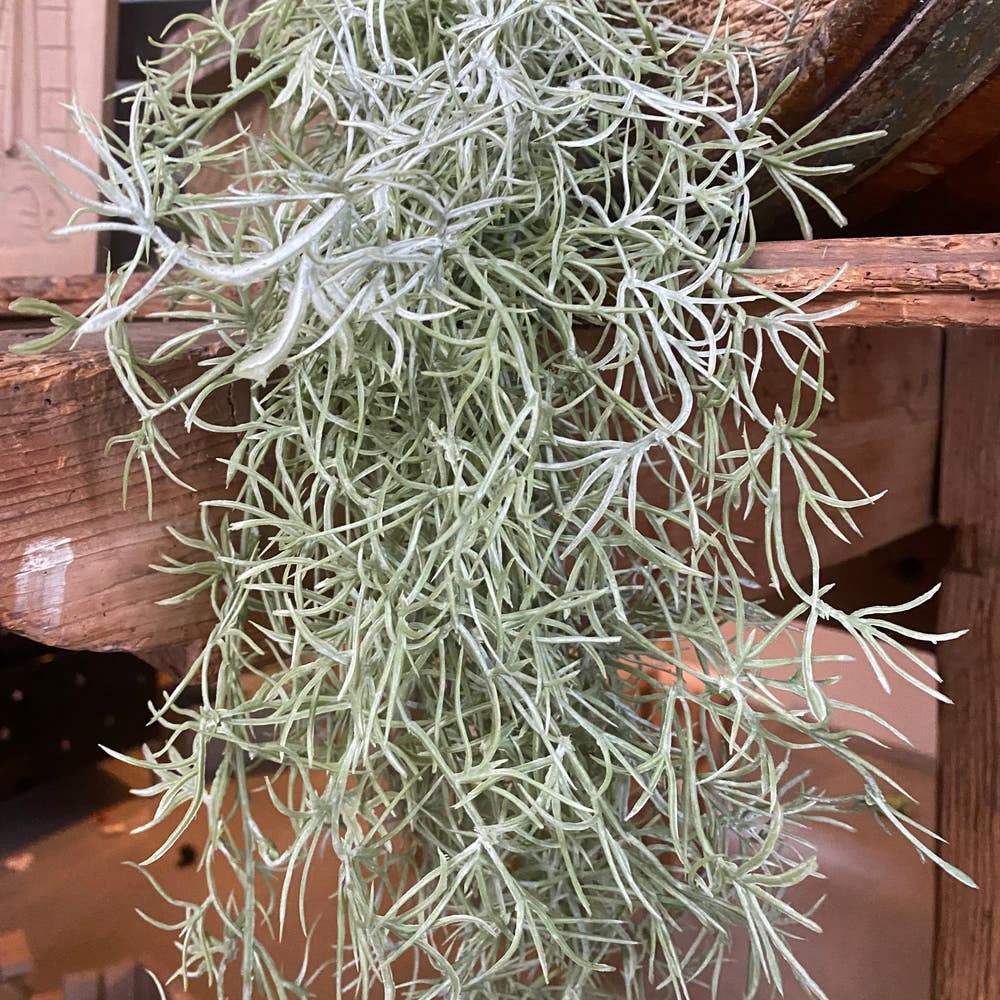
Best Potting Soil Mix for Curry Plant
Helichrysum italicum
By the Greg Editorial Team
Jun 18, 2024•4 min read
This article was created with the help of AI so we can cover more plants for you. May contain errors. See one? Report it here.
Boost your green thumb 🌿 by crafting the perfect soil mix that ensures your Curry Plant thrives!
- 🌱 Perfect mix: perlite, sand, peat moss, coir, vermiculite, pine bark for health.
- Sterilize DIY soil to prevent mold and pests.
- Homemade vs. store-bought: tailor mix to your Curry Plant's needs.
Spotting and Fixing Soil No-Nos
🚫 Signs Your Curry Plant's Soil is Unhappy
🍄 Spotting Mold
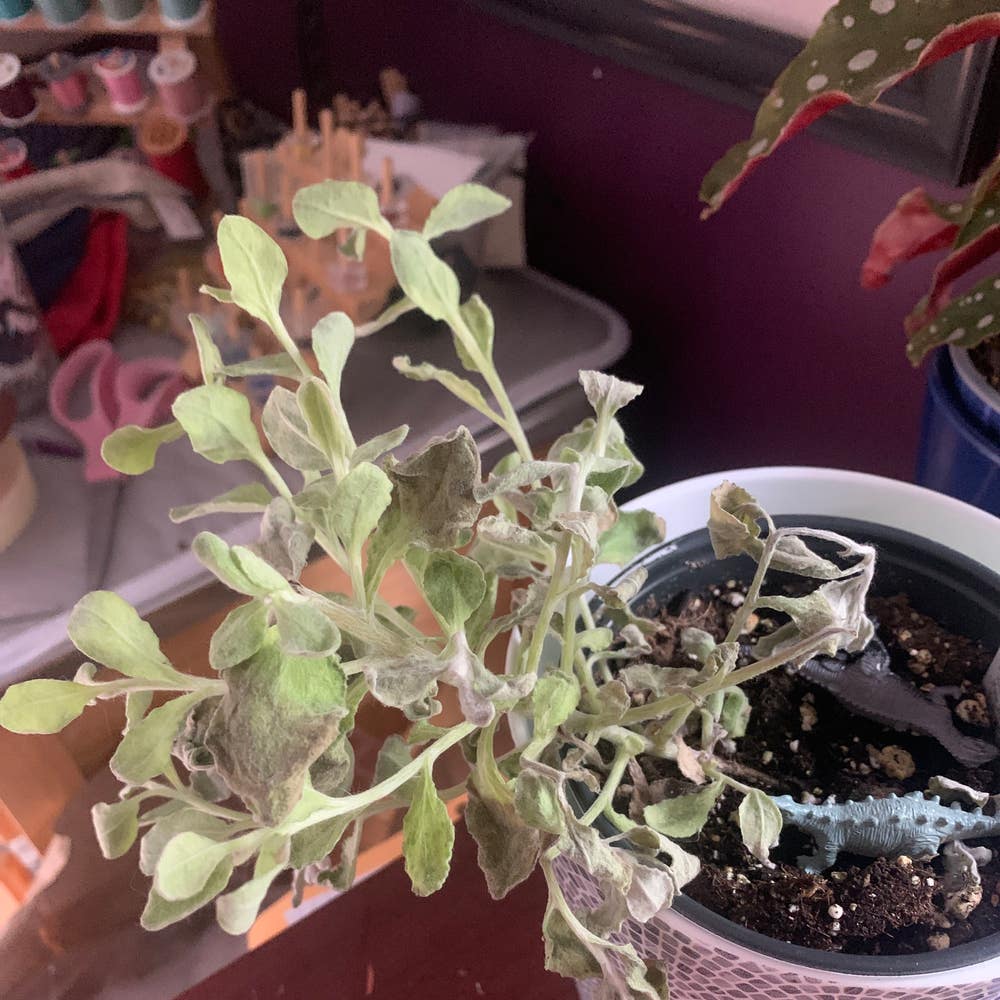
Mold on your Curry Plant's soil isn't just unsightly; it's a red flag for excess moisture. If you see a fuzzy or slimy layer, it's time to act.
Compaction Woes
Soil that's too dense is like a tight corset for roots; they can't breathe or grow. If water pools on the surface instead of soaking in, you've got compaction.
How to Nurse the Soil Back to Health
🌱 Repotting with Finesse
When repotting, think of it as a plant spa day. Remove the plant gently, discard the old soil, and introduce it to a fresh, well-draining mix.
💧 Watering Wisdom
Overwatering is a common misstep. Ensure your pot has drainage holes and follow the soak and dry method. Water deeply, then wait until the top inch of soil is dry before the next watering session.

Crafting the Ultimate Potting Mix
🌱 The Dream Team of Soil Ingredients
Creating the perfect potting mix for your Curry Plant isn't rocket science, but it does require some key players.
🌪️ Must-Haves: Perlite and Coarse Sand
Perlite is the non-negotiable lightweight champ, ensuring your soil is airy and well-draining. Think of it as the plant's personal life jacket, keeping roots from drowning. Coarse sand plays a similar role, adding grit and improving drainage, because no one likes wet feet, especially not your Curry Plant.
🌿 Organic Matter Mates: Peat Moss and Coconut Coir
Peat moss is the hydration hero, locking in just the right amount of moisture without turning your pot into a swamp. Coconut coir steps up as the sustainable sidekick, offering a similar moisture balance with a knack for resisting compaction over time.
💨 Aeration Aficionados: Vermiculite and Pine Bark
Vermiculite is the quiet achiever, helping to retain water and nutrients while also letting the roots breathe. Pine bark is the texture king, keeping the mix light and fluffy, resisting compaction, and ensuring those roots have all the air they need.
🌱 Mixing It Up: Your DIY Soil Recipe
Proportions for a Happy Curry Plant
Getting the mix right is crucial. Aim for 2 parts of your preferred all-purpose potting mix as the base. Add 1 part coarse sand for drainage, and 1 part perlite, coconut coir, or pine bark fines to ensure aeration. Mix it like you're on a cooking show, going for gold in the uniformity stakes.
🧼 Sterilizing Your Mix
Before you plant, make sure to sterilize your mix to evict any unwanted baddies. This can be done by baking the soil in an oven at 200°F for 30 minutes. It's like giving your soil mix a spa day before it gets to work.

Store-Bought vs. Homemade: The Showdown
🛒 When to Buy and When to DIY
🧐 Evaluating Commercial Mixes: What to Look for
When time is not on your side, or you're just dipping your toes into the world of Curry Plants, grabbing a commercial mix off the shelf can save the day. Look for brands that boast excellent drainage—a non-negotiable for your plant's health. But keep your eyes peeled; some mixes might be too moist for comfort. It's like picking a cereal based on the toy inside; sometimes, it's not the best choice for breakfast.
🌱 The Perks of Getting Your Hands Dirty with a Homemade Mix
Rolling up your sleeves and concocting your own soil mix is where you truly connect with your Curry Plant. It's a customization paradise, allowing you to tweak the mix to your plant's exact liking. Plus, your wallet will breathe a sigh of relief. Sure, it's a bit of a dirty job, but think of it as crafting a bespoke suit for your green buddy—tailored to fit perfectly.

⚠️ Safety First
This content is for general information and may contain errors, omissions, or outdated details. It is not medical, veterinary advice, or an endorsement of therapeutic claims.
Always consult a qualified healthcare professional before using any plant as food, medicine, or supplement.
Never eat any plant (or feed one to pets) without confirming its identity with at least two trusted sources.
If you suspect poisoning, call Poison Control (800) 222-1222, the Pet Poison Helpline (800) 213-6680, or your local emergency service immediately.
Spotted an error? Please report it here.
Create the ideal home for your Curry Plant with a custom soil mix and dodge overwatering woes with Greg's 🌱 tailored watering schedule and soil moisture alerts.