Curry Plant: Not an Invasive Plant 🍛
Helichrysum italicum
By the Greg Editorial Team
Oct 17, 2024•5 min read
This article was created with the help of AI so we can cover more plants for you. May contain errors. See one? Report it here.
Boost your garden's beauty and biodiversity 🌼 with the aromatic Curry Plant—an eco-friendly choice for vibrant growth!
- 🌱 Curry Plant thrives in well-drained soil and needs at least six hours of sunlight.
- 🐝 Attracts pollinators like bees and butterflies, enhancing garden biodiversity.
- 🍽️ Adds unique flavor to dishes, making it a favorite among chefs and gardeners.
Growth Habits
Typical Growth Patterns 🌱
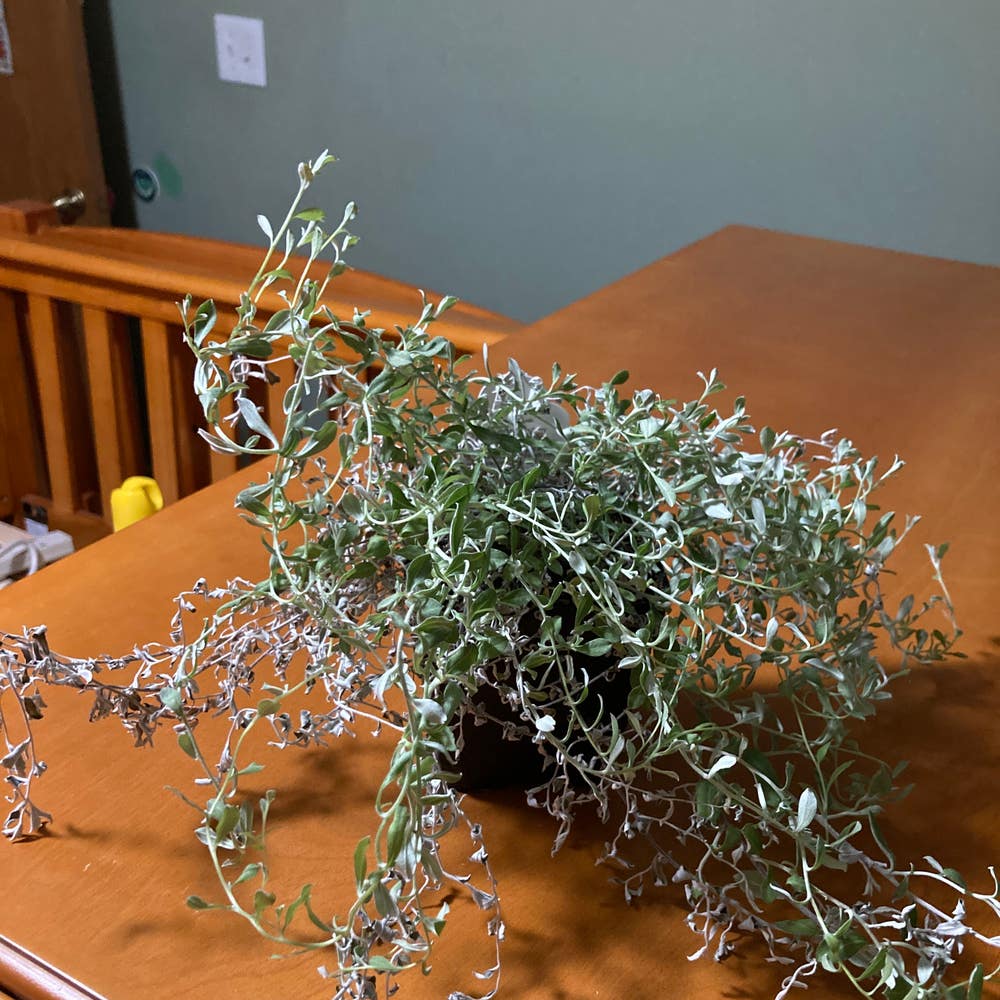
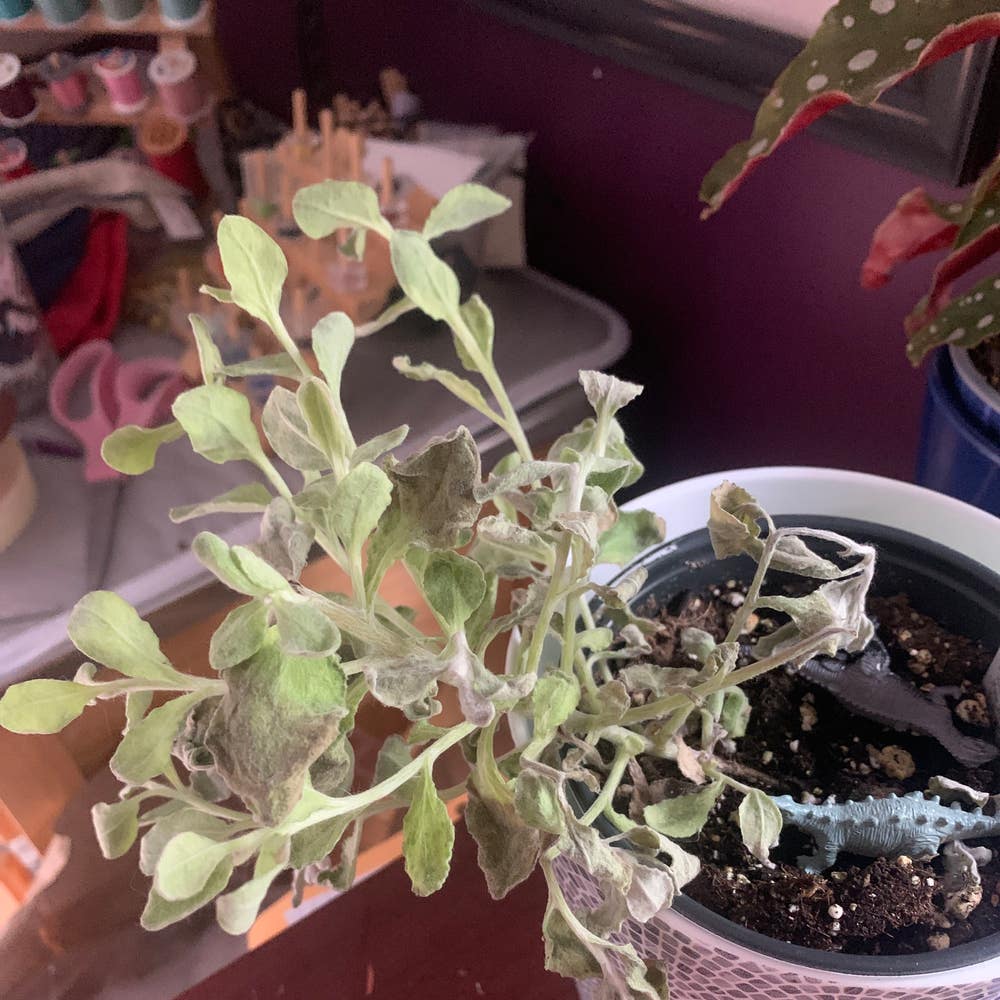
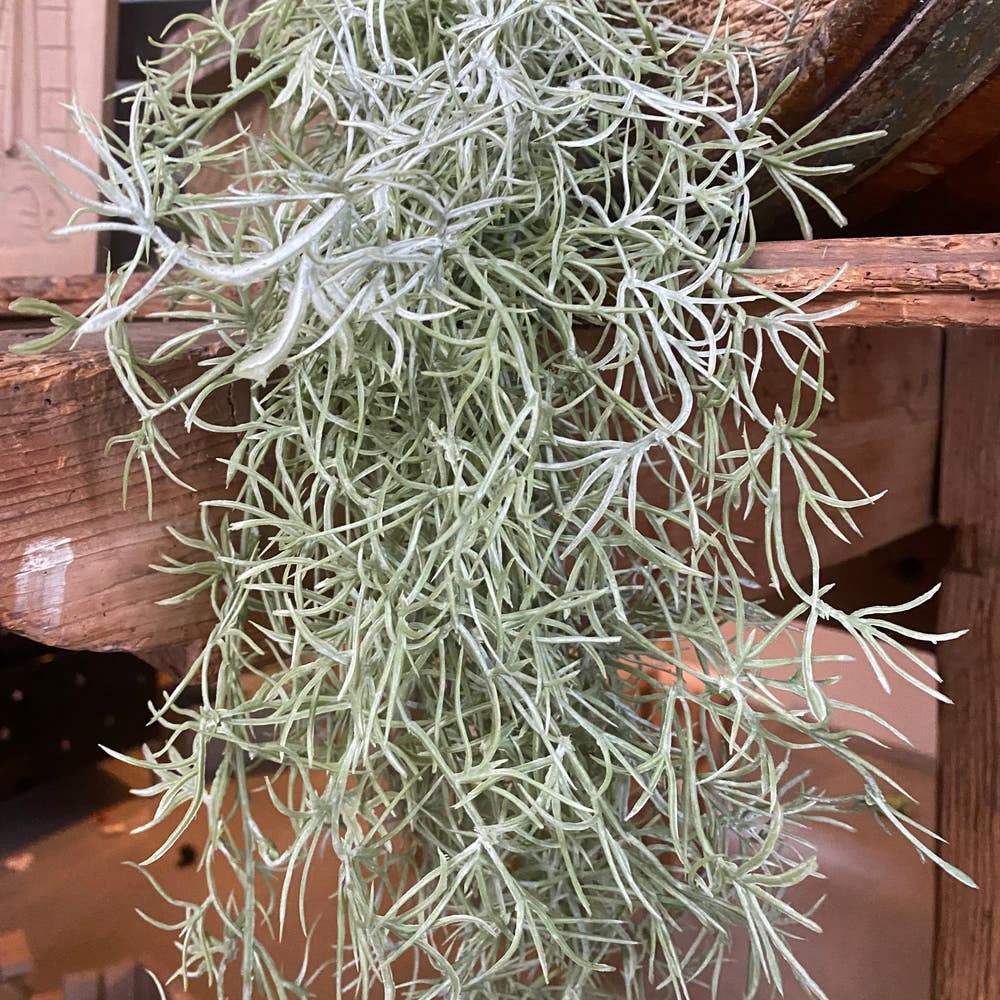
The Curry Plant is a perennial shrub that typically reaches heights of 1 to 3 feet. Its growth is characterized by a bushy form, with vibrant green leaves that emit a distinct curry aroma.
This plant showcases a moderate growth rate, flowering primarily in late summer. The small yellow flowers attract pollinators, adding a splash of color to your garden.
For optimal growth, the Curry Plant thrives in well-drained soil with a pH between 6.0 and 7.0. It prefers full sun, requiring at least six hours of direct sunlight daily, and moderate watering to maintain healthy foliage.
Natural Limits to Growth 🚧
Environmental factors can limit the growth of the Curry Plant. Poor soil quality, inadequate moisture levels, and competition from other plants can hinder its development.
In garden settings, the Curry Plant has a tendency to self-seed, which can be beneficial or challenging depending on your management approach. Regular monitoring and strategic placement can help maintain its desired presence in your garden.
Understanding these growth habits allows you to create an environment where the Curry Plant can flourish while coexisting harmoniously with other plants.
Ecological Role
Benefits to Ecosystems 🌼
The Curry Plant plays a vital role in enhancing biodiversity. It attracts beneficial insects, particularly pollinators like bees and butterflies, which are essential for a thriving garden ecosystem.
Additionally, this plant contributes to soil health by improving nutrient levels and promoting microbial activity. Its presence helps stabilize the microclimate, creating a more hospitable environment for various organisms.
Positive Interactions 🌱
Incorporating the Curry Plant into your garden can yield significant companion planting benefits. It supports neighboring plants by providing shade and moisture retention, which can be crucial for their growth.
Moreover, the Curry Plant's ability to attract beneficial insects aids in natural pest management. This reduces the need for chemical interventions, promoting a healthier garden overall.
Garden Management
Incorporation into Designs 🌿
Integrating the Curry Plant into your garden can elevate both aesthetics and functionality. It thrives in Mediterranean and herb gardens, adding a vibrant touch with its aromatic foliage.
Consider placing it in sunny spots where it can reach its full height of 1-3 feet. Pair it with companion plants like lavender or rosemary, which not only complement its look but also share similar growing conditions.
Growth Control Methods ✂️
Maintaining the shape and size of your Curry Plant is straightforward. Regular pruning helps keep it bushy and encourages new growth.
For watering, aim for a moderate schedule—allow the soil to dry out between waterings. Fertilizing with a balanced mix during the growing season can promote health and vigor without overwhelming the plant.
With these simple strategies, your Curry Plant can flourish beautifully in your garden, enhancing both its charm and utility.
Comparison to Other Plants
🌿 Similar Non-Invasive Plants
When considering non-invasive aromatic herbs, lavender and rosemary often come to mind. These plants share similar growth habits with the Curry Plant, typically thriving in well-drained soil and sunny locations.
- Lavender grows about 1-3 feet tall, producing stunning purple flowers that attract pollinators.
- Rosemary can reach heights of up to 4 feet, offering fragrant foliage that enhances culinary dishes.
All three plants contribute positively to garden ecosystems, attracting beneficial insects and enhancing biodiversity.
✨ Unique Qualities
The Curry Plant stands out with its distinctive curry scent, which adds a unique flair to culinary creations. Its leaves can be used in various dishes, providing a flavorful twist that many chefs appreciate.
In addition to its culinary uses, the Curry Plant boasts impressive drought tolerance. This low-maintenance herb requires minimal watering, making it an excellent choice for gardeners looking to conserve resources while maintaining a vibrant garden.
As you explore the world of aromatic herbs, consider how the Curry Plant's unique qualities can complement your garden. Its resilience and culinary versatility make it a valuable addition alongside other non-invasive herbs.
Legal and Environmental Considerations
📜 Classifications and Guidelines
When considering planting the Curry Plant, it's essential to check local regulations. Some regions may have specific guidelines regarding its cultivation, especially if you're in an area sensitive to non-native species.
In many places, the Curry Plant is welcomed in gardens due to its non-invasive nature. Its acceptance in sustainable gardening practices highlights its role in promoting biodiversity without overwhelming local ecosystems.
🌱 Role in Sustainable Practices
Incorporating the Curry Plant into sustainable garden designs offers numerous benefits. It not only enhances the aesthetic appeal but also supports local wildlife, creating a thriving ecosystem.
Biodiversity is crucial for ecological balance. By adding the Curry Plant, you contribute to a healthier garden environment, fostering beneficial interactions among plants and insects. This approach not only beautifies your space but also promotes a sustainable future.
As you plan your garden, consider how the Curry Plant can play a vital role in your landscape. Its integration can lead to a more vibrant, resilient ecosystem that benefits both you and the environment.
Next, let’s explore how to effectively manage the growth of the Curry Plant in your garden.
⚠️ Safety First
This content is for general information and may contain errors, omissions, or outdated details. It is not medical, veterinary advice, or an endorsement of therapeutic claims.
Always consult a qualified healthcare professional before using any plant as food, medicine, or supplement.
Never eat any plant (or feed one to pets) without confirming its identity with at least two trusted sources.
If you suspect poisoning, call Poison Control (800) 222-1222, the Pet Poison Helpline (800) 213-6680, or your local emergency service immediately.
Spotted an error? Please report it here.
Boost your garden's biodiversity 🌼 with the Curry Plant, and let Greg guide you with tailored care tips to ensure it thrives while attracting pollinators and enhancing your culinary creations!