🌿 Curry Plant Width: What to Expect
Helichrysum italicum
By the Greg Editorial Team
Oct 17, 2024•3 min read
This article was created with the help of AI so we can cover more plants for you. May contain errors. See one? Report it here.
Unlock the secret to thriving curry plants 🌱 by mastering their size, growth needs, and pruning techniques for your garden!
- 🌱 Curry plants grow 3-6 feet tall and 2-4 feet wide; dwarf varieties are smaller.
- ☀️ 6-8 hours of sunlight daily is essential for optimal growth and size.
- 🌿 Well-drained, fertile soil and consistent moisture promote healthy curry plant development.
Mature Height and Width
Typical Dimensions 🌱
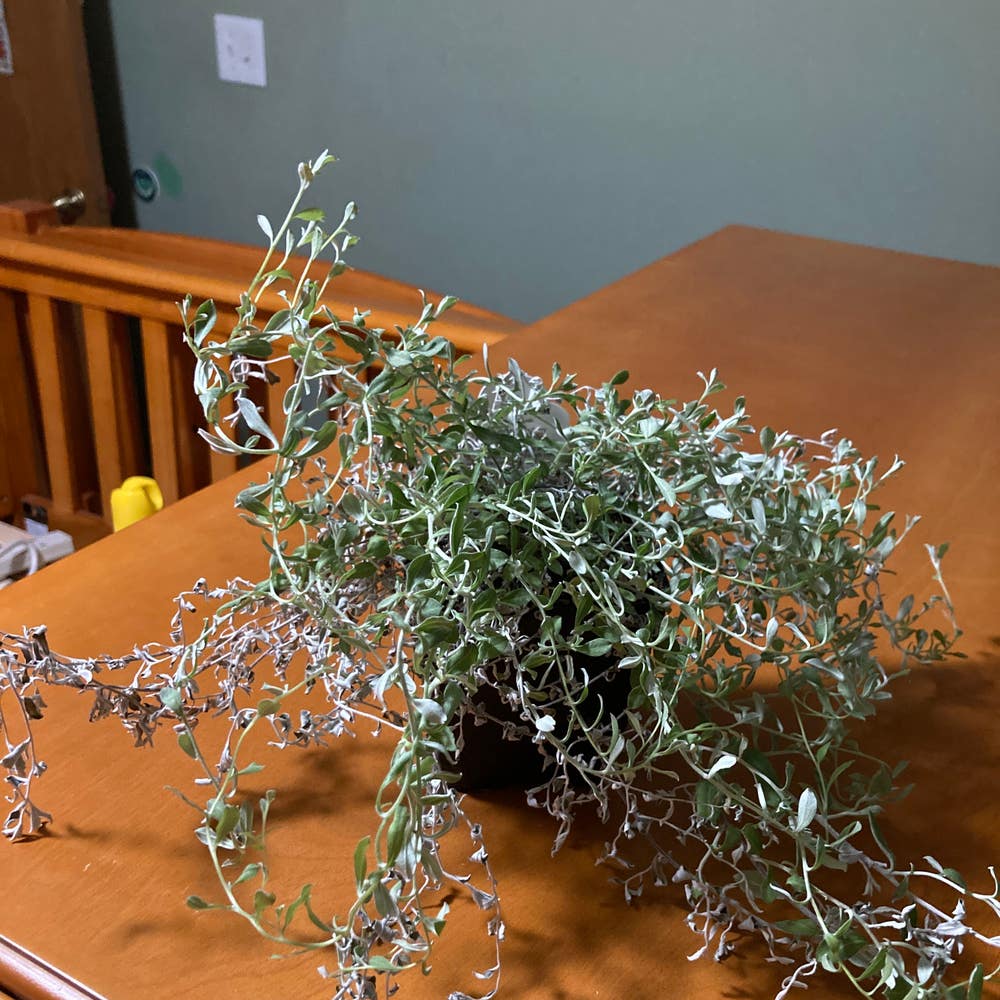
Curry plants typically reach a mature height of 3 to 6 feet (0.9 to 1.8 meters). Their width can range from 2 to 4 feet (0.6 to 1.2 meters), making them a substantial addition to any garden.
Dwarf and Giant Varieties 🐉
If you're looking for something smaller, the dwarf variety maxes out at 2 to 3 feet (0.6 to 0.9 meters). On the other end of the spectrum, giant varieties can exceed 6 feet (1.8 meters) when grown under ideal conditions.
Growth Rate and Time to Reach Full Size ⏳
Curry plants have a moderate growth rate, but this can vary significantly based on their environment. Generally, they take about 3 to 5 years to reach their full size, so patience is key when cultivating these aromatic beauties.
Understanding these dimensions helps you plan your garden layout effectively. Next, let’s explore how different growing conditions can impact the size of your curry plant.
Size Variability Based on Growing Conditions
🌱 Impact of Soil Quality
The quality of soil plays a crucial role in the growth of curry plants. Well-drained, fertile soil promotes optimal growth, allowing the plant to reach its full potential.
In contrast, poor soil quality can stunt growth and reduce dimensions significantly. If your soil lacks nutrients or drainage, your curry plant may struggle to thrive.
☀️ Influence of Light Exposure
Light exposure is another key factor influencing plant size. Curry plants thrive in full sun, requiring 6 to 8 hours of sunlight daily to achieve maximum height and spread.
Insufficient light can lead to leggy growth, resulting in a smaller and less robust plant. Make sure to position your curry plant where it can soak up those rays!
💧 Effects of Watering and Fertilization
Watering practices are essential for healthy growth. Consistent moisture is crucial; however, overwatering can lead to root rot, which stunts size and vitality.
Using a balanced NPK fertilizer can significantly enhance growth rates and dimensions. This simple addition can make a world of difference in how your curry plant flourishes.
Understanding these growing conditions can help you cultivate a thriving curry plant. Next, let’s explore how to control the size of your plant through various techniques.
Controlling Size
✂️ Pruning Techniques
Controlling the size of your curry plant starts with effective pruning. The best time to prune is early spring, just before new growth begins.
Pinching Back New Growth: This technique encourages bushiness and fuller plants. It’s moderately difficult but well worth the effort.
Removing Dead or Overcrowded Branches: This helps maintain the plant's shape and promotes healthy growth.
Limiting Height: Cut back to desired nodes to keep your plant at a manageable size.
🪴 Container Gardening
Container gardening can significantly influence the size of your curry plant. Smaller containers restrict growth, leading to smaller plants.
For optimal growth, choose a pot that is at least 12 inches in diameter. This gives the roots enough space to thrive.
🌱 Seasonal Considerations
Understanding seasonal changes is crucial for size control. In spring, focus on encouraging growth with appropriate pruning and fertilization.
As fall approaches, prepare your plant for dormancy by reducing watering and fertilization. This helps your curry plant conserve energy for the next growing season.
By mastering these techniques, you can effectively manage your curry plant's size and ensure it thrives in your garden. Next, let’s explore how growing conditions can impact the size of your curry plant.
⚠️ Safety First
This content is for general information and may contain errors, omissions, or outdated details. It is not medical, veterinary advice, or an endorsement of therapeutic claims.
Always consult a qualified healthcare professional before using any plant as food, medicine, or supplement.
Never eat any plant (or feed one to pets) without confirming its identity with at least two trusted sources.
If you suspect poisoning, call Poison Control (800) 222-1222, the Pet Poison Helpline (800) 213-6680, or your local emergency service immediately.
Spotted an error? Please report it here.
Grow your curry plant to its full potential 🌱 with Greg's tailored care tips and watering reminders that ensure it thrives in your unique environment!