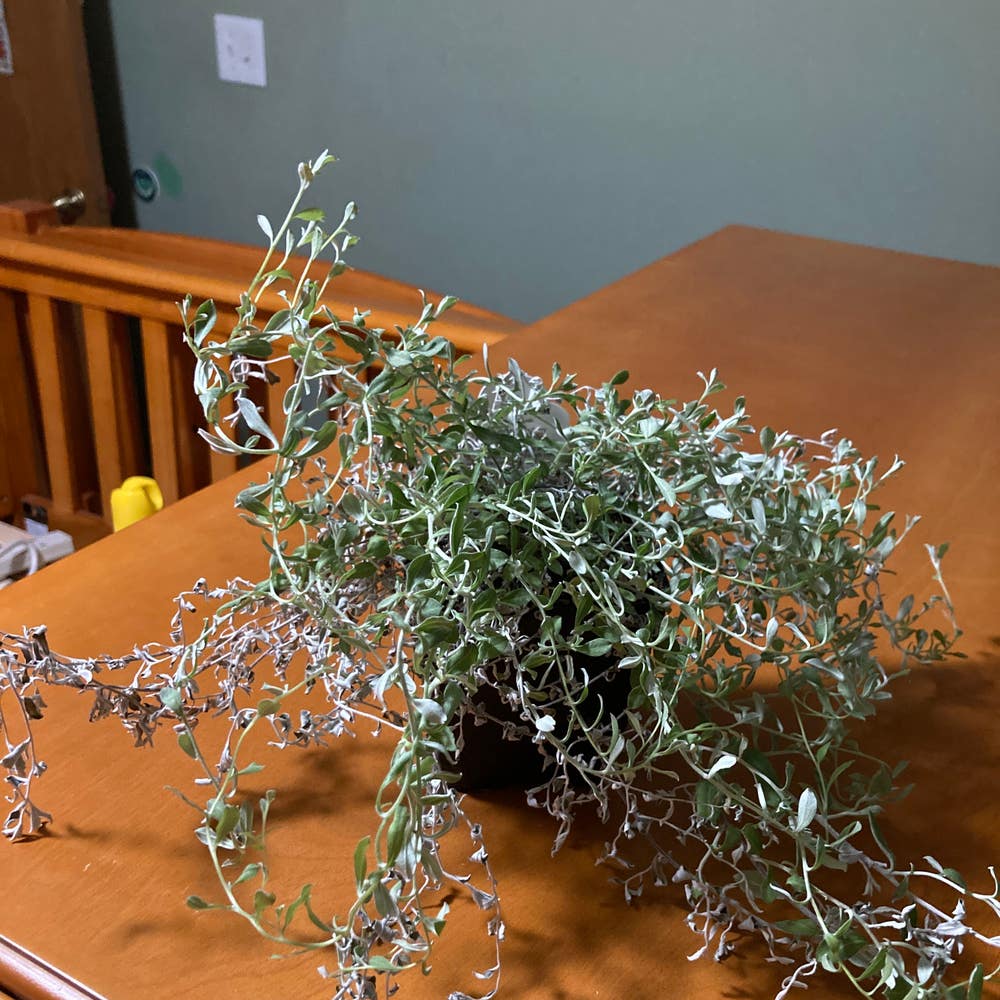
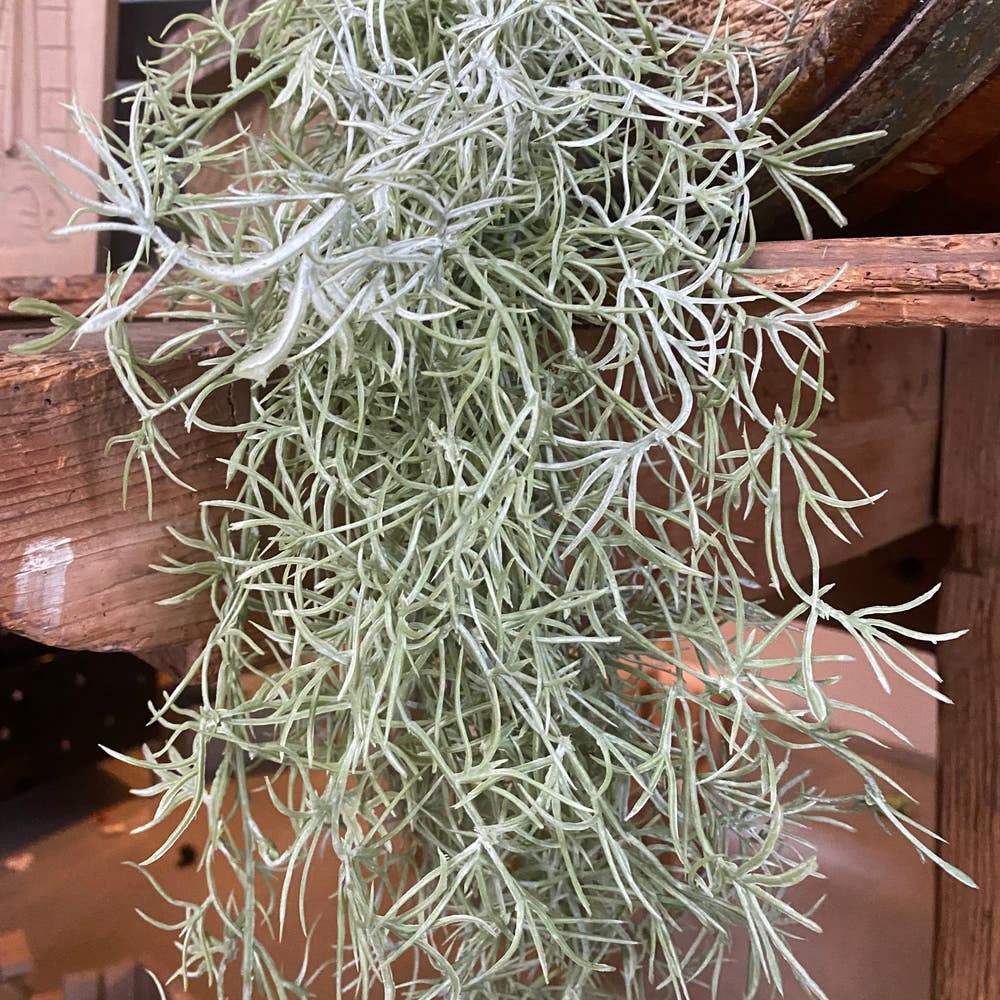
Curry Plant: A Perennial Plant 🍛
Helichrysum italicum
By the Greg Editorial Team
Oct 17, 2024•5 min read
This article was created with the help of AI so we can cover more plants for you. May contain errors. See one? Report it here.
Unlock a thriving garden with the resilient curry plant, a perennial that brings sustainability and beauty! 🌱
- 🌱 Curry plants are perennials, thriving for 5-10 years with proper care.
- ☀️ They need full sun (6-8 hours) for optimal growth and flavor.
- 🌿 Well-drained soil is essential to prevent root rot and ensure health.
Characteristics of Curry Plant as a Perennial
🌱 Multi-Year Lifecycle and Growth Patterns
The curry plant boasts a fascinating multi-year lifecycle. It begins with spring emergence, where new growth bursts forth, followed by a robust summer growth phase, and culminates in autumn as the plant prepares for dormancy.
In terms of growth patterns, the curry plant typically reaches heights of 2-3 feet. Its leaf production is impressive, continuing throughout the growing season, ensuring a lush appearance.
🌿 Regrowth from Roots Each Year
The curry plant's ability to regrow each year is rooted in its established root system. These roots store energy, allowing the plant to bounce back after winter.
This resilience is remarkable; the curry plant can survive adverse conditions and re-emerge in spring, showcasing its hardiness and adaptability.
The combination of these characteristics makes the curry plant a reliable choice for gardeners looking for a perennial that thrives year after year.
As we explore further, let’s delve into the implications of its growth and lifespan.
Growth and Lifespan Implications
🌼 Effects of Perennial Nature on Growth and Flowering
The curry plant showcases its perennial nature through distinct flowering patterns. It typically blooms in late summer, a time when it attracts a variety of pollinators, enhancing the garden's ecosystem.
This flowering phase is not just beautiful; it also contributes to the plant's overall vigor. With established root systems, the curry plant enjoys stronger growth, allowing it to thrive season after season.
⏳ Expected Lifespan of Curry Plant
Under optimal conditions, the curry plant can live between 5 to 10 years. This longevity is influenced by several factors, including soil quality, water availability, and sunlight exposure.
Healthy soil rich in nutrients, consistent watering, and ample sunlight are crucial for maximizing the plant's lifespan. By paying attention to these elements, gardeners can enjoy the benefits of this resilient perennial for many years.
As we delve deeper into the curry plant's seasonal changes, we can better understand how to care for it throughout its lifecycle.
Dormancy and Seasonal Changes
🌙 Description of Dormancy Periods
During winter, the curry plant enters a restful dormancy phase. This is a crucial time for conserving energy, allowing the plant to survive the cold months.
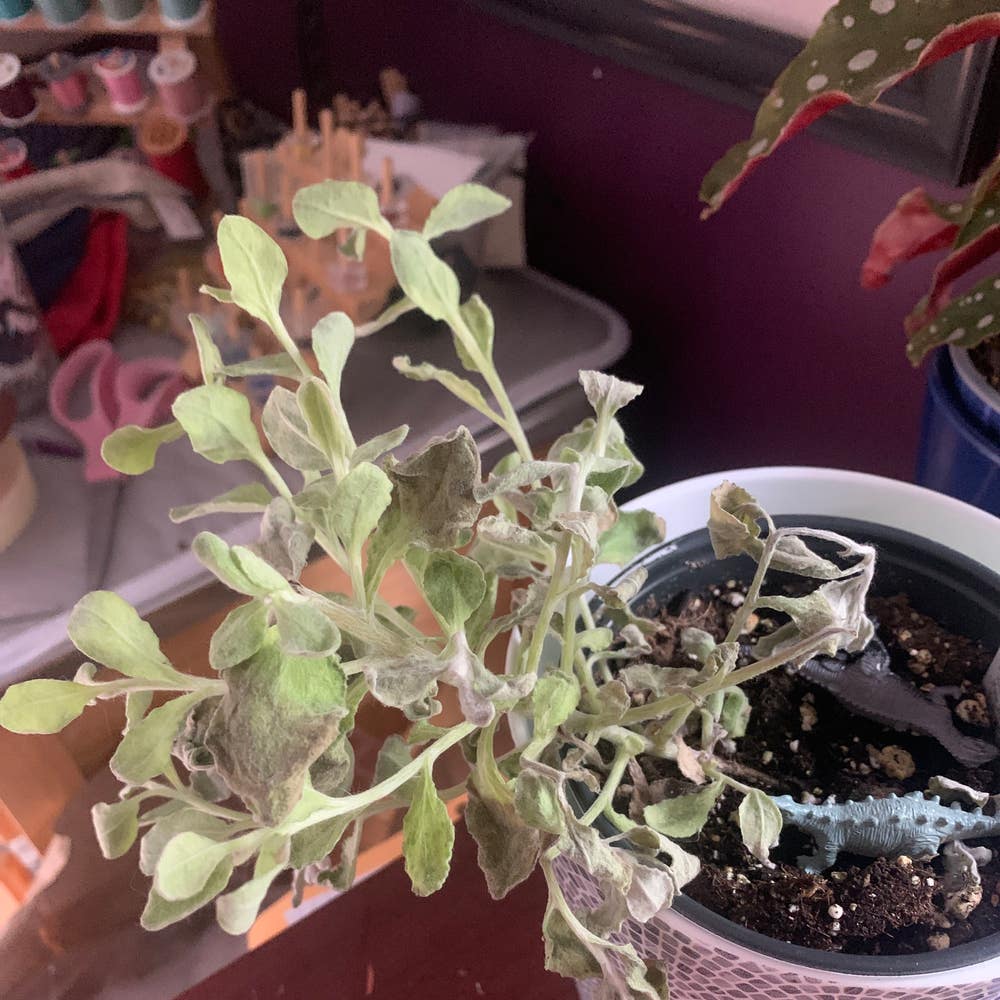
Signs of dormancy are easy to spot. You’ll notice yellowing leaves and a significant reduction in growth, indicating the plant is taking a break.
🌱 Seasonal Changes in Curry Plant
As spring arrives, the curry plant awakens from its slumber. New growth and vibrant leaf production mark this exciting time of year.
Summer brings peak growth and flowering, showcasing the plant's full potential. This is when it attracts pollinators, adding life to your garden.
In autumn, the curry plant prepares for winter by storing nutrients in its roots. This preparation is vital for a strong comeback in the following spring.
Understanding these seasonal changes helps you appreciate the curry plant's resilience and beauty. It’s a reminder of nature's cycles and the joy of nurturing a perennial in your garden.
Advantages for Gardeners
Benefits of Reduced Replanting 🌱
One of the standout advantages of the curry plant is its ability to thrive year after year. This means fewer annual planting costs, making it a smart long-term investment for any gardener.
Additionally, the curry plant contributes to sustainability. With less disruption to soil health, you can maintain a thriving ecosystem in your garden, benefiting both your plants and the environment.
Importance of Established Root Systems 🌳
The established root systems of the curry plant offer significant benefits, particularly in terms of drought tolerance. Once these roots are set, the plant can withstand dry spells, ensuring it remains resilient even in challenging conditions.
Moreover, deeper root systems lead to improved nutrient uptake. This results in stronger, healthier plants that can better support your garden's overall vitality.
Climate Zone Variations
🌍 Variations in Perennial Behavior Across Climate Zones
The curry plant is remarkably adaptable, thriving in USDA zones 8-11. In these warmer climates, it can exhibit year-round growth, making it a reliable choice for gardeners seeking a perennial herb.
In cooler zones, growth may slow down significantly during the winter months. Understanding these variations helps gardeners plan effectively for their specific climate conditions.
🌱 Growing Conditions Affecting Curry Plant's Perennial Nature
Soil drainage is crucial for the health of the curry plant's roots. Well-drained soils prevent waterlogging, which can lead to root rot and other issues.
Additionally, the curry plant requires full sun, ideally receiving 6-8 hours of sunlight daily. This exposure not only promotes optimal growth but also enhances the plant's flavor profile.
By considering these growing conditions, you can ensure your curry plant thrives and contributes to your garden for years to come. Next, let’s explore how to maximize the benefits of this hardy perennial in your garden planning.
Maximizing Benefits in Garden Planning
🌱 Tips for Long-Term Cultivation
To ensure your curry plant thrives, start with soil preparation. Use well-draining, nutrient-rich soil to provide the best foundation for growth.
Next, focus on watering practices. Establish a consistent watering schedule, especially during dry spells, to keep your plant healthy and vibrant.
🌼 Strategies for Integrating Curry Plant into Garden Design
Consider companion planting to enhance your garden's ecosystem. Pair your curry plant with drought-tolerant species to create a resilient garden that conserves water.
Additionally, think about seasonal planning. Position your curry plant to maximize sunlight exposure throughout the year, ensuring it receives the full benefits of the sun's rays.
With these strategies, you can cultivate a thriving curry plant that not only enhances your garden but also contributes to its sustainability. As you plan, remember that a little foresight can lead to a flourishing garden for years to come.
⚠️ Safety First
This content is for general information and may contain errors, omissions, or outdated details. It is not medical, veterinary advice, or an endorsement of therapeutic claims.
Always consult a qualified healthcare professional before using any plant as food, medicine, or supplement.
Never eat any plant (or feed one to pets) without confirming its identity with at least two trusted sources.
If you suspect poisoning, call Poison Control (800) 222-1222, the Pet Poison Helpline (800) 213-6680, or your local emergency service immediately.
Spotted an error? Please report it here.
Nurture the resilient curry plant 🌿 with Greg's tailored care tips and reminders, ensuring it flourishes beautifully in your garden for years to come!