👨🍳 How Fast A Curry Plant Grows
Helichrysum italicum
By the Greg Editorial Team
Oct 17, 2024•6 min read
This article was created with the help of AI so we can cover more plants for you. May contain errors. See one? Report it here.
Cultivate a thriving curry plant 🌱 by mastering its growth stages and essential care tips for success!
- 🌱 Curry plants germinate in 7-14 days at 20-25°C (68-77°F) for optimal growth.
- 🌞 Healthy growth requires light soil, consistent moisture, and proper care throughout all stages.
- 🌼 Curry plants take 2-3 years to reach full height, producing flowers and seeds along the way.
Germination Stage
🌱 Duration of Germination
The germination period for a curry plant typically spans 7-14 days. To kickstart this process, aim for warm temperatures between 20-25°C (68-77°F).
🌟 Conditions for Successful Germination
To ensure successful germination, focus on three key conditions:
Soil
Use a well-draining, light soil mix. This helps prevent waterlogging, which can hinder growth.
Moisture
Maintain consistent moisture in the soil. However, be cautious not to overwater, as this can lead to root rot.
Light
Provide indirect sunlight to the seedlings. This prevents them from drying out while still encouraging healthy growth.
By meeting these conditions, you set the stage for a thriving curry plant. With the right care, you'll soon see those first leaves emerge, signaling the start of an exciting growth journey.
Next, let’s explore the seedling stage and what to expect as your plant continues to develop.
Seedling Stage
Duration of Seedling Growth 🌱
The seedling stage lasts about 4 to 6 weeks. This is when your curry plant transitions, developing 2 to 3 true leaves that signal it's ready to grow.
Characteristics of Seedlings 🌿
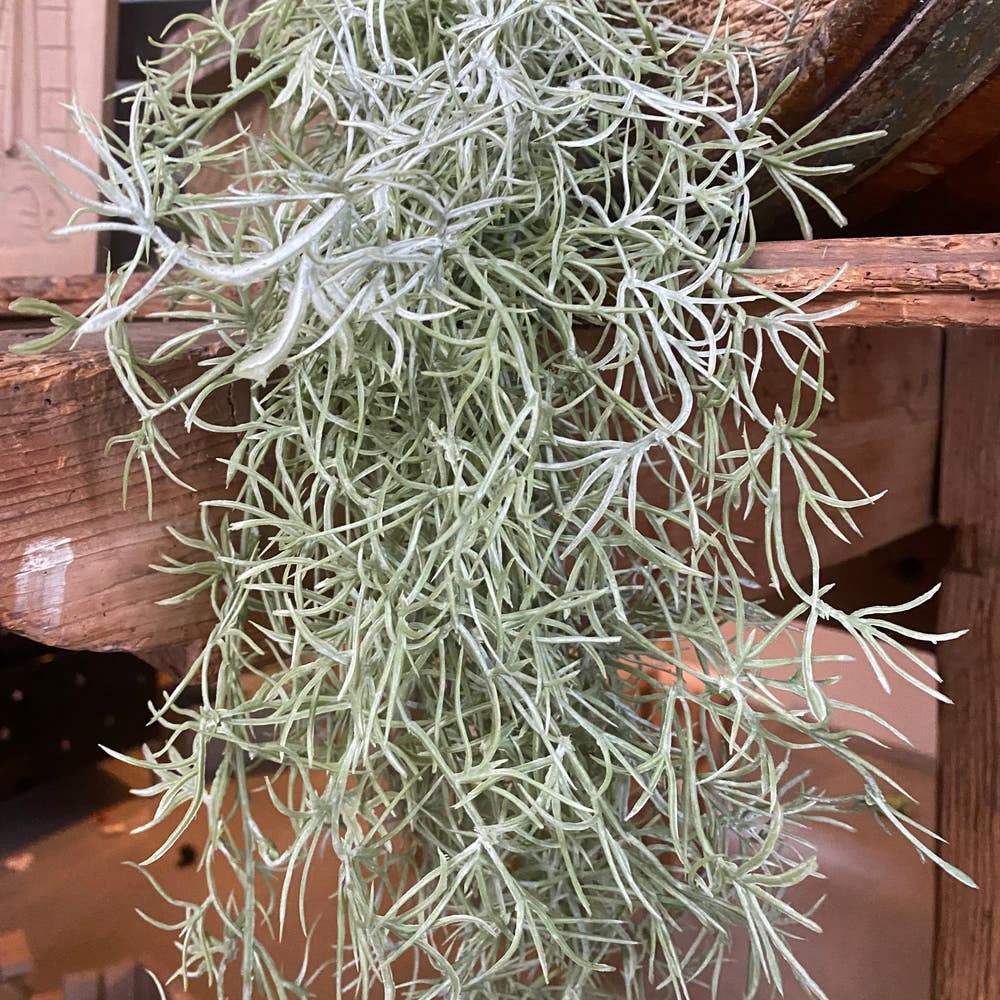
At this stage, seedlings typically reach a height of 5 to 10 cm. Their small, elongated leaves emit a distinct aroma, hinting at the flavorful plant they will become.
Root Development 🌍
During this period, the seedlings focus on establishing a strong root system. A robust root network is crucial for nutrient uptake and overall plant health.
Importance of Care 💧
Proper care during the seedling stage can set the foundation for a thriving curry plant. Ensure they receive adequate light and moisture to support their growth.
As your seedlings flourish, they pave the way for the next exciting phase: vegetative growth. This is where the real transformation begins!
Vegetative Growth Stage
Duration of Vegetative Growth 🌱
The vegetative growth stage of a curry plant lasts between 6 to 12 months. This period is influenced by various factors, including environmental conditions and the care practices you implement.
Changes in Leaf Structure and Size 🍃
During this stage, the leaves undergo significant changes. They can grow up to 15 cm in length, showcasing a vibrant deep green color that signals healthy photosynthesis.
Branching Development 🌿
As the plant matures, it begins to develop multiple stems. This branching not only enhances the plant's overall structure but also increases its capacity for photosynthesis, leading to even more robust growth.
Importance of Care 🧑🌾
Proper care during this stage is crucial. Regular watering, adequate sunlight, and appropriate fertilization can dramatically enhance growth rates and overall plant health.
Observing Growth Patterns 👀
Keep an eye on your curry plant during this phase. Noticing the changes in leaf size and color can be incredibly rewarding, as it reflects the plant's vitality and your nurturing efforts.
As the vegetative stage progresses, the curry plant sets the stage for the next exciting phase: flowering. Let's explore what happens when those vibrant yellow flowers begin to bloom!
Flowering Stage
Duration of Flowering 🌼
The flowering stage of the curry plant lasts about 2-4 weeks. This vibrant display typically occurs in late spring to early summer, marking an exciting time in the plant's life cycle.
Characteristics of Flowers 🌸
During this stage, you'll notice small, yellow flowers that cluster at the tips of the stems. These charming blooms not only add beauty but also attract pollinators, which are essential for seed production.
The presence of these flowers signals that your curry plant is thriving. It's a reminder of the plant's journey and the care you've provided along the way.
As the flowering stage wraps up, the plant prepares for the next phase: seed production. This transition is crucial for ensuring the continuation of your curry plant's life cycle.
Seed Production Stage
Duration of Seed Production 🌱
The seed production stage typically lasts about 4-6 weeks after flowering. During this time, the plant requires adequate sunlight and moisture to thrive.
Process of Seed Formation 🌿
Curry plants are self-pollinating, which means they can produce seeds without needing another plant. This efficient process leads to the development of small, brown seeds that are perfect for propagation.
The seeds are crucial for the next generation of curry plants, ensuring the cycle continues. With the right conditions, these seeds can sprout into new plants, contributing to your garden's bounty.
As you observe this stage, you’ll notice how vital sunlight and moisture are for successful seed formation. Proper care during this period can significantly enhance seed quality and viability.
With the seed production stage complete, the journey of the curry plant continues, leading us to explore its growth rate and maturation.
Growth Rate and Maturation
🌱 How Fast Does Curry Plant Grow?
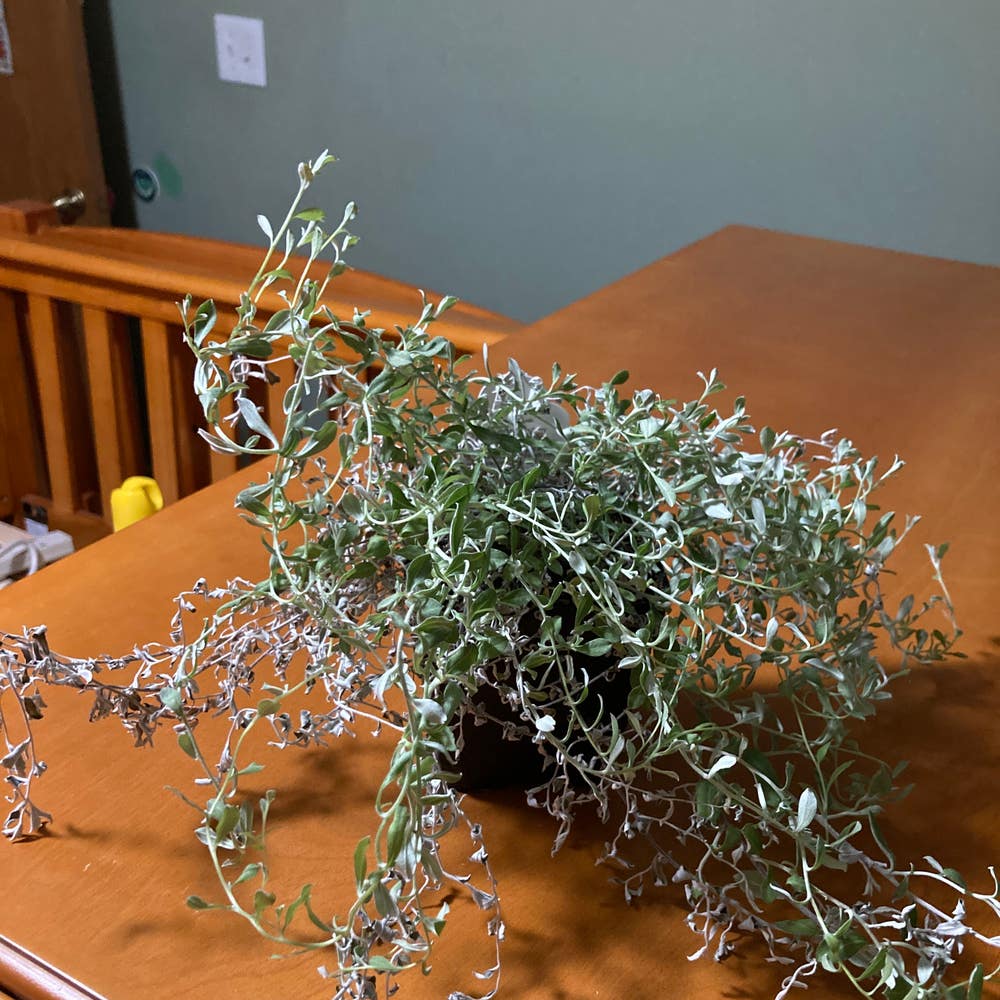
The curry plant typically grows at an average rate of approximately 30-60 cm per year under optimal conditions. This growth can be significantly accelerated with proper care, such as adequate watering and fertilization.
⏳ How Long Until Fully Grown?
It usually takes about 2-3 years for a curry plant to reach its full height, which can be up to 1 meter. However, this timeline can vary based on environmental conditions, such as sunlight and temperature.
Understanding these growth rates can help you set realistic expectations for your curry plant journey. With the right care, you can enjoy a thriving plant that enhances your garden and culinary experiences.
As we explore the notable changes throughout the life cycle of the curry plant, you'll see how each stage contributes to its overall growth and health.
Notable Changes Throughout the Life Cycle
🌱 Physical Changes at Each Growth Stage
The life cycle of a curry plant is marked by distinct physical transformations.
Germination kicks off with the emergence of the first leaves, signaling the plant's initial steps toward growth.
During the seedling stage, the focus shifts to developing a robust root system, which is crucial for stability and nutrient uptake.
As the plant enters the vegetative stage, it experiences a noticeable increase in height and leaf size, showcasing its vigorous growth.
Finally, in the flowering stage, small yellow flowers appear, leading to seed formation and the continuation of the plant's life cycle.
🌿 Changes in Plant Behavior or Health
The curry plant's growth patterns can vary significantly with the seasons.
During warmer months, you may notice an acceleration in growth, while cooler temperatures can slow things down.
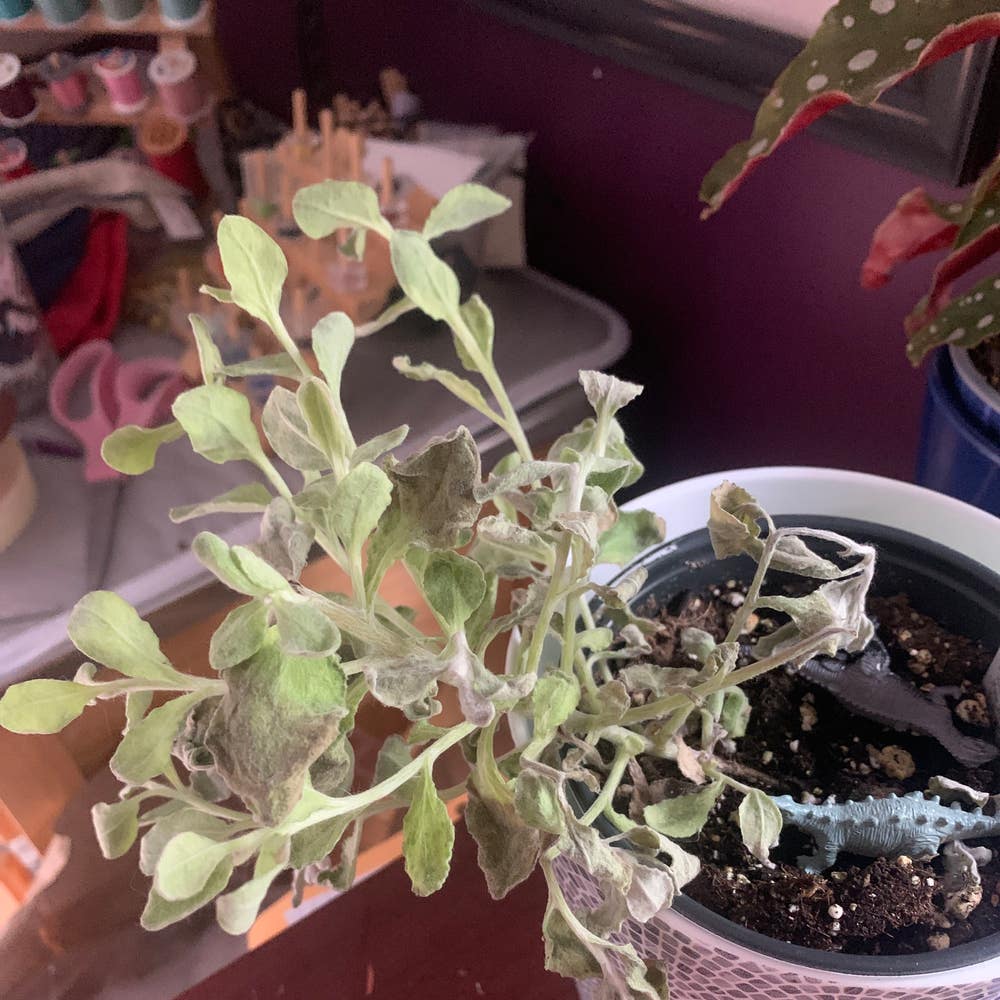
Leaf color and texture serve as vital health indicators. A deep green hue typically signifies a healthy plant, while yellowing leaves may indicate stress or nutrient deficiencies.
Moreover, the plant's response to care is evident. Proper watering and fertilization practices can dramatically enhance growth, making your curry plant thrive.
Understanding these changes not only enriches your gardening experience but also fosters a deeper connection with your plant.
As you observe these transformations, you'll be better equipped to nurture your curry plant through its various stages, ensuring a bountiful harvest in the future.
⚠️ Safety First
This content is for general information and may contain errors, omissions, or outdated details. It is not medical, veterinary advice, or an endorsement of therapeutic claims.
Always consult a qualified healthcare professional before using any plant as food, medicine, or supplement.
Never eat any plant (or feed one to pets) without confirming its identity with at least two trusted sources.
If you suspect poisoning, call Poison Control (800) 222-1222, the Pet Poison Helpline (800) 213-6680, or your local emergency service immediately.
Spotted an error? Please report it here.
Nurture your curry plant from germination to harvest with Greg's tailored care tips 🌿, ensuring it thrives at every growth stage for a bountiful yield!