👨🍳 Top 7 Companions for a Healthy Curry Plant Garden
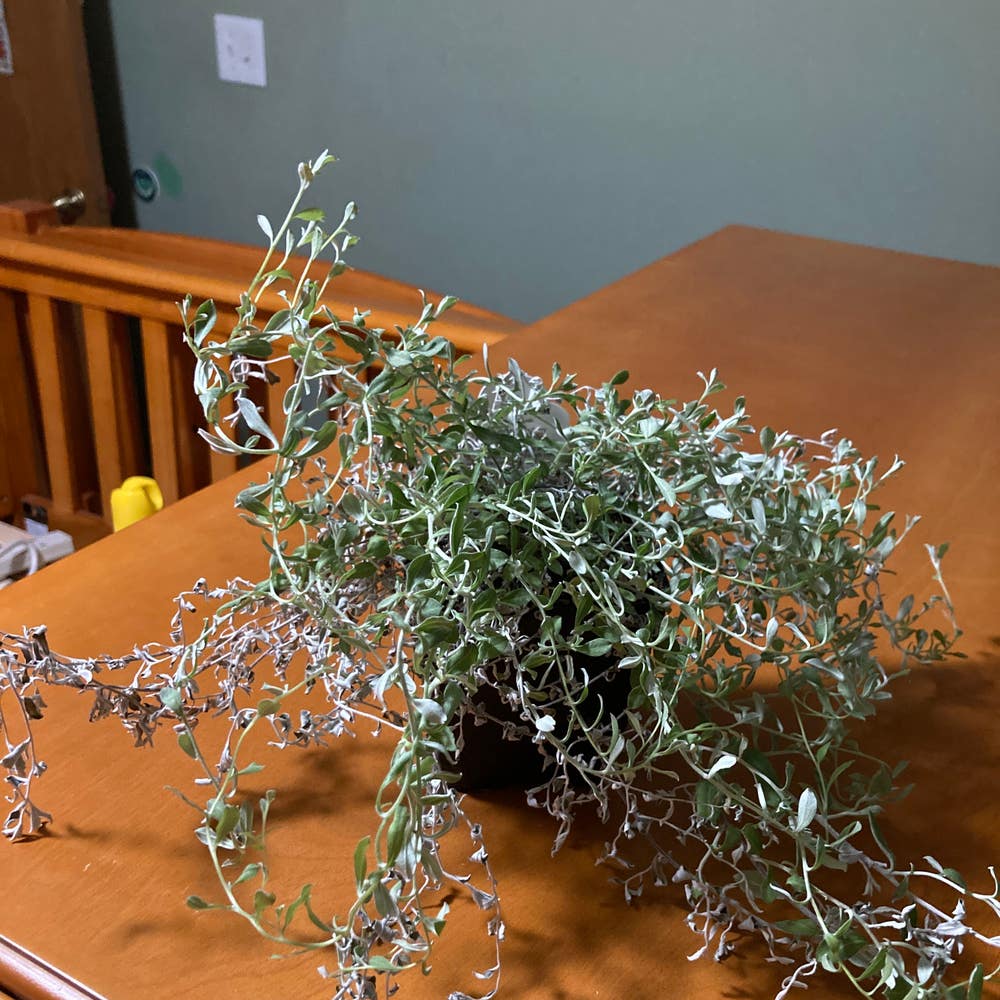
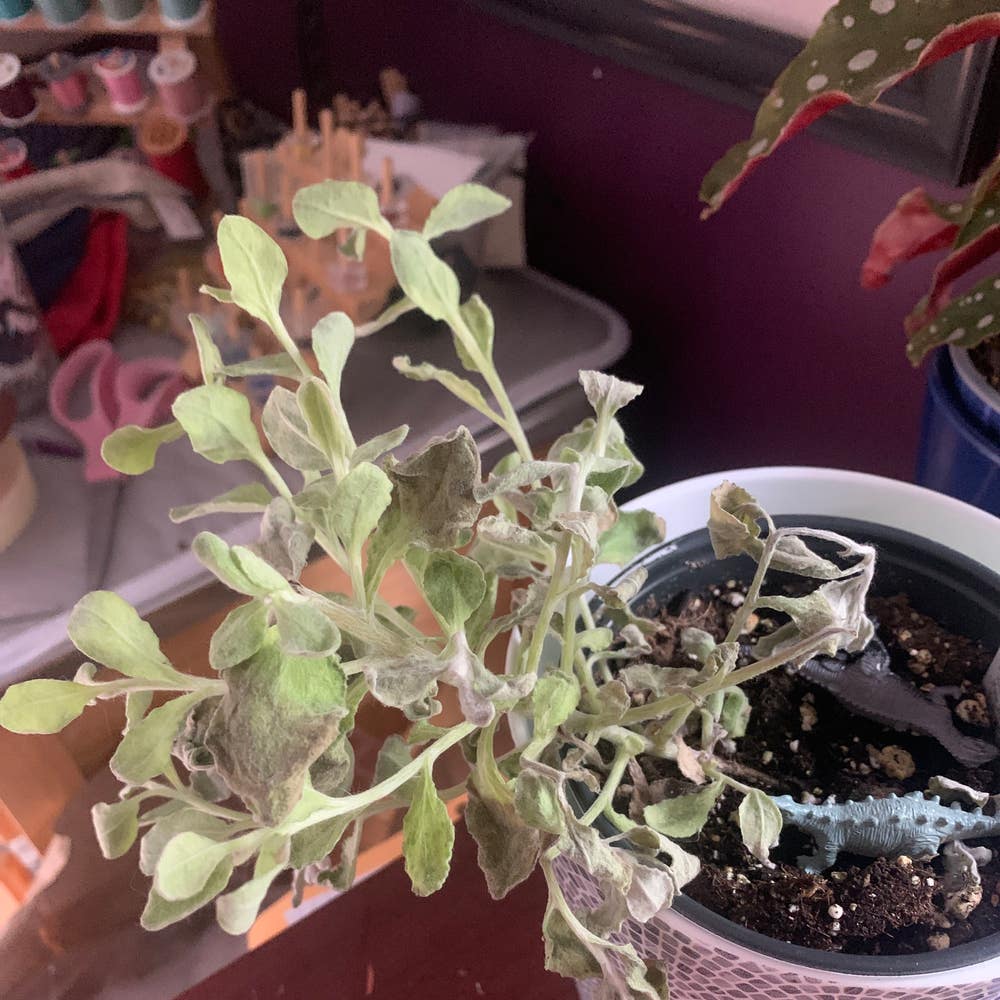
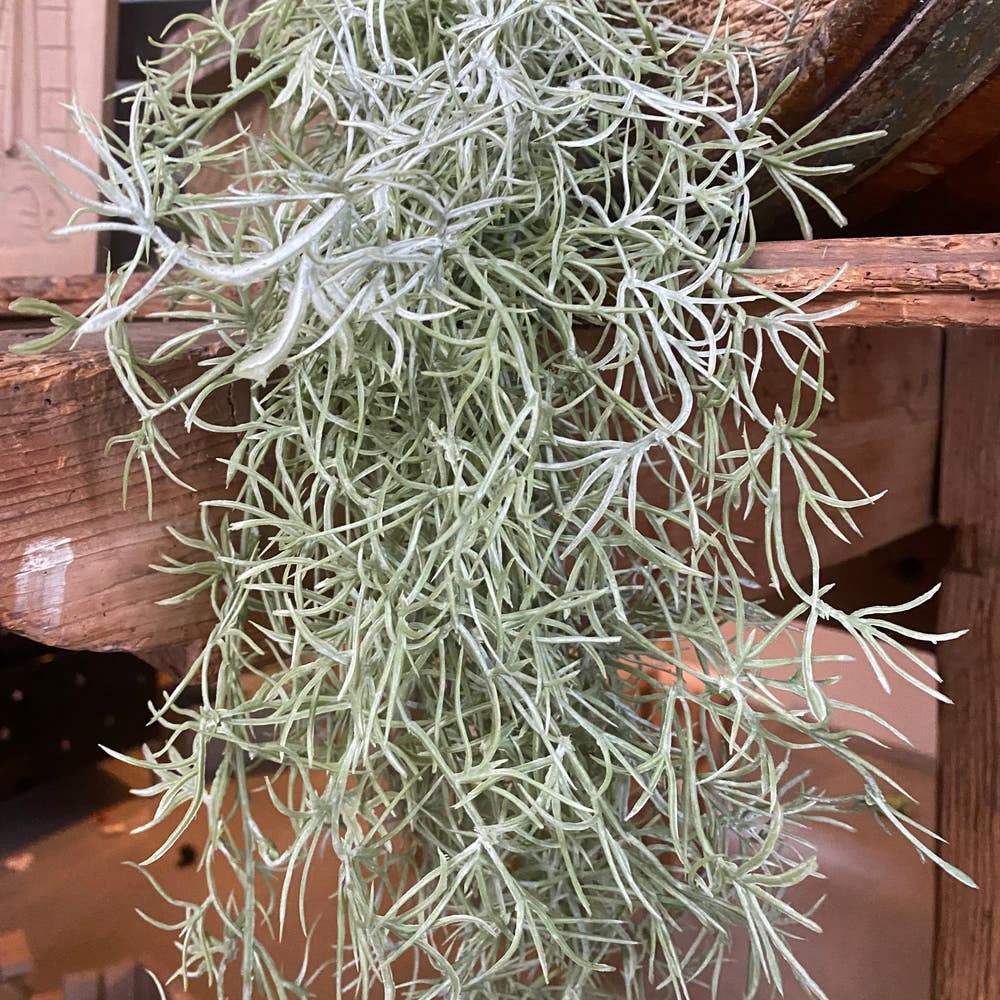
Helichrysum italicum
By the Greg Editorial Team
Oct 17, 2024•4 min read
This article was created with the help of AI so we can cover more plants for you. May contain errors. See one? Report it here.
Boost your garden's health 🌱 by pairing curry plants with top companion plants for natural pest control!
- 🌱 Basil, marigolds, and oregano are top companions, enhancing pest control and growth.
- 🐞 Diverse planting schemes confuse pests, promoting a healthier curry plant garden ecosystem.
- 🌼 Avoid fennel and rue; they inhibit curry plant growth and compete for resources.
Best Companion Plants for Curry Plant
🌿 Basil
Basil is a fantastic companion for your curry plant, thriving in well-drained soil and full sun, just like its neighbor. Its pest-repellent properties are a bonus; it effectively deters aphids and whiteflies, enhancing your garden's pest management.
🌼 Marigold
Marigolds are not only visually appealing with their bright, vibrant flowers, but they also play a crucial role in pest management. They emit compounds that repel nematodes and other harmful pests, making them a must-have in your garden.
🌱 Oregano
Oregano prefers dry, well-drained soil and full sun, aligning perfectly with the needs of the curry plant. Additionally, it attracts beneficial insects, drawing in pollinators and predatory insects that help control pest populations.
🌸 Thyme
Thyme complements the growing conditions of the curry plant, making it an ideal companion. Its aromatic properties can enhance the flavor of nearby culinary herbs, adding an extra layer of taste to your garden.
🧄 Chives
Chives are known for their strong scent, which deters aphids and other pests. They also share similar nutrient requirements with the curry plant, promoting healthy growth and a thriving garden ecosystem.
🌺 Nasturtium
Nasturtiums serve as a trap crop, attracting aphids away from the curry plant and protecting it from infestations. Their edible flowers not only add color but can also be used in culinary dishes, making them a delightful addition.
🌼 Borage
Borage is a powerhouse when it comes to attracting pollinators, drawing in bees and butterflies that enhance garden biodiversity. Its deep roots improve soil health by breaking up compacted soil and adding essential nutrients.
These companion plants not only support the health of your curry plant but also create a vibrant, diverse garden. Next, let’s explore which plants to avoid near your curry plant to ensure optimal growth and health.
Plants to Avoid Near Curry Plant
🌱 Fennel
Fennel is a plant you definitely want to keep at a distance from your curry plant. Its allelopathic properties release chemicals that inhibit the growth of nearby plants, which can stifle your curry plant's development.
Moreover, fennel is a fierce competitor for nutrients. It can easily outcompete your curry plant for essential resources, leaving it struggling to thrive.
🚫 Rue
Rue is another plant to steer clear of when cultivating a curry plant garden. This herb can potentially be toxic to your curry plant, inhibiting its growth and causing unnecessary stress.
Additionally, rue competes for resources, which can negatively impact the health of your curry plant. Keeping these two plants away will help ensure your garden flourishes without unnecessary competition.
By avoiding fennel and rue, you set the stage for a thriving curry plant garden. Next, let’s explore effective pest management strategies that can further enhance your garden's health.
Pest Management Strategies
How Companion Plants Deter Pests 🌱
Companion plants serve as natural repellents, helping to minimize pest populations in your garden. By strategically selecting plants that deter unwanted insects, you can create a healthier environment for your curry plant.
A diverse planting scheme confuses pests, making it harder for them to locate their preferred targets. This approach not only reduces infestations but also promotes a more vibrant ecosystem.
Creating a Balanced Ecosystem in the Garden 🌼
Encouraging beneficial insects is key to maintaining a balanced garden ecosystem. By planting species that attract pollinators and predatory insects, you can enhance natural pest control.
It's also essential to maintain plant compatibility. Choosing companions that thrive together promotes overall garden health, ensuring that all plants, including your curry plant, flourish.
With these strategies, you can cultivate a thriving garden that minimizes pests while maximizing beauty and productivity. Next, let’s explore how to arrange these companion plants for visual appeal and effective garden design.
Visual Appeal and Garden Design
Arranging Companion Plants for Aesthetic Value 🌼
Creating a visually appealing garden layout is essential for enhancing beauty and functionality. Start by considering the colors of your companion plants; vibrant hues can create a lively atmosphere while contrasting shades can add depth.
Height plays a crucial role in design. Taller plants can serve as a backdrop, while shorter ones can fill in the foreground. Mixing textures also adds interest; combine smooth leaves with fuzzy ones for a dynamic look.
Seasonal Considerations for Companion Planting 🌱
Timing is everything when it comes to planting. To maximize growth and visual impact, consider the seasons. For instance, spring is perfect for sowing fast-growing annuals that will bloom in summer.
Adjust your selections based on seasonal changes. Some plants thrive in cooler weather, while others prefer the heat. Keeping this in mind will ensure your garden remains vibrant year-round.
By thoughtfully arranging your companion plants and considering seasonal dynamics, you can create a garden that is not only functional but also a feast for the eyes. Next, let’s explore effective pest management strategies to keep your garden thriving.
⚠️ Safety First
This content is for general information and may contain errors, omissions, or outdated details. It is not medical, veterinary advice, or an endorsement of therapeutic claims.
Always consult a qualified healthcare professional before using any plant as food, medicine, or supplement.
Never eat any plant (or feed one to pets) without confirming its identity with at least two trusted sources.
If you suspect poisoning, call Poison Control (800) 222-1222, the Pet Poison Helpline (800) 213-6680, or your local emergency service immediately.
Spotted an error? Please report it here.
Transform your curry plant garden into a pest-free paradise 🌿 with companion plants like basil and marigolds, and let Greg guide you with tailored care tips to ensure your garden thrives!