Diagnosing Curry Plant Root Rot
Helichrysum italicum
By the Greg Editorial Team
Feb 02, 2024•4 min read
This article was created with the help of AI so we can cover more plants for you. May contain errors. See one? Report it here.
Rescue your curry plant 🌿 from root rot's grip with this life-saving diagnosis and treatment guide.
- Yellow leaves and wilting signal potential root rot in curry plants.
- Inspect roots gently for mushy, discolored signs of decay.
- Prevent with proper watering and soil amendments like perlite.
Spotting the Red Flags: Symptoms of Root Rot
💛 Yellowing Leaves and Wilting
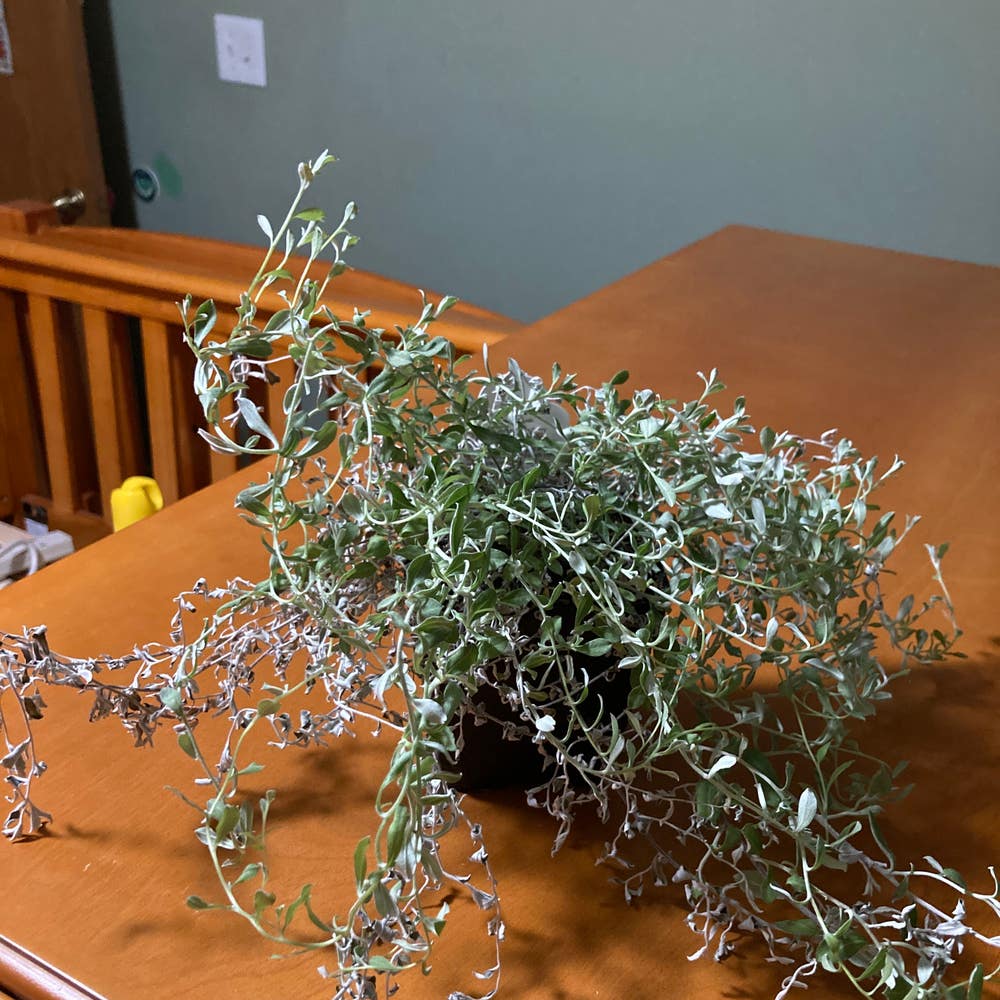
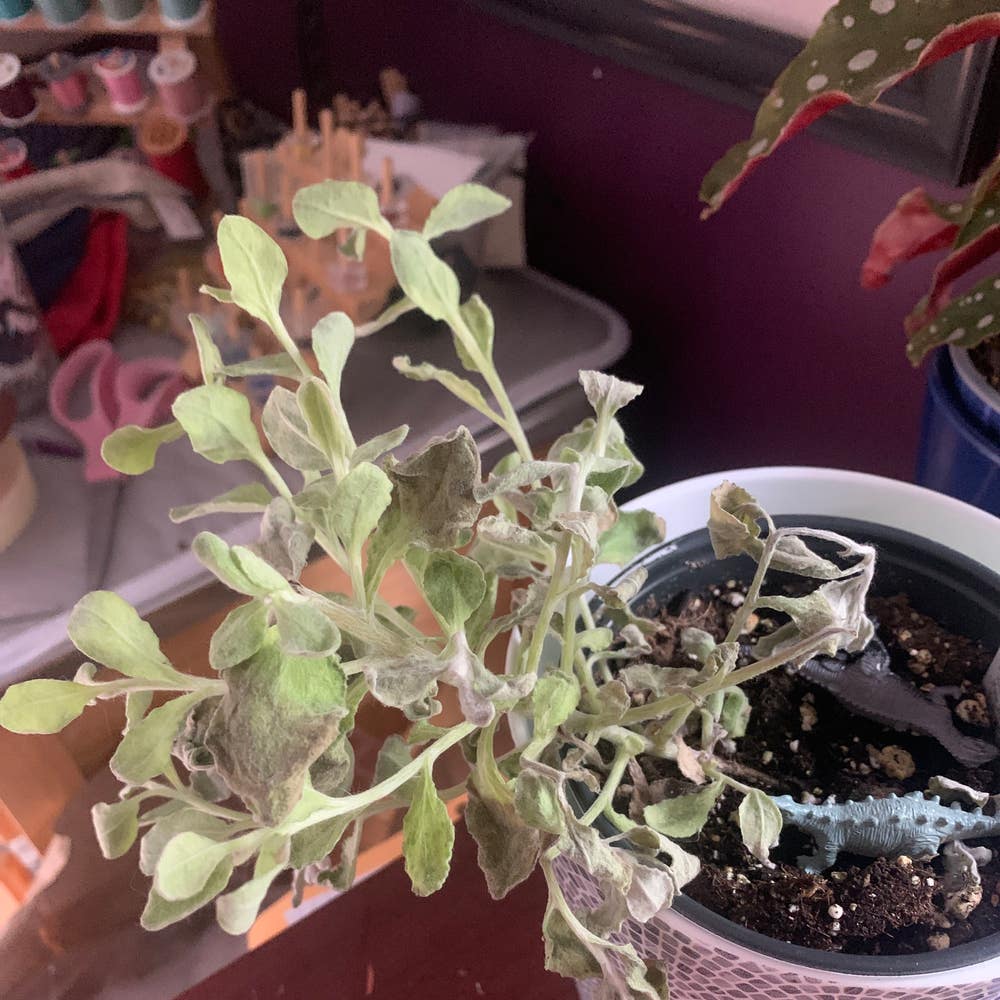
Yellowing leaves are the plant's version of a distress signal. If your curry plant's leaves are losing their vibrant green, it's time to sit up and take notice. Wilting is another red flag; it's not just a bad day for your plant, it's a symptom that demands immediate attention.
🌱 Stunted Growth and Poor Health
When your curry plant's growth hits a wall, it's a subtle yet clear indication that all is not well beneath the soil. A plant that's not thriving is a plant that's crying out for help.
🕵️ Investigating the Roots
Get down and dirty with your plant's roots. Healthy roots should be firm and white, but if you're seeing mushy, brown, or blackened roots, you're looking at the grim reaper of plant health: root rot.
👃 Sniff Test
Trust your nose on this one. A foul odor emanating from the soil is like a silent scream from your plant's roots. If it smells like something died in the pot, root rot is likely the culprit.
Unearthing the Problem: Examining the Root System
🌱 How to Safely Inspect Curry Plant Roots
Gently remove your curry plant from its pot, like defusing a bomb. Shake off excess soil with care, avoiding root disturbance. This is not a time for rough hands.
🚨 Recognizing the Signs: Mushy, Brown, or Blackened Roots
Spotting mushy roots is like finding spoiled fruit in your fridge—unmistakably bad. Brown or black hues signal distress, a clear cry for help from the underground.
🌧️ Assessing Soil Moisture and Drainage Issues
Feel the soil. If it's as wet as a drowned rat, you've got drainage drama. The soil should be moist but not soggy—think of a well-wrung sponge, not a swamp.
The Rescue Operation: Treating Root Rot in Curry Plant
💧 Adjusting Watering Habits
Overwatering is the arch-nemesis of the Curry Plant's roots. To thwart root rot, water only when the soil's top layer feels like a dry debate—parched and in need of refreshment. This means checking the soil moisture before giving your plant a drink, not just following a calendar.
🌱 Soil Amendments and Repotting
If your Curry Plant's roots are gasping for air, it's time for a soil intervention. Mix in perlite or sand to improve drainage—think of it as adding bubbles to a bath, but for roots. When repotting, choose a container that's the Goldilocks of pots—not too big, not too small, and with drainage holes that say "exit only" to excess water.
✂️ Trimming the Damage
Grab your sterilized scissors—it's time for a root haircut. Snip away the mushy, discolored roots like you're editing a bloated paragraph. Remember, only the firm, white roots get to stay in the pot.
🦠 Fungicidal Allies
Sometimes, roots need a chemical pep talk. Apply a fungicide to rally the remaining roots against any lingering fungal loiterers. Post-treatment, keep a watchful eye on your plant as if it's the last cookie in the jar—precious and in need of protection.
Keeping the Ground Safe: Preventative Measures for the Future
💧 Watering Wisdom: Balancing Moisture Levels
Overwatering is the nemesis of healthy roots. To prevent root rot, water only when the topsoil feels dry. A simple touch test can save your curry plant from a watery grave. Remember, less is often more when it comes to hydration.
🌱 Selecting the Right Soil Mix
Choosing a well-draining soil mix is like picking the right foundation for a house—it's crucial. Your curry plant's roots need air as much as they need water. Amend your soil with perlite or sand to improve drainage and prevent waterlogging.
🌿 Maintaining the Soil
Regularly refresh your plant's soil to prevent compaction and degradation. A soil that's alive with beneficial microbes is a soil that breathes and drains well. Consider adding compost to enrich the soil, but don't overdo it—too much of a good thing can lead to trouble.
🦠 Quarantine and Sanitation
New plants should be quarantined. It's not unfriendly; it's smart gardening. This step helps prevent the spread of unseen pests or diseases. Also, clean your tools with alcohol or bleach before and after use to avoid introducing pathogens to your plant.
🌿 Embracing Cultural Practices
Spacing is key. Crowded plants create a haven for diseases. Ensure your curry plant has room to flaunt its leaves. This not only looks better but also promotes better air circulation, which is essential for preventing fungal diseases.
🕵️♂️ Post-Treatment Vigilance
After you've treated root rot, don't just hope for the best. Monitor your plant's recovery actively. New growth should be healthy and robust. If problems reappear, reassess your care routine—it might need some fine-tuning.
⚠️ Safety First
This content is for general information and may contain errors, omissions, or outdated details. It is not medical, veterinary advice, or an endorsement of therapeutic claims.
Always consult a qualified healthcare professional before using any plant as food, medicine, or supplement.
Never eat any plant (or feed one to pets) without confirming its identity with at least two trusted sources.
If you suspect poisoning, call Poison Control (800) 222-1222, the Pet Poison Helpline (800) 213-6680, or your local emergency service immediately.
Spotted an error? Please report it here.
Prevent root rot and revive your curry plant with Greg's 🌱 custom care plans, ensuring your green buddy thrives with just the right touch of water and soil health.