Why Are My Curry Plant Leaves Dropping?
Helichrysum italicum
By the Greg Editorial Team
Jun 18, 2024•3 min read
This article was created with the help of AI so we can cover more plants for you. May contain errors. See one? Report it here.
Prevent curry plant despair 🌿 by tackling leaf drop with our life-saving care guide!
- Overwatering and underwatering both lead to leaf drop; balance is key.
- 🌡️🌧️ Environmental stress affects leaves; maintain consistent conditions.
- 🐛 Combat pests with insecticidal soap, neem oil, or natural predators.
Pinpointing the Culprits Behind Leaf Drop
💧 Overwatering and Its Consequences
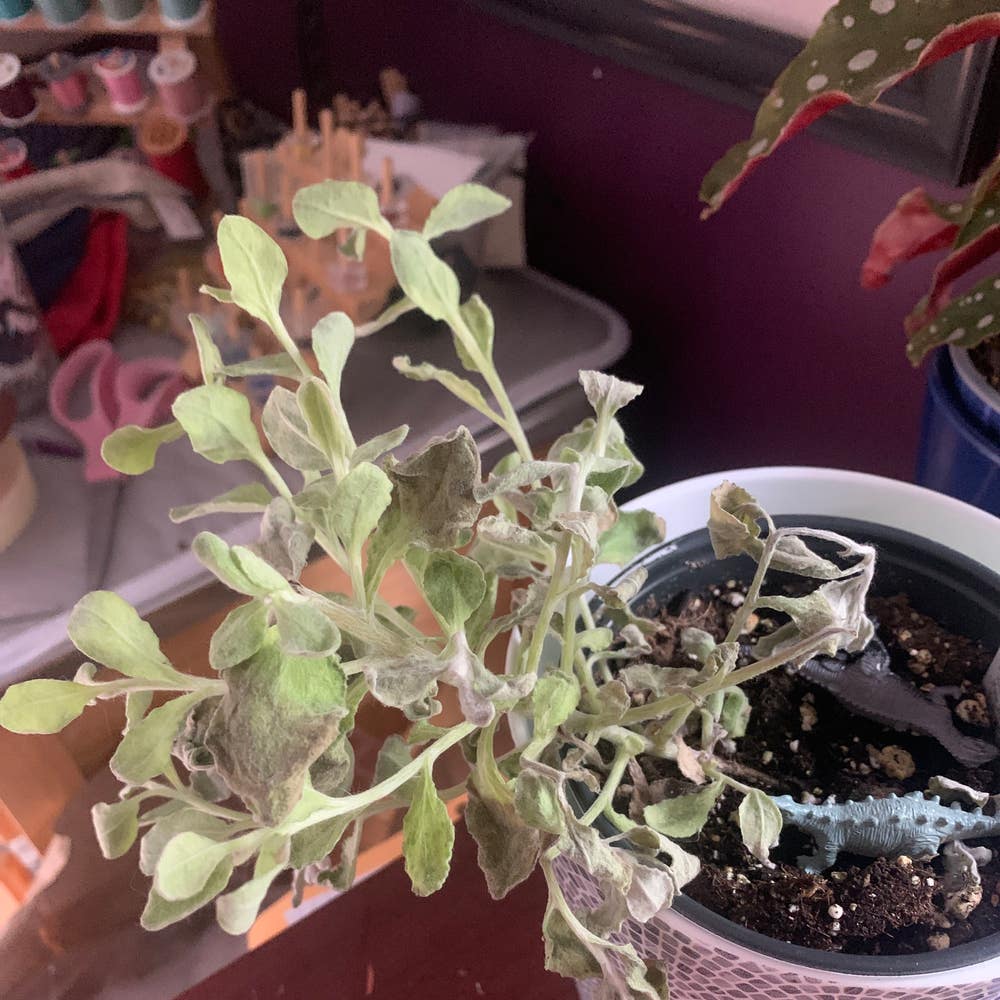
Wilting leaves with wet soil scream overwatering. If your Curry Plant's leaves are dropping, it's likely you've been too generous with water. Soft, limp leaves are a cry for less hydration.
Signs of Overwatering
- Wilting despite wet soil
- Leaves soft and limp
- Yellowing or browning leaves
Steps to Rescue an Overwatered Curry Plant
- Reduce watering immediately.
- Enhance airflow and ensure good drainage.
- Allow soil to dry between watering sessions.
- Trim any rotten roots if necessary.
💦 The Thirsty Plant: Underwatering Issues
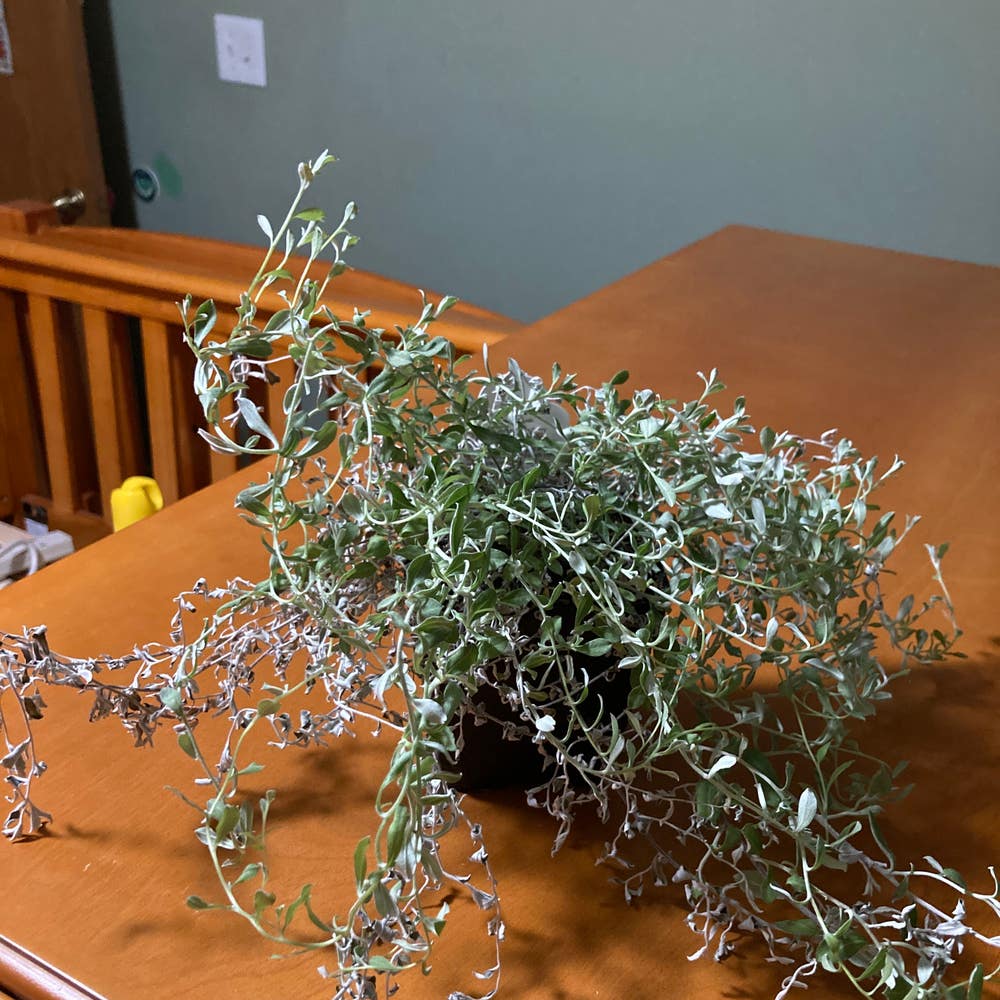
Curry Plants with crispy leaves might be underwatered. If the soil feels like a desert, it's time to quench your plant's thirst.
How to Tell if Underwatered
- Leaves drooping and drying
- Soil dry to the touch
Balancing the Watering Regimen
- Water only when the top inch of soil is dry.
- Aim for consistent soil moisture, like a wrung-out sponge.
🌦 Weathering the Storm: Environmental Stress
Temperature and humidity swings can cause leaf drop. Your Curry Plant prefers a stable, cozy environment.
Identifying Environmental Stress
- Sudden temperature changes
- Incorrect humidity levels
Adjusting Your Plant's Environment
- Maintain a consistent temperature range.
- Use a humidifier or dehumidifier to regulate humidity.

Battling the Bugs: Pest-Related Leaf Drop
🐛 Common Curry Plant Pests
Curry plants can become all-you-can-eat buffets for pests like mealybugs, aphids, and spider mites. These uninvited guests suck the sap from leaves, leaving them yellowed and lifeless before they drop. Spotting these pests early is crucial; look for sticky residue, or a fine, spider-like webbing between the leaves.
🛡️ Winning the War on Pests
To defend your curry plant, start with insecticidal soap or neem oil. These treatments are like the bouncers at the club, showing pests the door. Apply thoroughly, especially under the leaves, and repeat as necessary. If you prefer a more natural approach, introduce predators like ladybugs into your garden. They're not just cute; they're carnivorous when it comes to aphids. Prevent future invasions by keeping your plant clean and pruning any leaves that seem to be past their prime. Remember, a clean plant is a happy plant.

Nurturing Your Curry Plant Back to Health
💪 Reviving the Roots
Root health is pivotal for a curry plant's comeback. If you're dealing with soggy, sad roots, it's time to take action. Repotting is your first move. Choose a pot with ample drainage and a fresh, well-draining potting mix. Think of it as a spa retreat for your plant's roots. After repotting, water sparingly until you see new growth, signaling that the roots are getting their groove back.
🏡 Creating a Stable Home Environment
Consistency is key. Your curry plant craves a stable environment like a cat basking in a sunbeam. Ensure it's placed where temperatures are steady and gentle breezes don't turn into gale-force winds. Bright, indirect light is the sweet spot for these leafy friends. And remember, the watering can is not a toy—use it wisely. Check the soil's moisture level before giving your plant a drink to avoid the dreaded root rot. Keep an eye on the humidity too; these plants don't enjoy drying out like a raisin. Regular pruning will keep your curry plant in top shape, encouraging new growth and preventing it from becoming a wild, unruly mess.

⚠️ Safety First
This content is for general information and may contain errors, omissions, or outdated details. It is not medical, veterinary advice, or an endorsement of therapeutic claims.
Always consult a qualified healthcare professional before using any plant as food, medicine, or supplement.
Never eat any plant (or feed one to pets) without confirming its identity with at least two trusted sources.
If you suspect poisoning, call Poison Control (800) 222-1222, the Pet Poison Helpline (800) 213-6680, or your local emergency service immediately.
Spotted an error? Please report it here.
Nurture your Curry Plant back to health with the right balance of water and care, and let Greg 🌱 provide the precise reminders and tips you need for leafy success.