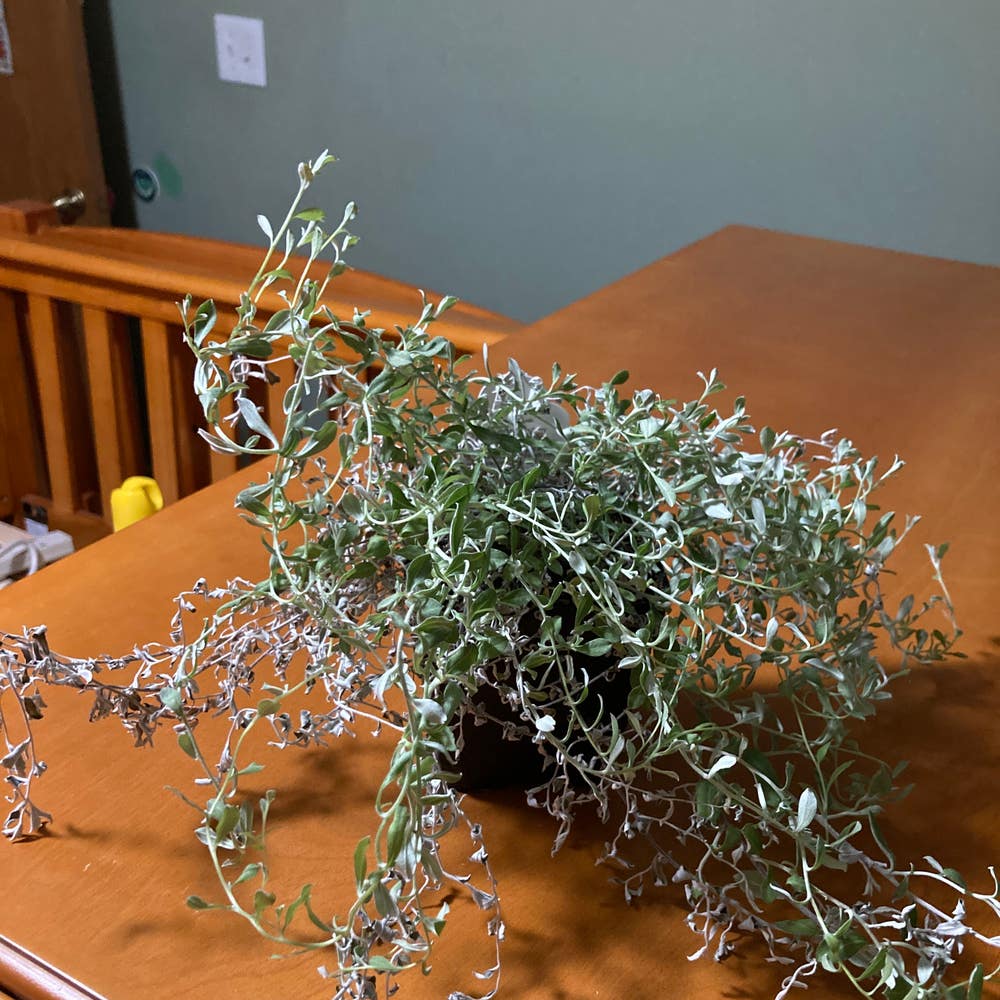
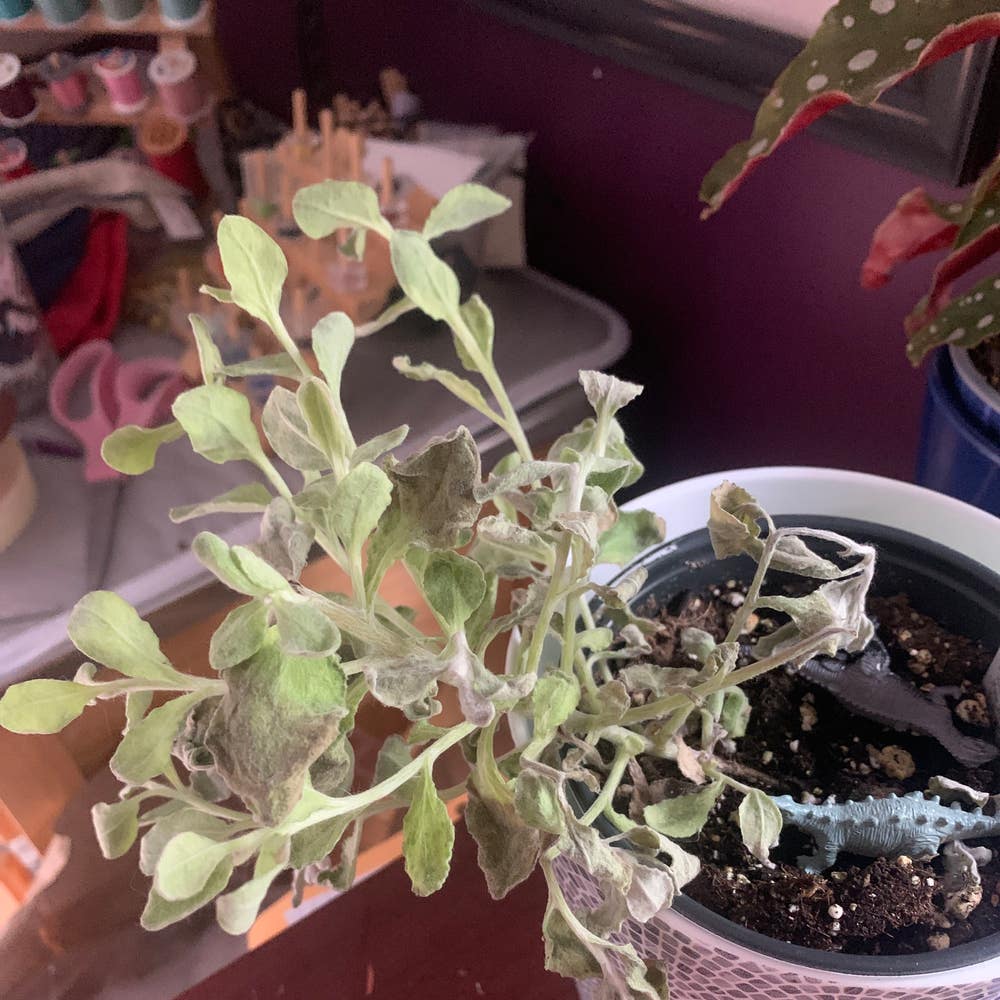
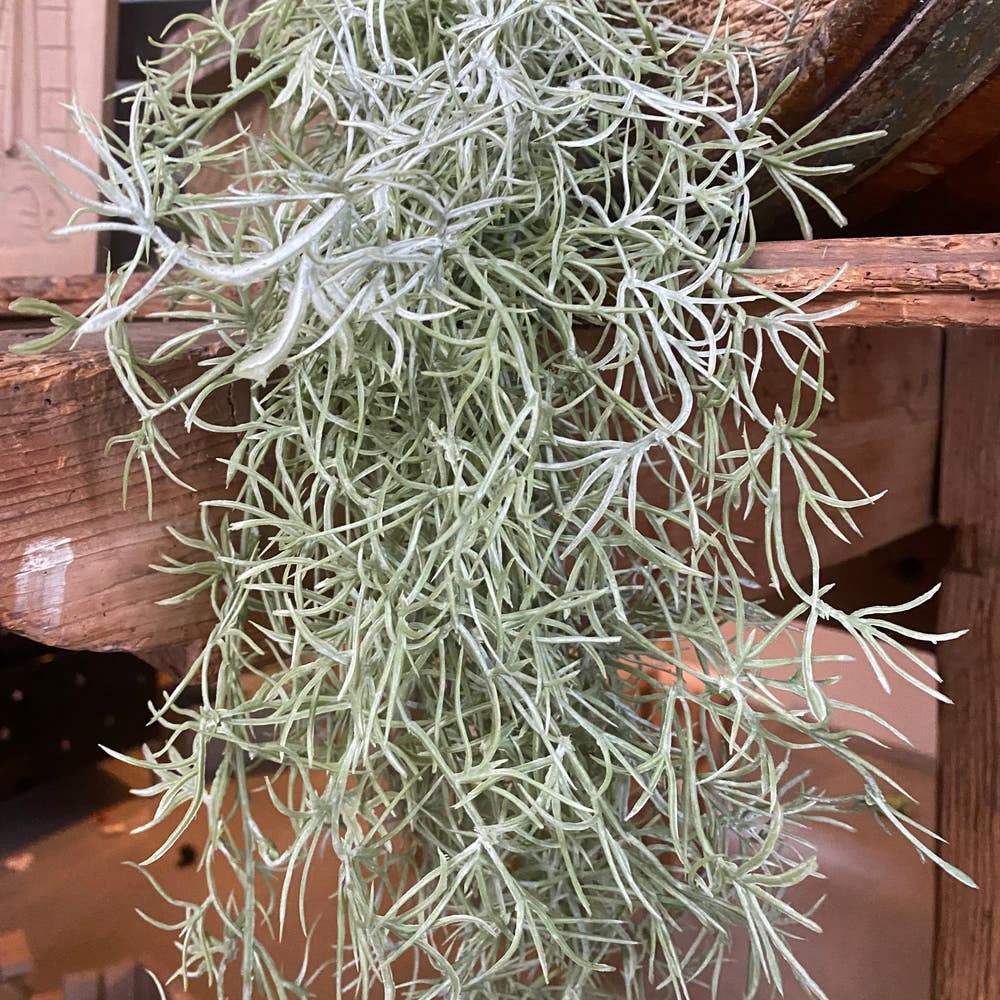
⚠️ Why Does My Curry Plant Have Yellow Leaves?
Helichrysum italicum
By the Greg Editorial Team
Jun 18, 2024•3 min read
This article was created with the help of AI so we can cover more plants for you. May contain errors. See one? Report it here.
Banish yellow leaves and ensure your Curry Plant thrives with key care tweaks! 🌿🔍
- 💧 Over/underwatering causes yellow leaves; water when top inch of soil is dry.
- ☀️ Bright, indirect light and stable temps are key to green foliage.
- 🌱 Address nutrient deficiencies with balanced fertilizer. Conduct soil tests.
Pinpointing the Culprits Behind Yellow Leaves
🚰 Over or Underwatering Woes
Signs of Water Stress
Overwatering can turn your Curry Plant's leaves a sickly yellow, with the soil feeling like a saturated sponge. Conversely, underwatering leaves them dry and crispy, with soil as parched as a desert.
Watering Balance
Striking the perfect balance involves watering when the top inch of soil is dry. Ensure good drainage to avoid waterlogged roots, which can be fatal.
🌞 Light and Temperature: Finding the Sweet Spot
Light Deprivation or Temperature Stress
Yellow leaves might signal your Curry Plant is craving more light or is stressed by incorrect temperatures. Leaves can become pale and weak if they're not getting enough light, or scorched if they're getting too much.
Adjusting the Environment
To remedy this, adjust your plant's position to a spot with bright, indirect light and stable temperatures. This can help restore the vibrant green color of the foliage.
🍽️ Nutrient Deficiencies: Spotting and Solving
Identifying Nutrient Shortages
Nutrient deficiencies manifest in the leaves, with nitrogen shortage often turning leaves yellow. A soil test can pinpoint what's missing in your plant's diet.
Choosing the Right Fertilizer
Select a balanced fertilizer with nitrogen, phosphorus, and potassium (N-P-K) to address deficiencies. But remember, moderation is key—over-fertilizing can harm your plant as much as starving it.

Turning Over a New Leaf: Remedies in Action
💧 Watering Wisdom: Getting It Just Right
Watering your Curry Plant isn't rocket science, but it does require attention to detail. Check the soil before you water—dryness two inches down means it's time to drink up. Overwatering leads to a soggy mess, while underwatering leaves your plant parched. Aim for a happy medium: water deeply, then let the soil dry out a bit.
🌞 Light and Temperature Tweaks
Curry Plants are like Goldilocks; they prefer conditions that are just right. Bright, indirect light is their jam, and they're not fans of the scorching midday sun. Keep them in a spot that's warm but not hot, and steer clear of chilly drafts. Think comfortable living room, not a sauna or an igloo.
🍽️ Nutrient Boost: Fertilizer Fixes
Yellow leaves can scream "Feed me!" but don't go overboard. Use a balanced fertilizer sparingly to avoid nutrient overload. Apply it when the soil is moist to prevent root burn. Remember, it's a supplement, not a main course—your plant's health depends on it.

Keeping the Green: Preventive Practices
💧 Consistent Care: Watering and Feeding Schedules
Creating a care calendar is essential for the well-being of your Curry Plant. Just like you wouldn't leave your hydration to chance, your plant's thirst shouldn't be a guessing game. Watering should be as regular as your favorite TV show's weekly episode, and fertilizing should be on your calendar like a recurring work meeting.
🌱 Year-Round Comfort: Adapting to Seasons
As seasons shift, so do the needs of your Curry Plant. Think of it as your plant's wardrobe—lightweight in summer, insulated in winter. Adjust your watering to match the plant's slower winter growth, and ensure it gets enough light without the scorching summer sun. Remember, your plant doesn't have the luxury of complaining about the weather—it relies on you to read the room, or in this case, the air.

⚠️ Safety First
This content is for general information and may contain errors, omissions, or outdated details. It is not medical, veterinary advice, or an endorsement of therapeutic claims.
Always consult a qualified healthcare professional before using any plant as food, medicine, or supplement.
Never eat any plant (or feed one to pets) without confirming its identity with at least two trusted sources.
If you suspect poisoning, call Poison Control (800) 222-1222, the Pet Poison Helpline (800) 213-6680, or your local emergency service immediately.
Spotted an error? Please report it here.
Ensure your Curry Plant's leaves stay lusciously green by using Greg's custom watering plan 🌿 and light metering to prevent yellowing from care missteps.