Curry Plant: Not an Annual 🍛
Helichrysum italicum
By the Greg Editorial Team
Oct 17, 2024•4 min read
This article was created with the help of AI so we can cover more plants for you. May contain errors. See one? Report it here.
Transform your garden with the resilient curry plant, a vibrant perennial that thrives for years! 🌱
- 🌱 Curry plant is a perennial, thriving for years with proper care and conditions.
- 🌼 It flowers multiple times, enhancing garden vibrancy from late summer to fall.
- 💧 Avoid overwatering; well-drained soil is crucial for its long-term health.
Genetic and Physiological Characteristics
Long-term Lifecycle 🌱
The curry plant boasts a remarkable lifespan, often living for several years and frequently exceeding five. It exhibits seasonal growth patterns, entering a state of dormancy during winter and thriving in the warmer months.
Growth Patterns 🌿
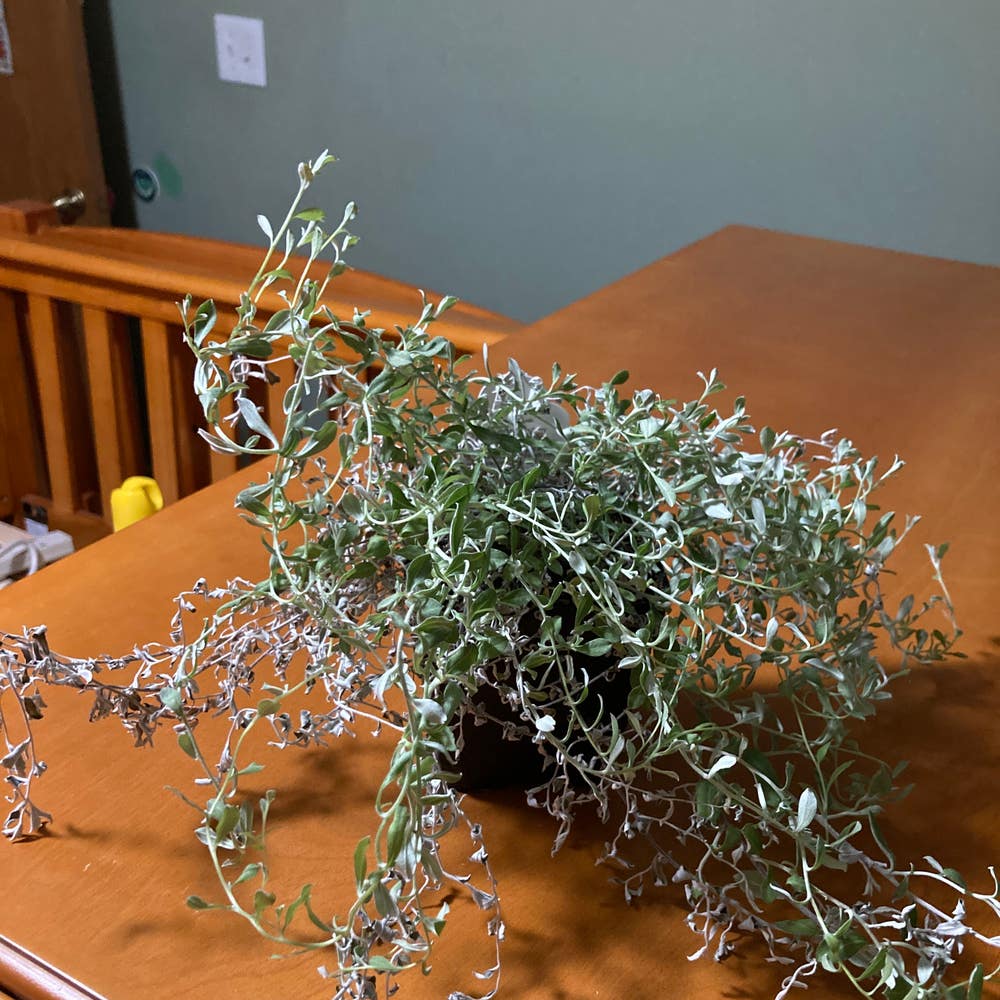
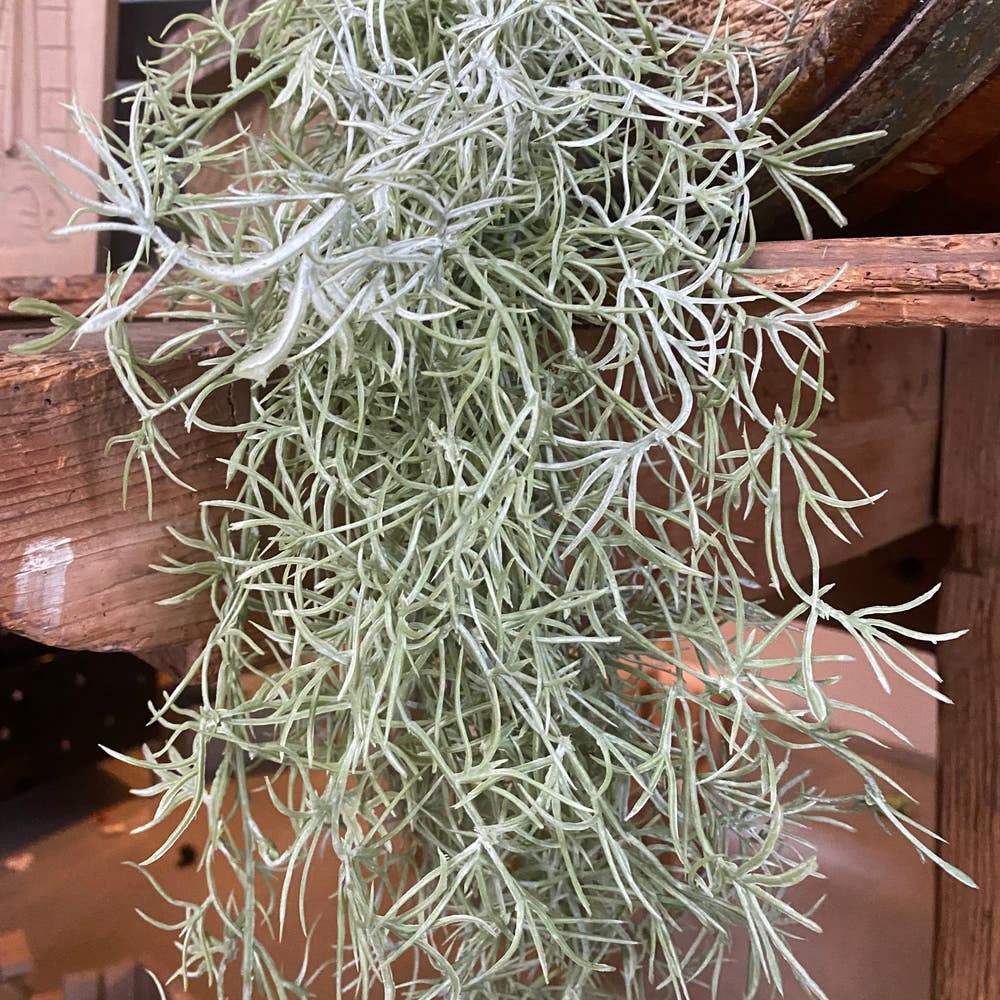
This plant features woody stems that develop gradually over time, giving it a robust structure. Leaf production is continuous throughout the growing season, ensuring a lush appearance.
Reproductive Strategies 🌼
Flowering typically occurs in late summer to early fall, adding vibrant color to your garden. The curry plant is also capable of producing seeds annually, reinforcing its status as a perennial.
Understanding these genetic and physiological characteristics is essential for anyone looking to cultivate this unique plant. With its long lifespan and continuous growth, the curry plant can be a delightful addition to your garden, providing both beauty and utility.
Next, we’ll explore how the lifecycle of the curry plant compares to that of true annuals.
Lifecycle Comparison: Curry Plant vs. True Annuals
Differences in Lifespan 🌱
The Curry Plant is a perennial, thriving for multiple years, while true annuals complete their lifecycle in just one season. This longevity allows the Curry Plant to flower multiple times throughout its life, unlike annuals that typically bloom only once.
Implications of Perennial Lifecycle 🌼
With an extended flowering period, the Curry Plant enjoys more opportunities for pollination and seed production. Additionally, its ability to store energy for future growth cycles makes it a resilient choice for gardeners seeking long-term beauty and functionality.
The differences between the Curry Plant and true annuals highlight the benefits of incorporating perennials into your garden. As we explore regional variations and misconceptions, you'll gain further insights into how to best care for this unique plant.
Regional Variations and Misconceptions
🌦️ Conditions Leading to Misclassification
The Curry Plant can often be misclassified due to its response to climate. In colder regions, it may die back during winter, which can mislead gardeners into thinking it’s an annual.
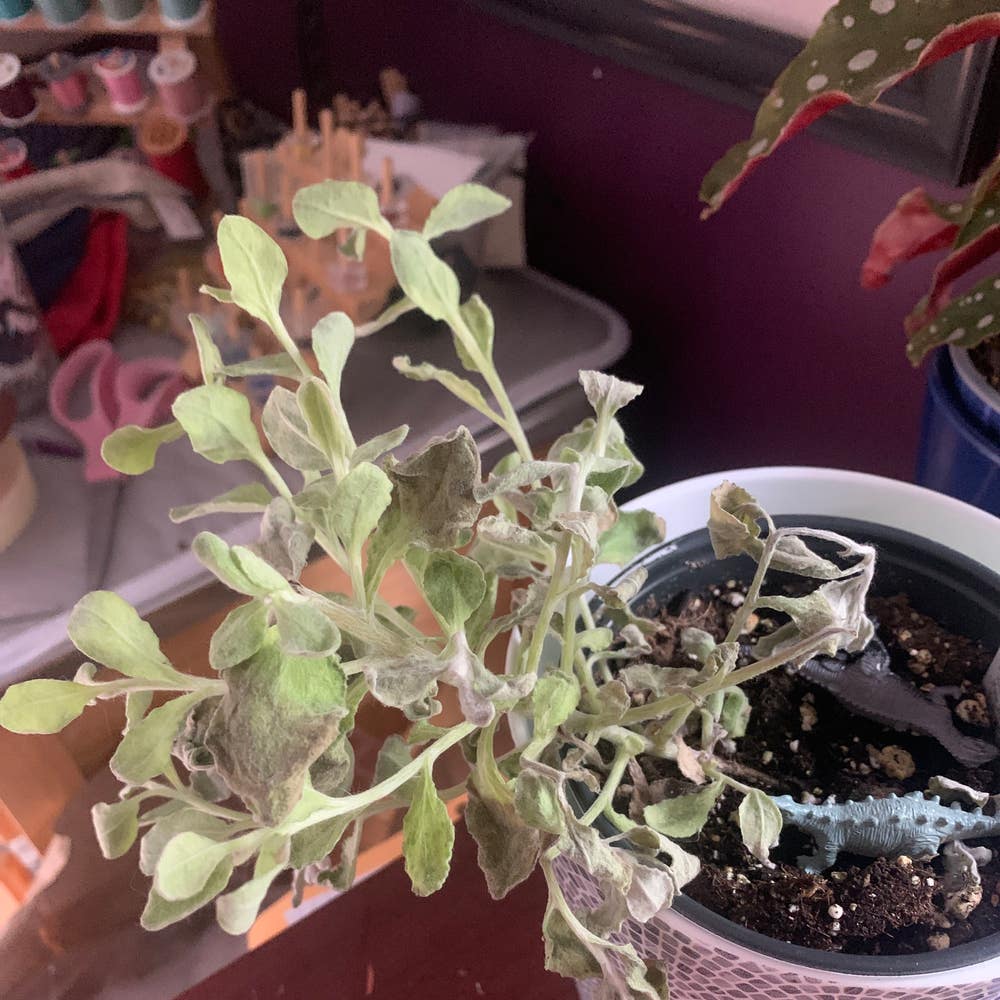
Care practices also play a significant role in this confusion. Overwatering or poor drainage can mimic the behavior of annuals, leading to premature die-off and misinterpretation of the plant's true nature.
🧐 Exceptions in Treatment
Many gardeners mistakenly treat the Curry Plant as an annual due to environmental stress. This often stems from a lack of understanding of its hardiness and specific growth requirements.
Misunderstandings about how to care for the Curry Plant can lead to its untimely demise. Recognizing its perennial qualities can help gardeners appreciate its longevity and unique growth patterns.
Understanding these nuances can transform your gardening experience, allowing you to cultivate this resilient plant effectively.
Garden Design Implications
🌱 Advantages in Perennial Design
Incorporating the Curry Plant into your garden is a smart long-term investment. Once established, it requires less frequent replanting compared to annuals, saving you time and effort.
The aesthetic appeal of the Curry Plant is undeniable. Its lush greenery provides structure and vibrancy to your garden throughout the year, making it a standout feature in any landscape.
📈 Planning for Long-term Growth
When designing your garden, consider how to integrate the Curry Plant into mixed perennial beds. Its unique characteristics can complement a variety of other plants, enhancing the overall visual impact.
Don’t forget to plan for seasonal interest. By understanding the Curry Plant's flowering times and foliage changes, you can create a dynamic garden that evolves beautifully with each season.
With these considerations, your garden can thrive, showcasing the Curry Plant's perennial nature while offering a feast for the eyes year-round.
Management Tips for Longevity
🌱 Maximizing Longevity
To ensure your curry plant thrives, start with the right soil. Well-drained, sandy soils are essential to prevent root rot, which can be detrimental to its health.
Watering practices also play a crucial role. Allow the soil to dry between watering sessions to mimic its natural growing conditions and promote robust root development.
✂️ Best Practices
Regular pruning is key to encouraging bushier growth. By trimming back your curry plant, you stimulate new shoots and enhance its overall appearance.
Fertilization is another important aspect. Use balanced fertilizers during the growing season to support healthy growth and vibrant foliage, ensuring your plant remains a standout in your garden.
With these management tips, your curry plant can flourish, providing beauty and utility for years to come. Next, let’s explore the advantages of incorporating it into your garden design.
⚠️ Safety First
This content is for general information and may contain errors, omissions, or outdated details. It is not medical, veterinary advice, or an endorsement of therapeutic claims.
Always consult a qualified healthcare professional before using any plant as food, medicine, or supplement.
Never eat any plant (or feed one to pets) without confirming its identity with at least two trusted sources.
If you suspect poisoning, call Poison Control (800) 222-1222, the Pet Poison Helpline (800) 213-6680, or your local emergency service immediately.
Spotted an error? Please report it here.
Cultivate the perennial charm of the curry plant 🌱 with Greg's personalized care reminders, ensuring it flourishes beautifully in your garden for years to come!