🌿 How to Plant Your Curry Plant
Helichrysum italicum
By the Greg Editorial Team
Oct 17, 2024•5 min read
This article was created with the help of AI so we can cover more plants for you. May contain errors. See one? Report it here.
Unlock your garden's potential by mastering planting vs. transplanting for a thriving harvest! 🌱
- 🌱 Plant seeds in spring for optimal growth after the last frost.
- 💧 Use well-draining soil and water consistently to prevent transplant shock.
- 🌞 Curry plants need 6-8 hours of sunlight daily for healthy development.
Benefits and Drawbacks of Planting vs. Transplanting
💰 Cost Considerations
When deciding between planting new seeds or transplanting established plants, cost is a key factor. Planting new seeds or seedlings typically has a lower initial cost, making it an attractive option for budget-conscious gardeners.
On the other hand, transplanting established plants may incur additional costs. You might need soil amendments and tools, which can add up quickly.
⏳ Time to Maturity
Time to maturity is another important consideration. New plants often take longer to mature and produce leaves, requiring patience and care.
In contrast, established plants can yield results more quickly due to their developed root systems. This can be particularly beneficial if you're eager for a harvest.
🌱 Adaptability to Local Growing Conditions
Adaptability plays a crucial role in your gardening success. New plants may require more time to acclimate to local conditions, which can be a challenge for novice gardeners.
Established plants, however, are often better suited to local growing conditions if they’ve been previously cultivated in the area. This can lead to a more robust and resilient garden overall.
In summary, both planting and transplanting have their unique benefits and drawbacks. Understanding these factors will help you make an informed decision that aligns with your gardening goals. Next, let’s explore the specifics of planting new curry plants.
Planting New Curry Plant
Optimal Timing for Planting Based on Growth Cycle 🌱
The best time to plant your curry plant is in the spring, right after the last frost. This herb thrives in warm temperatures, ideally between 20°C to 30°C (68°F to 86°F), making spring the perfect season for planting.
Selecting the Right Soil Mix and Containers 🪴
For optimal growth, use a well-draining, fertile loam with a pH between 6.0 and 7.5. If you're container gardening, choose pots with drainage holes, ensuring they are at least 12 inches in diameter to accommodate healthy root development.
Proper Depth and Spacing for Planting 📏
When planting, dig a hole that is 1-2 inches deep. For outdoor planting, space your curry plants 18-24 inches apart to allow for proper air circulation and growth.
High-Level Tips for Maintaining Ideal Growing Conditions ☀️
Curry plants require full sun to partial shade, ideally receiving 6-8 hours of sunlight daily. Keep the soil consistently moist but avoid waterlogging, as this can lead to root issues.
Hardening Off Process Before Outdoor Planting 🛠️
Before transplanting outdoors, harden off your plants for 7-10 days. Gradually expose them to outdoor conditions, starting with just a few hours each day to help them acclimate.
Transitioning from planting to transplanting is essential for nurturing your curry plant as it grows. Understanding the right timing and care will set you up for success in your gardening journey.
Transplanting Established Curry Plant
🌱 Optimal Timing for Transplanting Based on Growth Cycle
Transplanting your curry plant is best done in early spring or fall. These seasons offer mild temperatures, which help reduce stress on the plant.
🛠️ Step-by-Step Instructions for Transplanting
Removing the Plant from Its Current Location
- Start by watering the plant a day before to minimize stress.
- Carefully dig around the root zone, ensuring you maintain a solid root ball.
- Gently lift the plant from the ground, taking care not to damage the roots.
Preparing the New Planting Site
- Select a new location that receives full sun to partial shade.
- Amend the soil with compost to enhance fertility and improve drainage.
Ensuring Proper Placement and Spacing
- When planting, ensure the depth is the same as in the original location.
- Maintain a spacing of 18-24 inches between plants to allow for growth.
💧 Tips for Watering, Mulching, and Providing Support
- Water the plant immediately after transplanting and keep the soil consistently moist.
- Apply a 2-inch layer of organic mulch around the base to help retain moisture.
- If your curry plant is a taller variety, consider using stakes for additional support.
Transplanting can be a rewarding experience, leading to a thriving curry plant in its new home. With the right timing and care, your plant will flourish and provide you with delicious leaves for your culinary adventures.
Troubleshooting Common Issues
Understanding Transplant Shock 🌱
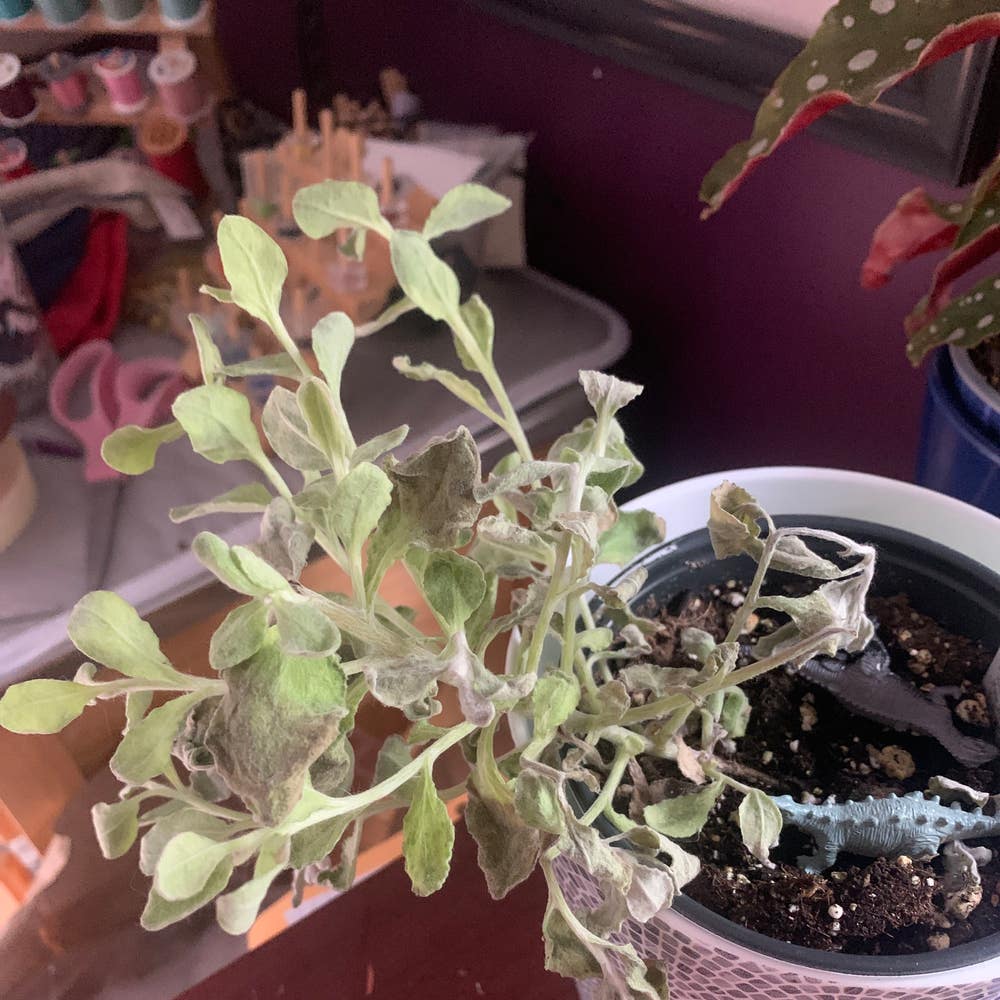
Transplant shock can be a real hurdle for your curry plant. Symptoms include wilting, yellowing leaves, and stunted growth, signaling that your plant is struggling to adjust.
To prevent this, ensure proper watering and care during the transition. A little extra attention can make a big difference in helping your plant thrive.
Establishment Problems and Solutions 🛠️
Sometimes, your curry plant may face establishment problems. Common issues include poor root establishment and nutrient deficiencies, which can hinder growth.
Regular monitoring is key. Adjust your care routine as needed to address these issues promptly.
Common Pests and Diseases Affecting Curry Plant 🐛
Your curry plant can attract a few unwelcome guests. Watch out for pests like aphids, spider mites, and whiteflies, which can wreak havoc on your plant's health.
Additionally, diseases such as root rot and fungal infections can pose serious threats. Control methods include using organic pesticides and maintaining plant health through proper care.
By staying vigilant and proactive, you can ensure your curry plant flourishes despite these challenges. Next, let’s explore how to keep your plant healthy and thriving in its environment.
⚠️ Safety First
This content is for general information and may contain errors, omissions, or outdated details. It is not medical, veterinary advice, or an endorsement of therapeutic claims.
Always consult a qualified healthcare professional before using any plant as food, medicine, or supplement.
Never eat any plant (or feed one to pets) without confirming its identity with at least two trusted sources.
If you suspect poisoning, call Poison Control (800) 222-1222, the Pet Poison Helpline (800) 213-6680, or your local emergency service immediately.
Spotted an error? Please report it here.
Plant your curry plant with confidence 🌱 by using Greg's tailored care reminders to keep your plant thriving and healthy every step of the way!